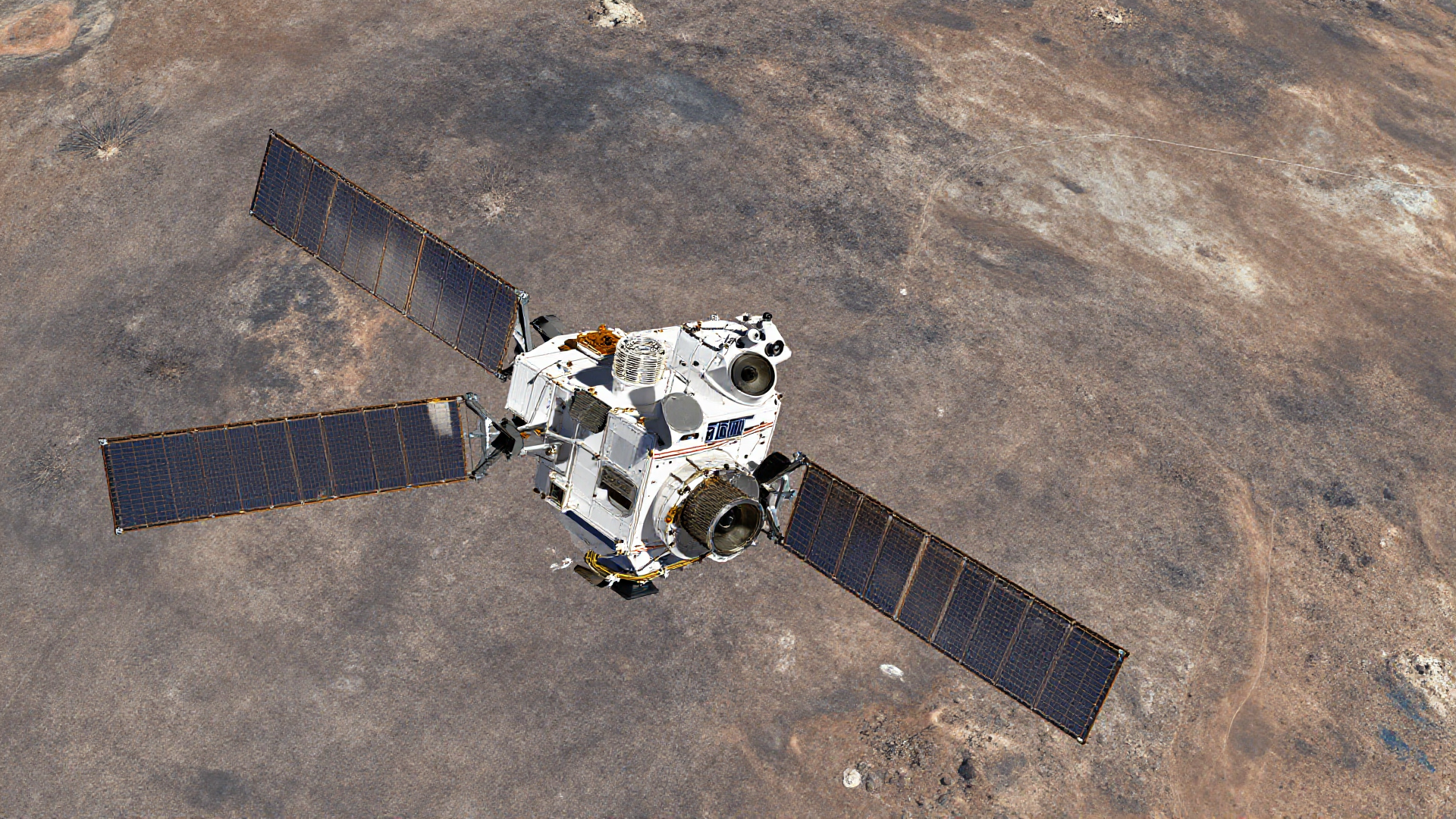
NASA Headquarters is nearing a critical juncture regarding the selection of the agency's next spacecraft destined for Mars, a decision that will shape Martian exploration strategy for the coming decade. The immediate necessity stems from the need for robust communication relay capabilities, especially after the recent operational loss of the MAVEN spacecraft.
This urgency was underscored by Congress, which inserted $700 million into last year's supplemental funding bill specifically for a new Mars Telecommunications Orbiter. According to reports from Ars Technica, this substantial funding package, driven by legislation led by Senator Ted Cruz, mandates that the selected orbiter must originate from US companies that participated in fiscal year 2024 or 2025 commercial design studies for Mars Sample Return.
The specific wording of the legislation appears tailored to favor certain commercial entities that proposed faster, more cost-effective sample return architectures. Observers cited by Ars suggest this language may be designed to benefit Rocket Lab and its proposal for an independently launched telecommunications orbiter.
Furthermore, the mandated $700 million allocation for the spacecraft and its launch has drawn scrutiny from industry experts. One knowledgeable official stated to Ars that $500 million should be more than sufficient for the communications payload, satellite bus, and launch vehicle, implying the budgeted amount may be excessive for the required functions.
NASA must now reconcile the congressional mandate, which specifies both the funding level and the pool of eligible contractors, with standard procurement practices and technical requirements. The agency is reportedly evaluating proposals that meet these strict criteria while ensuring mission longevity and data throughput.
This selection process is more than a simple procurement; it establishes a precedent for how future deep-space infrastructure, particularly for the ambitious Mars Sample Return campaign, will be acquired commercially. The outcome will dictate the pace and cost structure of relay services for years to come.
Ultimately, the imminent choice will define the near-term architecture for Earth-Mars data links, balancing congressional directives aimed at fostering specific commercial partnerships against the technical and fiscal realities of interplanetary missions.