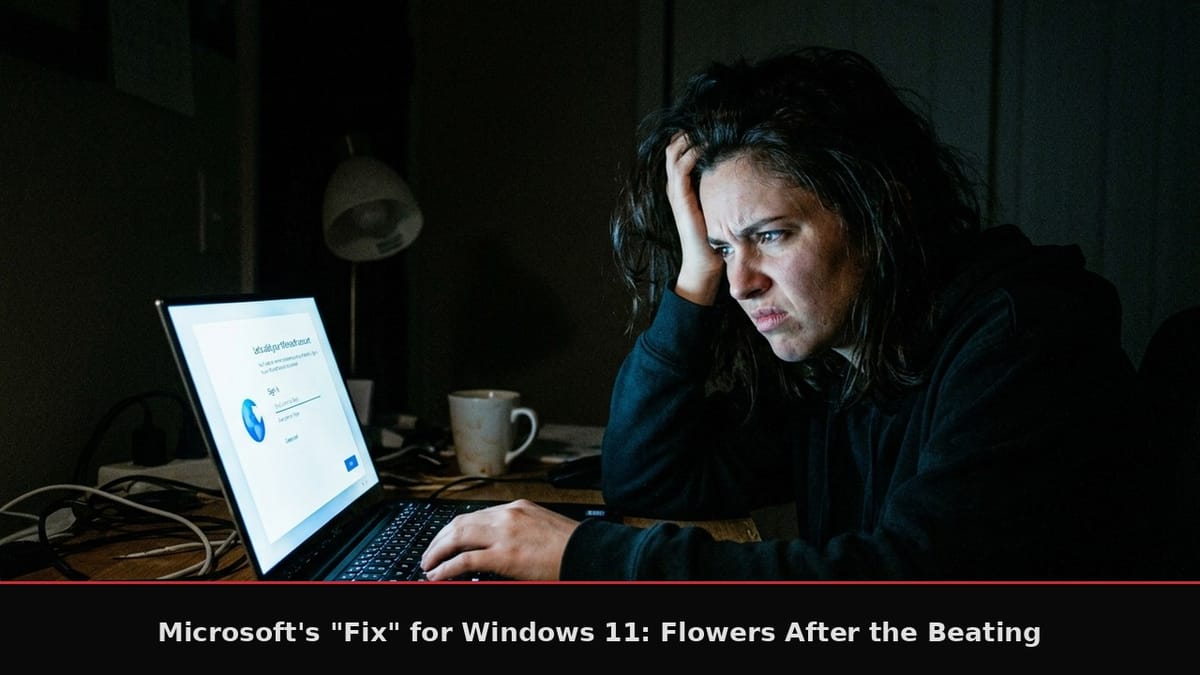
Microsoft has announced a seven-point strategy to address long-standing user complaints regarding Windows 11. Pavan Davuluri, the Windows president, admitted in January 2026 that the operating system had gone off track during its early rollout. This announcement comes after years of criticism regarding forced AI integration and aggressive data collection practices.
The new plan promises to remove Copilot buttons that were injected into system tools like Snipping Tool and File Explorer. These icons appeared in September 2023 and remained unmovable for users across multiple updates. Microsoft stated that engineers would now focus on fixing existing problems rather than adding new features.
Advertising injected into the Start menu and lock screen in April 2024 will reportedly be reduced significantly. Users complained that the operating system they paid for contained promoted content without clear consent. The company claims the update will lower the frequency of these advertisements in future releases.
Privacy concerns remain high regarding the removal of local account creation options by October 2025. Microsoft has systematically eliminated workarounds that allowed users to bypass cloud identity requirements. This change ties user identity to the cloud from the first boot of the device.
OneDrive auto-sync features moved files to the cloud without explicit consent during setup in 2024. When storage limits were reached, some users reported their local files disappeared from their machines. This behavior has not been included in the current seven-point repair plan.
The Recall feature generated significant security backlash after researchers found data stored in plaintext. Screenshots of user activity were saved in an unencrypted database accessible by malware. Microsoft delayed the feature and added encryption after regulatory pressure from the UK.
Hardware requirements for Windows 11 rendered roughly 20 percent of all PCs obsolete by October 2025. Microsoft now charges consumers $30 per year to continue receiving security patches for Windows 10. Enterprise customers face higher costs that double annually for extended support.
Edge browser usage remains low despite dark patterns that trap users within the Microsoft ecosystem. An independent report documented confirmshaming tactics and disguised ads injected into search results. The browser holds just 5.35 percent of the global market share despite these efforts.
Antitrust history includes €2.2 billion in fines for breaking browser ballot promises and violating commitments. The European Union fined the company specifically for removing the choice screen for 14 months. These past actions cast doubt on the effectiveness of the new repair commitments.
Industry observers will watch closely to see if the seven-point plan restores consumer trust. The success of these changes depends on consistent implementation over the next 12 months. Future updates will determine if Microsoft can recover from the damage caused by previous decisions.