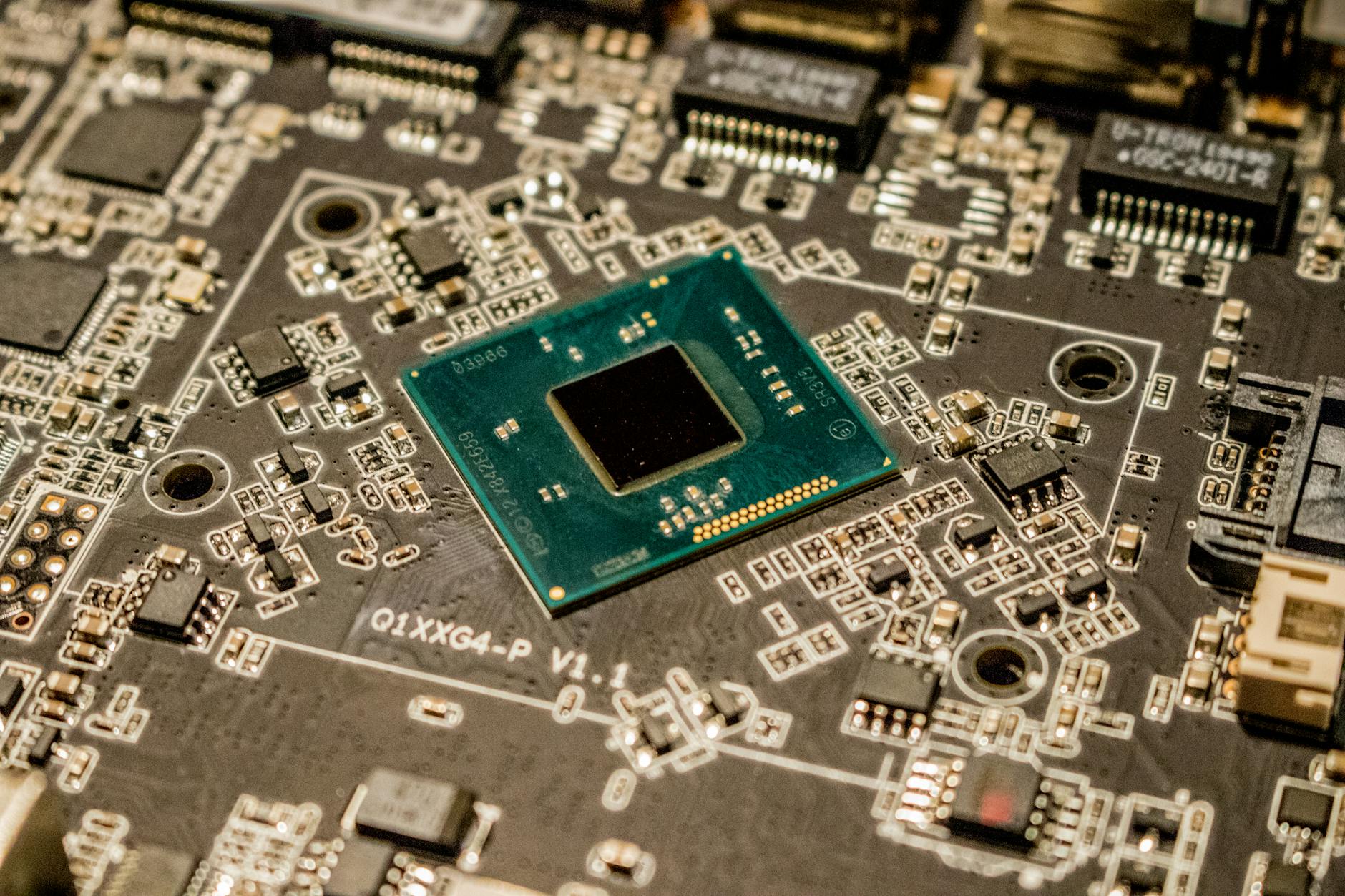
Shares of major memory manufacturers declined sharply last week across global technology markets. Investors initially blamed Google's new TurboQuant technology for reducing demand for physical chips. Market analysts now say the real cause lies within the regional conflict affecting supply chains significantly.
Micron Technology and Western Digital saw significant value losses during the recent trading period. Western Digital fell 8.5 percent on Monday alone after the technology announcement. SanDisk lost seven percent in a single session and shed a fifth of its value in two weeks.
Previous reports indicated the AI boom drove high memory prices and severe production shortages. Microsoft used the RAM panic to address Windows 11 memory issues effectively. Sony suspended orders for compact flash cards due to chip scarcity across the region.
Algorithm Efficiency Concerns
Rumors linked the decline to Google's compression algorithm for vector quantization processes. Researchers describe the tool as optimizing memory overhead in AI workloads significantly. Some concluded lower memory needs mean less production demand for the future hardware.
TrendForce disagrees with the negative outlook regarding long-term hardware requirements. Their report suggests efficient AI drives more application demand across cloud platforms. This creates pressure for structural growth in memory specifications for edge devices.
"TurboQuant can reduce the cost of running inferencing workloads," the firm stated in a report.
Supply Chain Disruptions
The actual supply constraint involves helium availability for semiconductor manufacturing. Helium is a vital component in the production of advanced memory chips globally. Conflict in the Persian Gulf damaged the supply chain for this essential gas.
Production targets may not be met due to material shortages in the coming quarters. Investors fear reduced future sales and manufacturing capabilities for memory makers. This uncertainty drives stock prices down regardless of software optimization news.
AI infrastructure costs remain high despite efficiency gains from new compression tools. Cloud providers continue to hike prices for hardware capacity amid the demand surge. The industry faces complex challenges beyond simple software optimization strategies.
Future memory demand will likely rise with better AI tools and longer context windows. Companies must navigate geopolitical risks alongside technological shifts in the coming year. Investors should monitor helium supply routes as a key indicator for hardware availability.