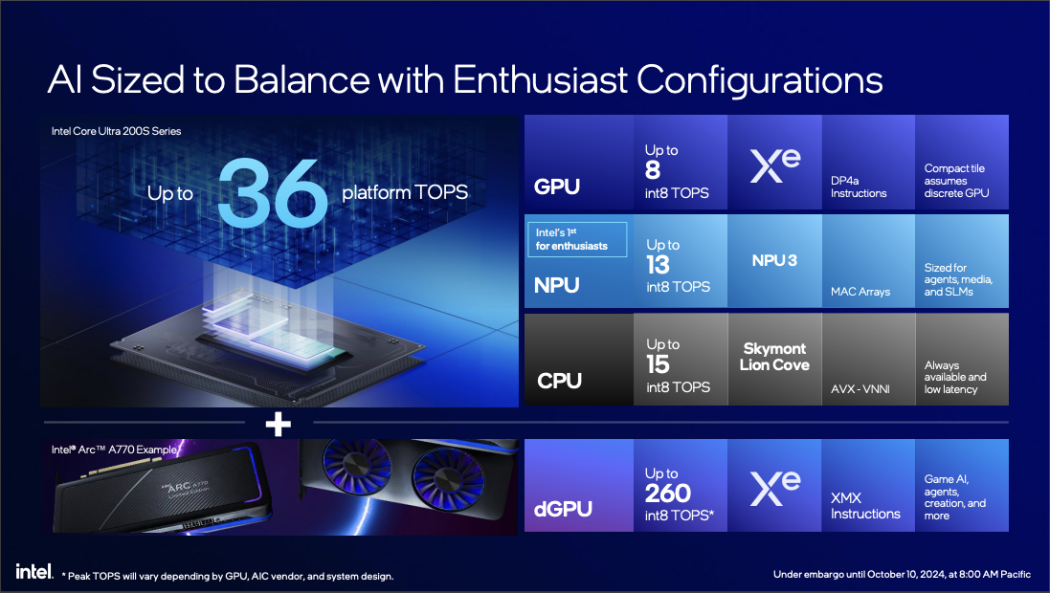
Intel’s recent launch of its Arrow Lake processors goes beyond a simple hardware refresh, signaling a major shift in the chip giant’s consumer market strategy. As competition intensifies, Intel is fundamentally rethinking its approach to product development and market positioning.
A Deep Strategic Pivot
Industry analysts note that Intel’s current moves extend well beyond the iteration of a single product line. The company is shifting its R&D focus away from a raw pursuit of clock speeds toward optimizing power efficiency and deeply integrating heterogeneous computing architectures. This pivot is designed to counter the mounting pressure from Qualcomm, AMD, and Apple’s custom silicon in both the mobile and desktop sectors.
As reported by PC Gamer, Intel is looking to streamline its architecture to boost production efficiency, aiming to lower upgrade costs for consumers without compromising performance. This strategic shift is directly reflected in the strict power consumption requirements of Arrow Lake. An Intel CTO previously stated that future chip designs will prioritize real-world energy efficiency over simply stacking specs to win benchmark tests.
Furthermore, Intel is attempting to solidify its market share through tighter ecosystem collaboration. The company is re-evaluating the synergy between its foundry model and its chip design divisions, hoping to strike a better balance between process technology and architectural innovation. For a company that has long relied on traditional architectures, this transformation requires letting go of past inertia.
Industry experts believe the core of Intel’s strategic adjustment lies in flexibility. By leveraging modular design and more efficient manufacturing processes, Intel aims to build a more competitive pricing structure while maintaining high performance. Whether this move can reverse the company’s passive position in the consumer market will depend on market feedback for future products and the stability of its manufacturing execution.