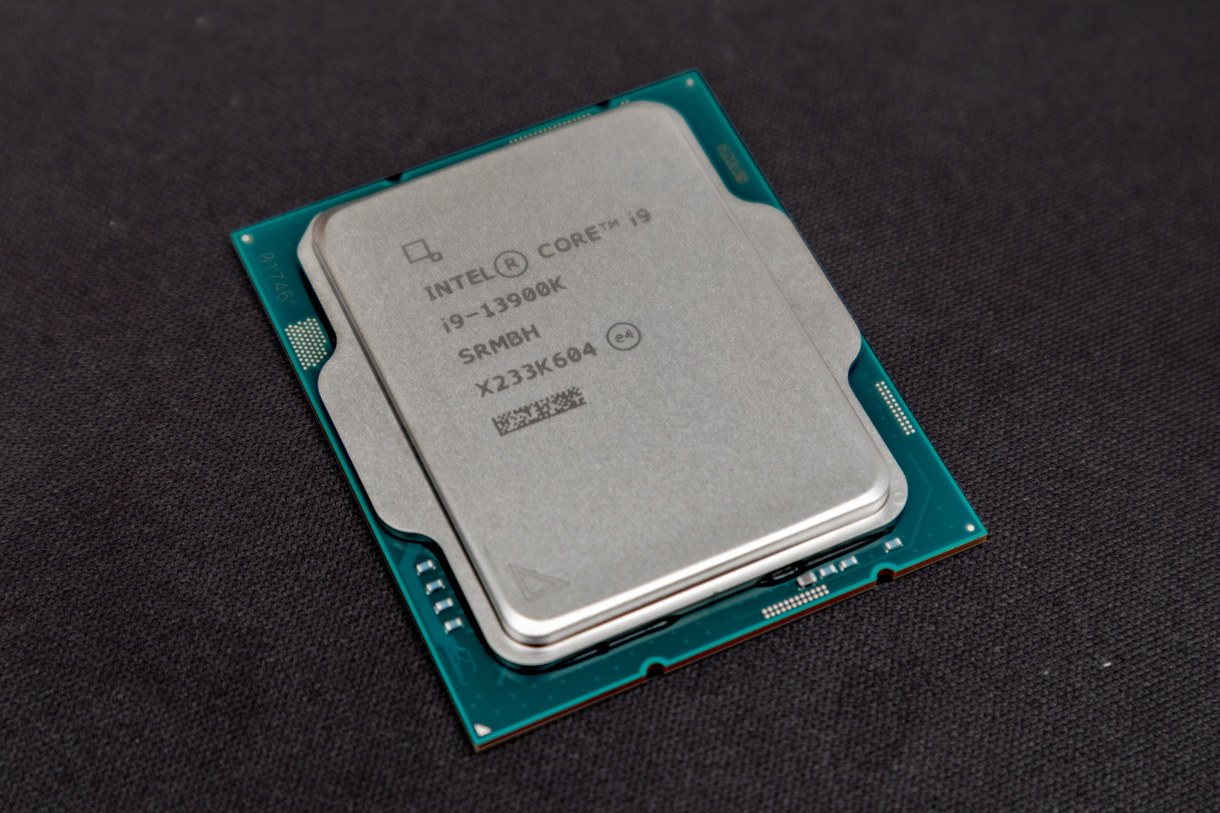
Intel has sent a clear signal to the market: its 13th and 14th Gen Raptor Lake architecture processors will remain a fixture in the market. Addressing concerns that rapid product cycles might lead to the premature discontinuation of older models, Intel has explicitly pledged to maintain a steady supply of these chips to meet the hardware needs of a diverse range of users.
Strengthening the Existing Ecosystem
Beyond maintaining the availability of its processors, Intel has confirmed that it will continue to provide DDR4 memory support for its CPU platforms. For many users who prioritize cost-effectiveness or are still utilizing older motherboards, this decision effectively eases the financial burden of hardware upgrades. While DDR5 memory is gradually becoming the industry standard, DDR4 continues to demonstrate remarkable longevity in budget-conscious markets and specific workstation sectors.
An Intel spokesperson stated, "The company is committed to ensuring that users have more choices when building their systems." By maintaining support for mature technologies, Intel aims to provide enterprise clients and individual PC builders with longer product lifecycles, helping them avoid unnecessary expenses caused by forced technology transitions.
Previously, market speculation suggested that Intel might rapidly scale back production of older chips following the launch of new platforms. However, this latest statement refutes those rumors. Intel emphasized that as long as market demand persists, the production and supply of the Raptor Lake series will not be interrupted.
Analysts point out that this move by Intel is not only intended to reassure existing users but also to fortify its position in the highly competitive mainstream CPU market. By extending the lifespan of its product lines, Intel can more flexibly respond to challenges from competitors while providing users with a smooth transition period for their technology upgrades.