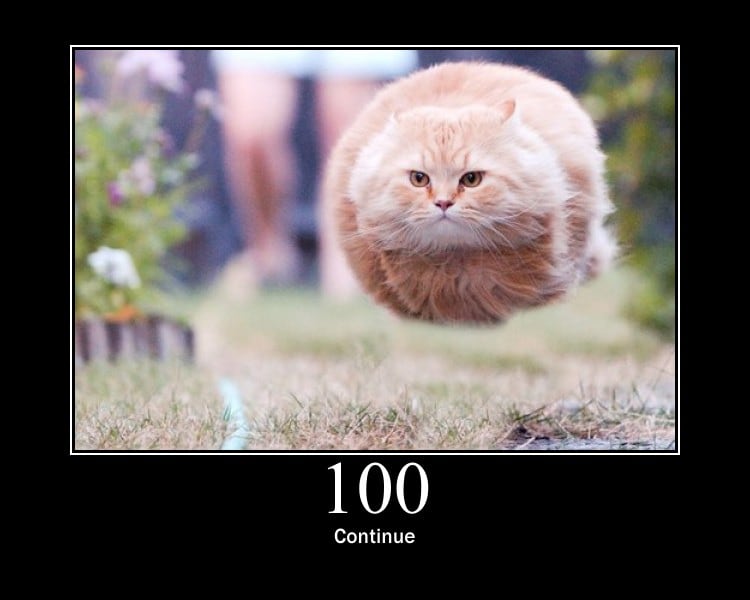
The web utility http.cat offers developers a unique and accessible reference guide for interpreting HTTP status codes through corresponding images of cats. This resource, developed by Rogério Pires, consolidates critical networking information into a visually indexed database accessible via simple URL structures. Users can append any standard status code to the base URL to retrieve the relevant visual confirmation.
For instance, accessing http.cat/200 returns the image associated with the 'OK' status, while a common error like http.cat/404 yields the visual representation for 'Not Found.' The project extends beyond the standard 2xx, 3xx, 4xx, and 5xx ranges, cataloging less frequent codes such as 103 ('Early Hints') and even proprietary non-standard codes like 444 ('No Response').
The implementation allows users to retrieve the images directly or append a .jpg extension for explicit file retrieval, demonstrating a functional approach to documentation. The original imagery used throughout the site was created by Tomomi Imura, lending a distinct aesthetic to the technical content.
This approach addresses a common friction point in backend and frontend integration, where developers frequently need to verify the precise meaning of a server response quickly. By coupling technical data with memorable imagery, the platform enhances recall and reduces the time spent cross-referencing lengthy RFC documents.
Reportedly, the development effort is maintained by Pires, who also provides links to his presence on various social platforms, including GitHub and Bluesky, facilitating community engagement. This open-source nature, visible via the GitHub repository, suggests ongoing maintenance and potential community contributions to expanding the code directory.
While seemingly lighthearted, the project underscores the importance of clarity and accessibility in developer tooling for complex protocols like HTTP. Such resources become indispensable components of the modern development ecosystem, supporting rapid iteration cycles.
The availability of such focused utilities simplifies the immediate task of debugging network communication, proving that even technical documentation benefits from thoughtful user experience design.