The Global System for Mobile Communications Association announced a pilot program on March 3, 2026 to address connectivity issues. Six African nations will test ultracheap 4G smartphones priced at $40 to expand internet access. GSMA aims to connect 960 million residents currently offline due to device costs rather than infrastructure gaps. This initiative targets Congo, Ethiopia, Nigeria, Rwanda, Tanzania, and Uganda for the initial rollout phase across the continent.
Major mobile operators including Airtel and Vodafone joined the initiative alongside manufacturers and global organizations. The World Bank Group and International Telecommunication Union support the effort to bridge the digital divide effectively. Officials state affordable devices could unlock access to education, healthcare, and AI tools for tens of millions. Partnerships aim to create a viable ecosystem for distribution and service support structures.
Industry analysts note the pricing challenge against a global average smartphone cost surpassing $400 currently. A $40 device costs roughly 10% more than a feature phone but requires significant hardware compromises to stay viable. Experts warn that achieving scale demands stripped-down displays, minimal RAM, and older 4G chipsets to keep margins thin. Manufacturers must balance performance expectations with strict budget constraints in this segment globally.
Steven Athwal, founder of The Big Phone Store, explained the tradeoffs to Rest of World recently. He stated hitting the price point requires Android Go-style software and basic cameras with almost no margin. The real difficulty lies in making the device durable and usable at mass scale. Retailers emphasize that low cost often sacrifices longevity and user experience significantly for end users.
History offers cautionary tales from India regarding similar affordability experiments in the past. The 2016 four dollar Freedom 251 smartphone collapsed due to manufacturing failures and misleading marketing. Even Google’s Android One program struggled against superior quality competitors from Chinese brands like Xiaomi. These lessons highlight the risks of prioritizing price over product reliability and ecosystem support systems.
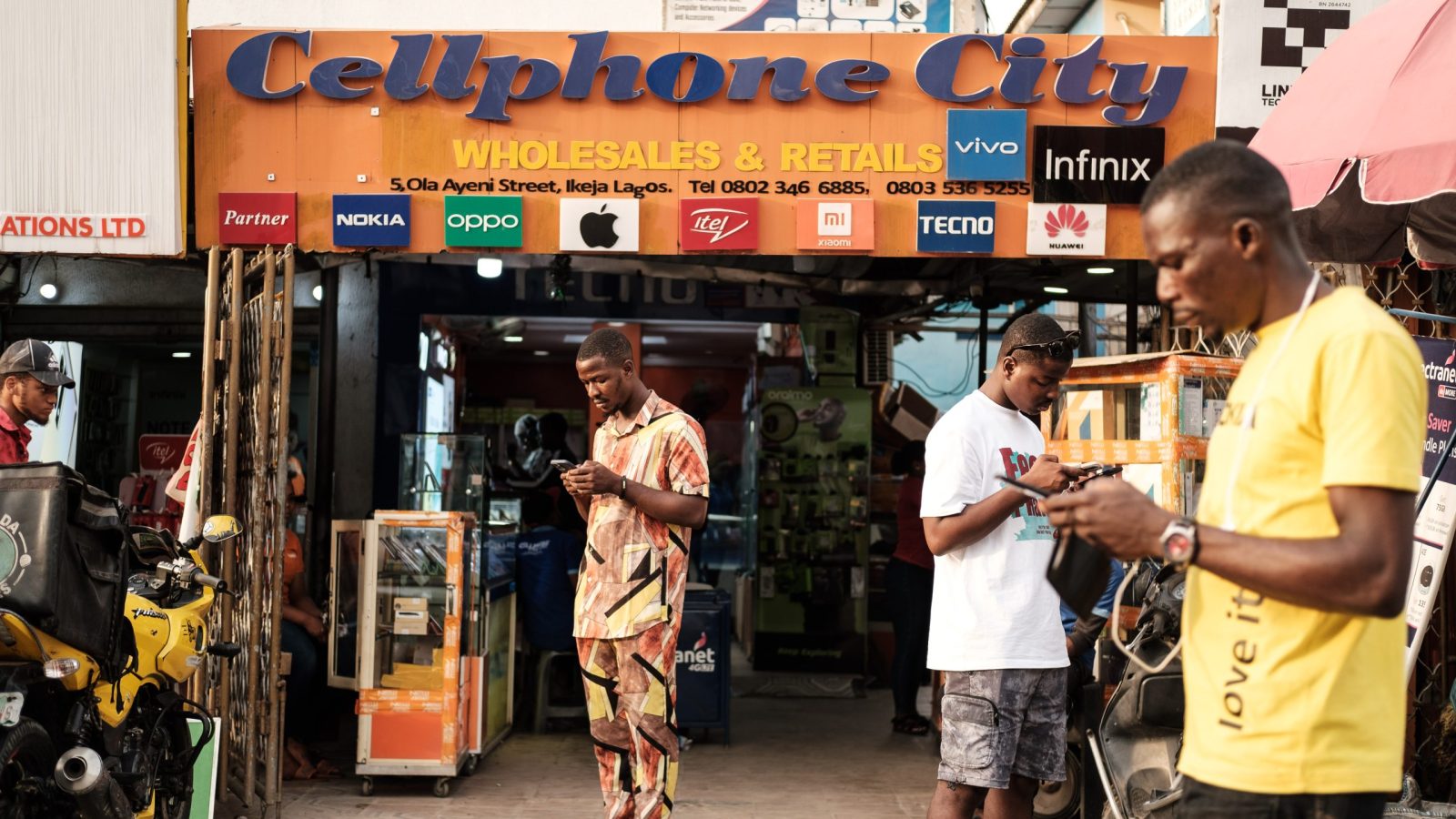
African consumers often prefer secondhand or refurbished phones with higher specifications than new budget models. Ahmad Shehab, a research analyst at Counterpoint, noted that stiff competition drives users toward better value options. Local brands like Itel already sell 4G smartphones under $100 across 17 nations, holding half the market share. Transsion Group controls a significant portion of the region with brands like Infinix and Tecno and other regional brands.
Component costs are rising globally according to a February report by market intelligence firm Trendforce. Memory capacity now accounts for 30% to 40% of a smartphone’s bill of materials compared to 10% a decade ago. This economic pressure makes maintaining the $40 price tag increasingly difficult for manufacturers. Rising raw material expenses threaten the viability of entry-level device production strategies in the current market.
GSMA director Vivek Badrinath emphasized the need for government intervention to remove import duties and taxes. Simplifying customs processes will be critical to achieving the necessary scale for these entry-level devices. Local assembly support could also help reduce final consumer pricing in target regions. Policy changes remain a key factor in determining the success of the initiative effectively.
Faisal Kawoosa, chief analyst at TechArc, highlighted the importance of service models alongside device affordability. He noted that even if a phone is subsidized, customers still need funds to pay for connectivity services. Regulatory hiccups regarding Universal Services Obligation Funds often limit direct device subsidies. Finding an appropriate service model is essential for long-term adoption among low-income users in the region.
Success depends on balancing hardware costs with sustainable service access and policy support. The pilot results will determine if the $40 concept can work beyond initial announcements. Stakeholders must monitor market adoption closely throughout 2026 to assess actual impact. Future developments will reveal whether this approach can replicate earlier smartphone popularity successes in emerging markets over time.