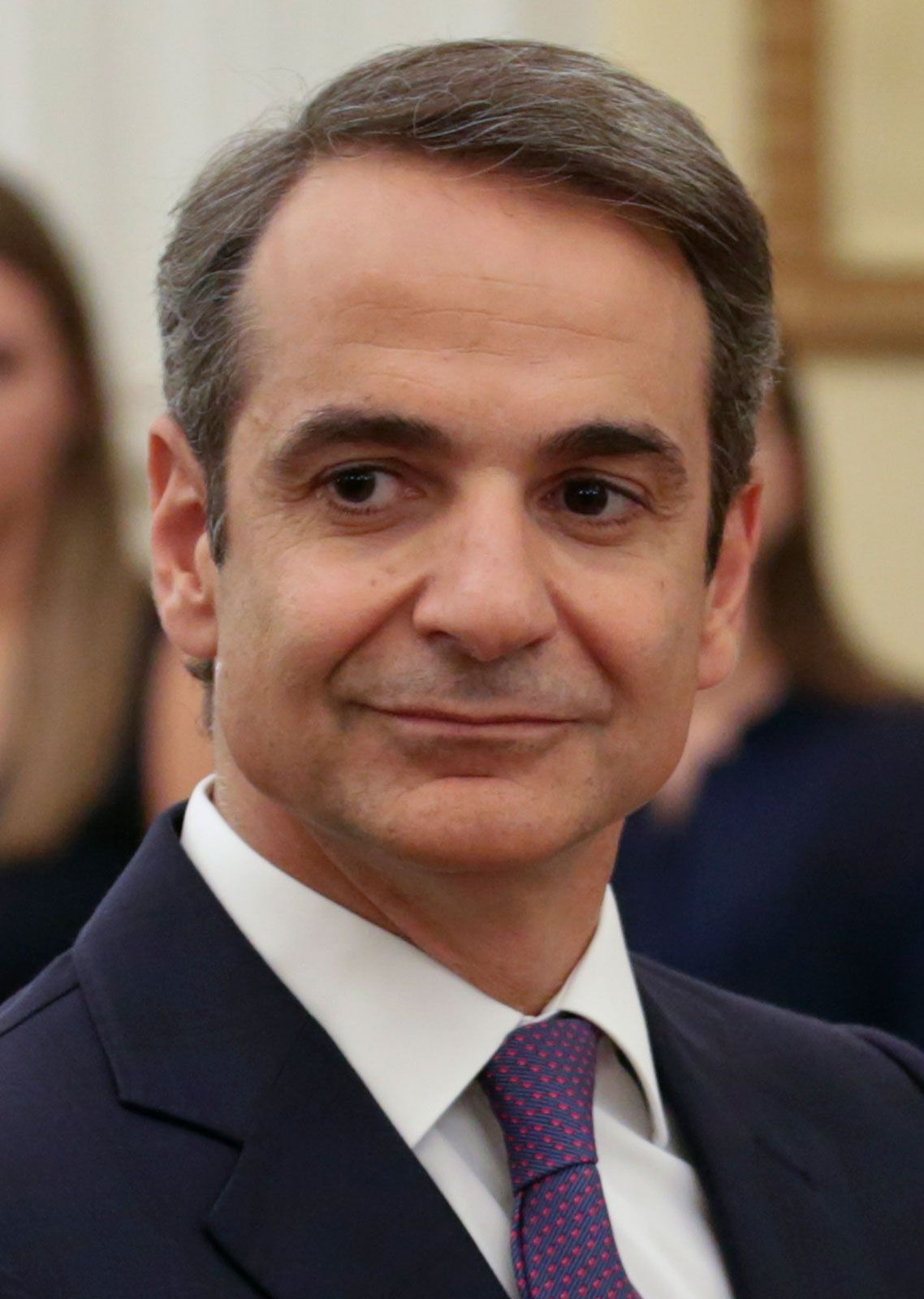
The Greek government has officially announced a nationwide ban on social media use for minors under the age of 15, set to take effect on January 1, 2025. In a TikTok video addressed to young people, Prime Minister Kyriakos Mitsotakis stated that while the decision is difficult to implement, it is essential for protecting the physical and mental well-being of the youth.
Mitsotakis emphasized that the government is not trying to isolate teenagers from technology, but rather to address the severe negative consequences of excessive screen time. "The scientific evidence is clear: when children spend long periods staring at screens, their brains are unable to rest," he said. He cited rising rates of adolescent anxiety, declining sleep quality, and the addictive design of social media platforms as the primary justifications for the policy.
Targeted Restrictions and International Coordination
The restrictions are expected to cover major social media platforms, including Facebook, Instagram, TikTok, and Snapchat. With the Greek parliament currently controlled by Mitsotakis’s center-right New Democracy party, the legislation is expected to pass this summer. This move makes Greece one of the first countries in Europe to legislate restrictions on social media use for minors.
The Greek government has already implemented a ban on mobile phones in schools and established parental control platforms. Mitsotakis has written to European Commission President Ursula von der Leyen, calling for the EU to develop standardized online age-verification tools by 2027. He noted that individual national efforts are insufficient and that a unified European framework is necessary to strengthen protections for minors.
Feedback from frontline educators has reinforced the government’s concerns. Dimitris Panagiotopoulos, a retired primary school principal, told The Guardian that in his 40-year career, he has witnessed the toll screens take on children, noting that many students appear listless in class due to severe sleep deprivation.
Public support for the policy remains high. A survey by the Greek polling firm ALCO shows strong local demand for measures to combat social media addiction. A recent YouGov poll across six European countries also indicates that more than half of the population in France, Germany, Italy, Spain, and the UK supports banning social media for those under 16.
Despite high levels of public approval, there is skepticism regarding the policy's practical effectiveness. In the UK, 54% of respondents believe such a ban would be "ineffective" or "completely useless." Currently, countries including France, Australia, Spain, Malaysia, Denmark, and Poland are also advancing or considering similar restrictions on social media for minors.