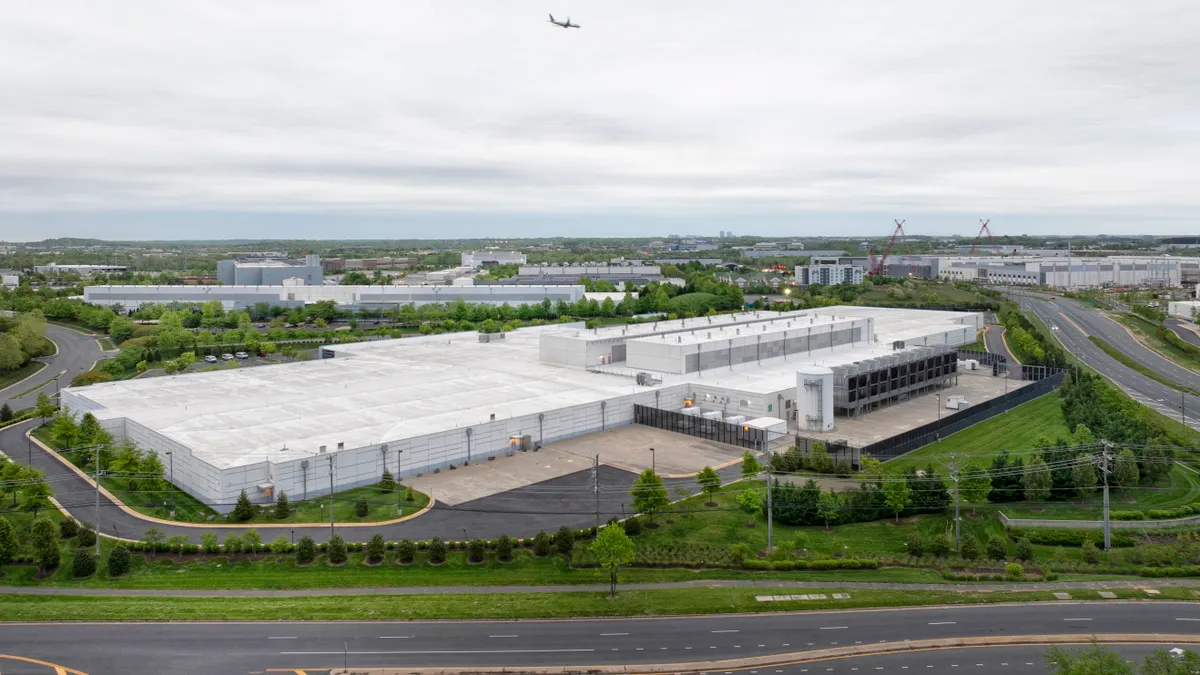
Axel Rietschin, a former engineer who spent nine years at Microsoft, has published a scathing critique of the development history of the Azure cloud platform. Rietschin served as a Windows kernel engineer for eight years before moving to the Azure core compute team for a final year. He contends that the technical challenges currently facing Azure are rooted in Microsoft’s 2008 decision to rush the platform to market in a desperate bid to catch up with Amazon’s AWS.
Systemic Fragility Born of Hasty Expansion
In a series of articles, Rietschin argues that Azure has never been the stable, self-contained system the company claims it to be. He describes Azure as a "complex system permanently on life support." This underlying fragility, he suggests, is the result of early strategic missteps and blind optimism regarding growth, which led to a cycle of minor failures that eventually compounded into deep-seated, systemic issues.
Beyond architectural concerns, Rietschin highlights how the erosion of talent has severely compromised product quality. He points to a lack of rigorous oversight regarding software quality and testing over the past several years, compounded by a significant dilution of institutional knowledge. He believes that Microsoft’s mid-2025 layoff of approximately 15,000 employees has further gutted the foundation of its technical teams.
This lack of confidence is already manifesting within the industry. Rietschin notes that OpenAI’s decision to sign an $11.9 billion computing resource deal with CoreWeave in March 2025 serves as a de facto "vote of no confidence" in Azure’s capacity. He speculates that Microsoft has struggled to keep pace with OpenAI’s massive, high-intensity computational demands.
Addressing the current impasse in an email to The Register, Rietschin suggests that Microsoft executives should focus on recruiting veteran technical leaders and strengthening developer training across all levels. He maintains that investing in human capital—specifically through mentorship and guidance from long-tenured engineers—is the only way to resolve these issues. He emphasizes that the accumulation of technical debt is directly tied to the loss of talent, noting that relying solely on artificial intelligence cannot compensate for the lack of core human expertise.