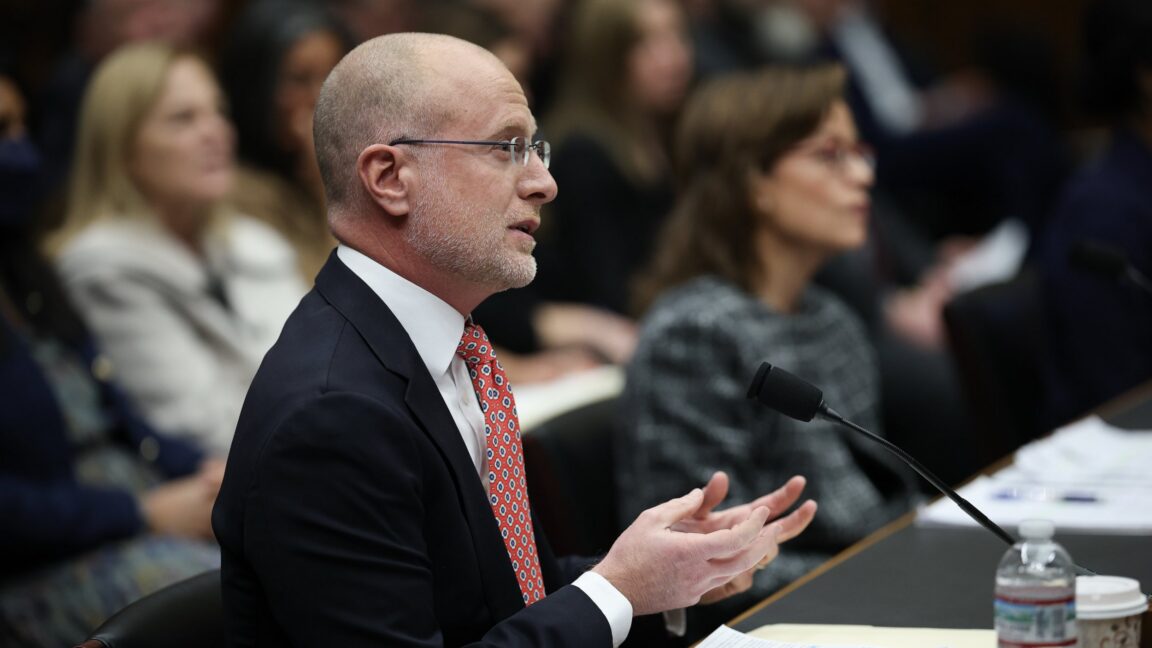
The Federal Communications Commission (FCC) is moving to implement stricter eligibility verification for the nearly $1 billion annual Lifeline program, according to an announcement this week. FCC Chairman Brendan Carr stated the commission will vote next month on rules designed to prevent federal subsidies for phone and Internet services from reaching ineligible recipients, specifically citing deceased individuals.
Carr’s proposal stems from what he describes as extensive waste, fraud, and abuse within the program, particularly in states that manage their own verification processes. A recent Inspector General advisory reportedly showed providers received almost $5 million to service over 116,000 dead people across three opt-out states, with California accounting for more than 80% of those instances.
The proposed Notice of Proposed Rulemaking (NPRM) seeks to centralize and harden verification standards nationwide. Key changes include requiring applicants to submit full Social Security numbers and mandating the use of the Citizenship and Immigration Services’ Systematic Alien Verification for Entitlements (SAVE) program for eligibility confirmation.
California officials contest the severity of the FCC’s allegations, attributing the discrepancies to administrative lag time between a death notification and the subsequent closure of an account, rather than systemic fraud. However, the FCC previously revoked California's opt-out status in November due to non-compliance with existing program rules.
The proposed federal tightening would prevent states from utilizing their own verification methodologies, effectively overriding local processes. Lifeline currently provides eligible low-income households with subsidies ranging from $9.25 to $34.25 monthly for telecommunications services.
Conversely, the sole Democratic commissioner on the FCC has voiced opposition to Carr’s plan. This commissioner argues that the proposed eligibility standards are unnecessarily punitive and could inadvertently raise costs for many citizens who remain lawfully qualified for assistance.
This regulatory clash highlights the ongoing tension between federal oversight and state autonomy in administering federal assistance programs. The outcome of the upcoming vote will significantly redefine how eligibility is confirmed for millions of Americans relying on these essential connectivity subsidies.
As the FCC moves toward a formal vote, the public comment period initiated by the NPRM will allow stakeholders to weigh in on the balance between preventing fraud and ensuring access for eligible low-income populations.