EasySMX has officially entered the competitive gaming peripheral market with the launch of the D10 controller, introducing tunnel magnetoresistance technology at a sub-fifty dollar price point. The device aims to compete directly with established budget options by bundling premium features previously reserved for high-end models in the industry. Industry observers note this aggressive move signals a continued democratization of advanced input hardware for consumers globally.
The D10 utilizes tunnel magnetoresistance thumbsticks and Hall effect triggers, which are technologies designed to eliminate stick drift and improve precision significantly. Users receive a one thousand Hz polling rate over a 2.4 GHz wireless connection alongside Bluetooth support for broader device compatibility with multiple platforms. This combination ensures that the controller remains responsive during fast-paced gaming sessions without the lag associated with older wireless protocols.
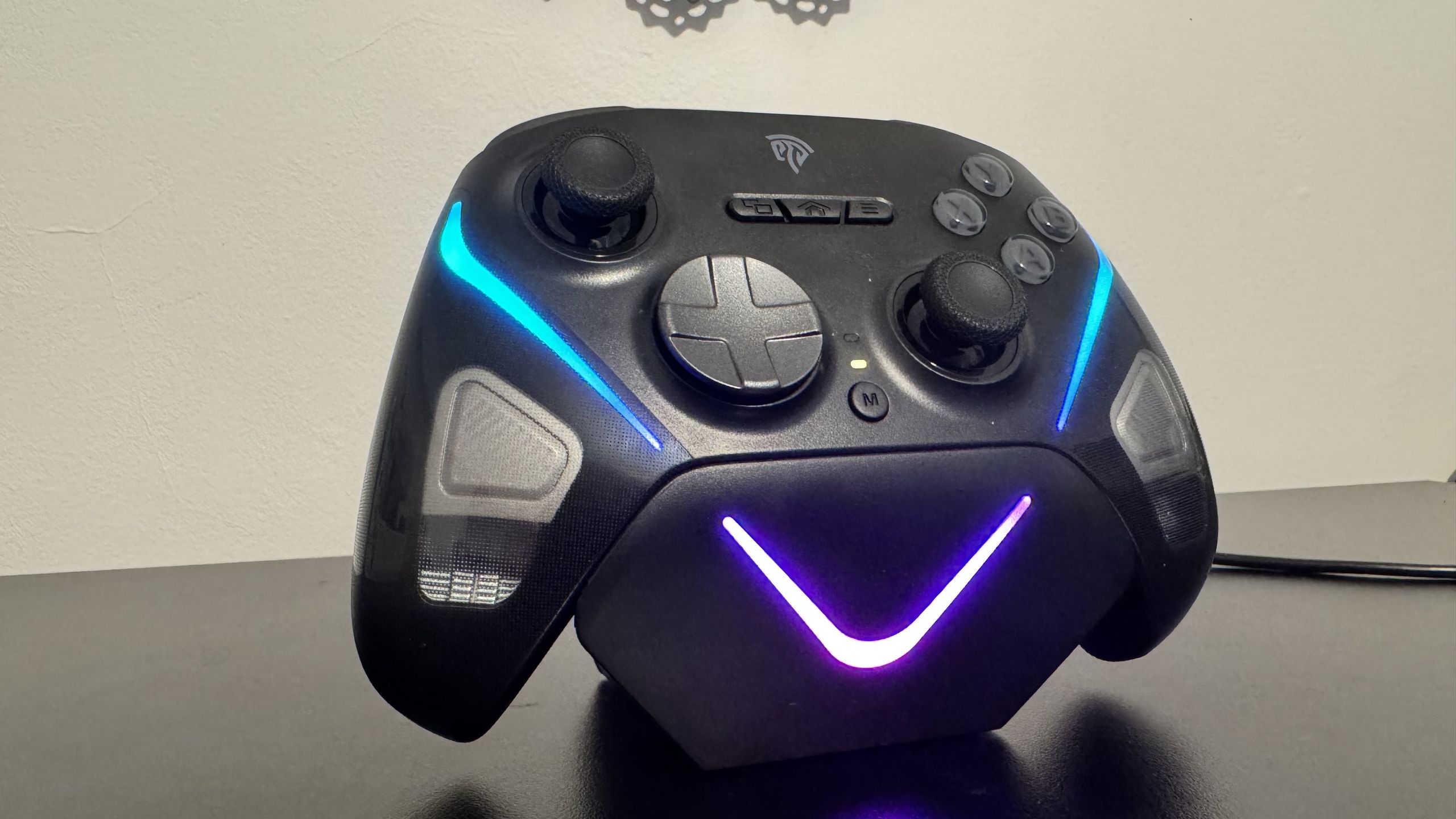
A unique charging dock serves as both a storage solution and a dedicated USB Type-C port for simultaneous charging and connectivity without extra cables. This design choice simplifies the desk setup for users who frequently switch between wired and wireless modes during extended play. It allows owners to keep their controller charged and ready for action without searching for additional power bricks or dongles.
While the manufacturer lists the official price at sixty dollars, current retail listings on platforms like Amazon often drop the cost to approximately forty dollars during promotional periods. This pricing strategy undercuts the GameSir G7 Pro by twenty dollars, which represents roughly 25% less cost for similar high-end specifications. Analysts suggest this aggressive pricing puts significant pressure on competitors in the mid-range segment to adjust their own margins.
Reviewers describe the build as comfortable and well-balanced, though somewhat less refined than the Microsoft Xbox Series X controller in terms of overall tactile feel. The textured grips sit securely in the palm, allowing for long gaming sessions without significant fatigue or hand cramping issues. However, the aesthetic leans heavily toward a gamer-centric design with RGB lighting that some users may find excessive or cheap looking.
The connected D-pad presents specific challenges for platformers, as the arrow buttons link together rather than operating independently for precise directional inputs. Triggers offer a switchable mode between linear Hall effect and traditional micro-switches for different game genres and player preferences. This versatility allows users to tailor the response curve for racing games or shooters without needing external firmware modifications.
A significant drawback remains the lack of proprietary configuration software, forcing users to rely on manual button shortcuts for all customization needs. The absence of an app means users must memorize specific button combinations to adjust lighting, rumble intensity, and button remapping functions manually. While this does not break the device, it limits the flexibility for gamers who require complex macro setups for competitive play.
This release follows a trend where tunnel magnetoresistance sensors appear in keyboards and controllers at increasingly lower price points over the last few years. Previously, such durability and accuracy were exclusive to peripherals costing well over one hundred dollars at retail stores. The shift indicates that component costs are falling faster than anticipated across the peripheral sector and supply chains.
As the market stabilizes, the D10 stands as a strong contender for users prioritizing drift-free performance on a limited budget for their setup. Future updates to driver software could further enhance the user experience beyond the current manual configuration limits imposed by the manufacturer. Consumers should monitor price fluctuations to maximize savings on this hardware before committing to a purchase.