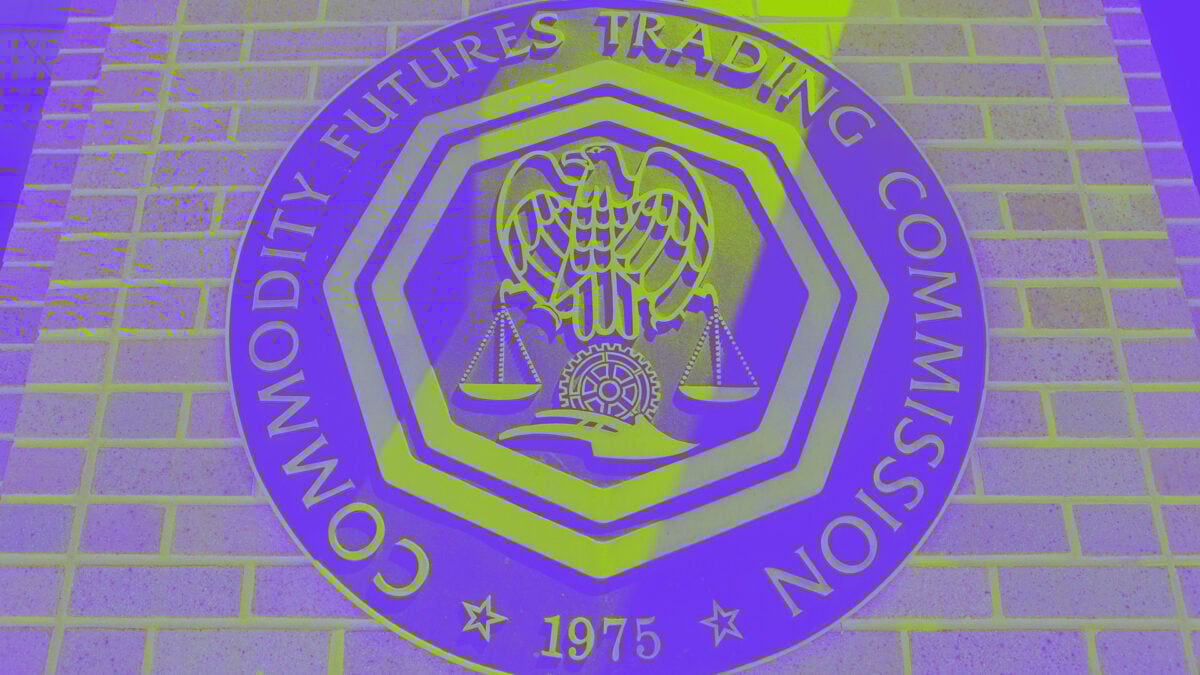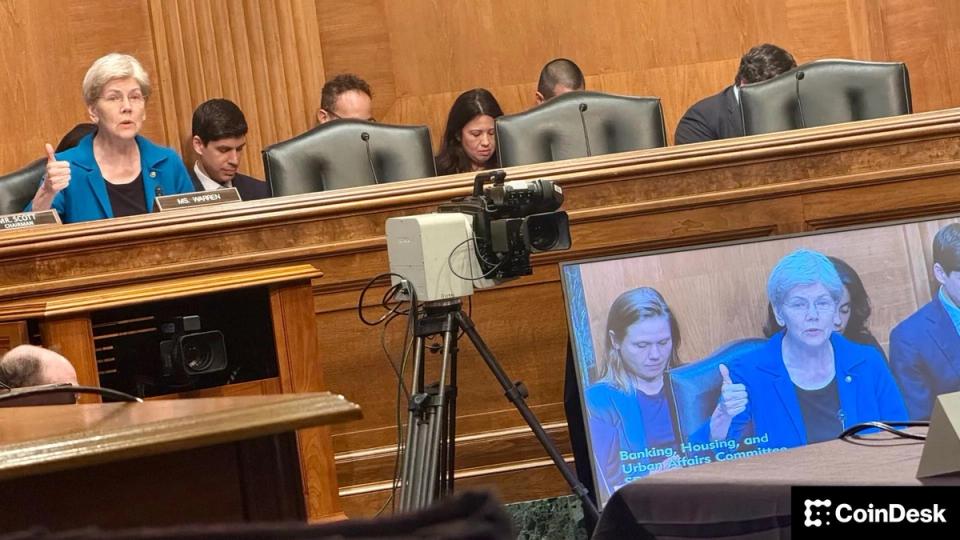
Dozens of Democratic lawmakers sent a letter to federal regulators on March 29 regarding insider trading concerns on prediction markets. This coalition spans both the House of Representatives and the Senate, uniting members from various committees. They specifically targeted the Commodity Futures Trading Commission and the Office of Government Ethics for their attention. The group aims to prevent unauthorized trading that could compromise national security or governmental integrity.
The letter was signed by key figures such as Senator Elizabeth Warren and Representative Maxine Waters among many others. These leaders chair or hold significant positions on committees that oversee financial regulations and agricultural policy. Their involvement signals a bipartisan effort to address potential corruption within the federal workforce. The request comes amid growing scrutiny over how digital assets interact with government operations.
Regulatory Concerns
Lawmakers argue that federal employees must refrain from using non-public information gained during their tenure to profit from derivatives contracts. This restriction applies specifically to contracts traded on platforms that function similarly to traditional financial markets. The concern is that insiders could leverage their positions to gain an unfair advantage over retail traders. Such actions undermine the fairness expected in regulated financial environments.
Recent suspicious betting activity on military actions in Venezuela and Iran triggered the inquiry into potential market manipulation. Analysts noted unusual trading volumes immediately preceding major geopolitical announcements. These patterns raised questions about whether leaked information fueled the speculative bets. The letter specifically cites contracts regarding the length of press secretary speeches as another red flag.
Legal Framework
Current U.S. derivatives laws already prohibit government officials from engaging in insider trading based on their job access. This legal framework was designed to protect the integrity of public resources and confidential data. Officials face severe penalties if they utilize non-public information for personal financial gain. The existing statutes do not distinguish between traditional stocks and prediction market contracts.
The Commodity Futures Trading Commission has previously declared contracts on firms like Polymarket and Kalshi to be regulated derivatives. This classification subjects these platforms to the same compliance standards as futures exchanges. Regulators are currently working on a new set of policies to govern these specific digital assets. The designation ensures that the ban on insider trading remains enforceable across all platforms.
"We ask that the CFTC and OGE issue guidance reminding federal employees of their existing legal obligation to refrain from using their insider governmental information to profit from prediction market trades", the letter stated.
This direct quote emphasizes the urgency of reminding public servants about their legal duties. The letter was dated March 29 and sent to the leadership of both regulatory bodies. It serves as a formal notification of the concerns raised by the legislative branch.
Prosecutors reportedly spoke to prediction market firms about whether certain instances could trigger insider-trading cases this week. This legal escalation suggests that enforcement actions may follow the issuance of the new guidance soon. Federal authorities are investigating the source of information that allowed traders to predict outcomes accurately. The involvement of prosecutors indicates a serious look at potential criminal activity within the sector.
This development occurs as Congress works on the Digital Asset Market Clarity Act to establish a clearer regulatory framework for the industry. The legislation aims to resolve the ambiguity surrounding digital asset classification and trading rules for all participants. Predictions markets often operate in a gray area that complicates enforcement efforts for regulators today. Clear definitions are necessary to prevent future legal challenges regarding market structure and compliance.
Federal ethics officials must now determine how to enforce existing laws regarding private trading activities by public servants. Stakeholders will watch closely for the regulatory response to ensure market transparency and maintain public trust in prediction markets. The outcome could set a precedent for how government employees interact with emerging financial technologies globally. Continued monitoring of this situation is essential for the integrity of both sectors moving forward.