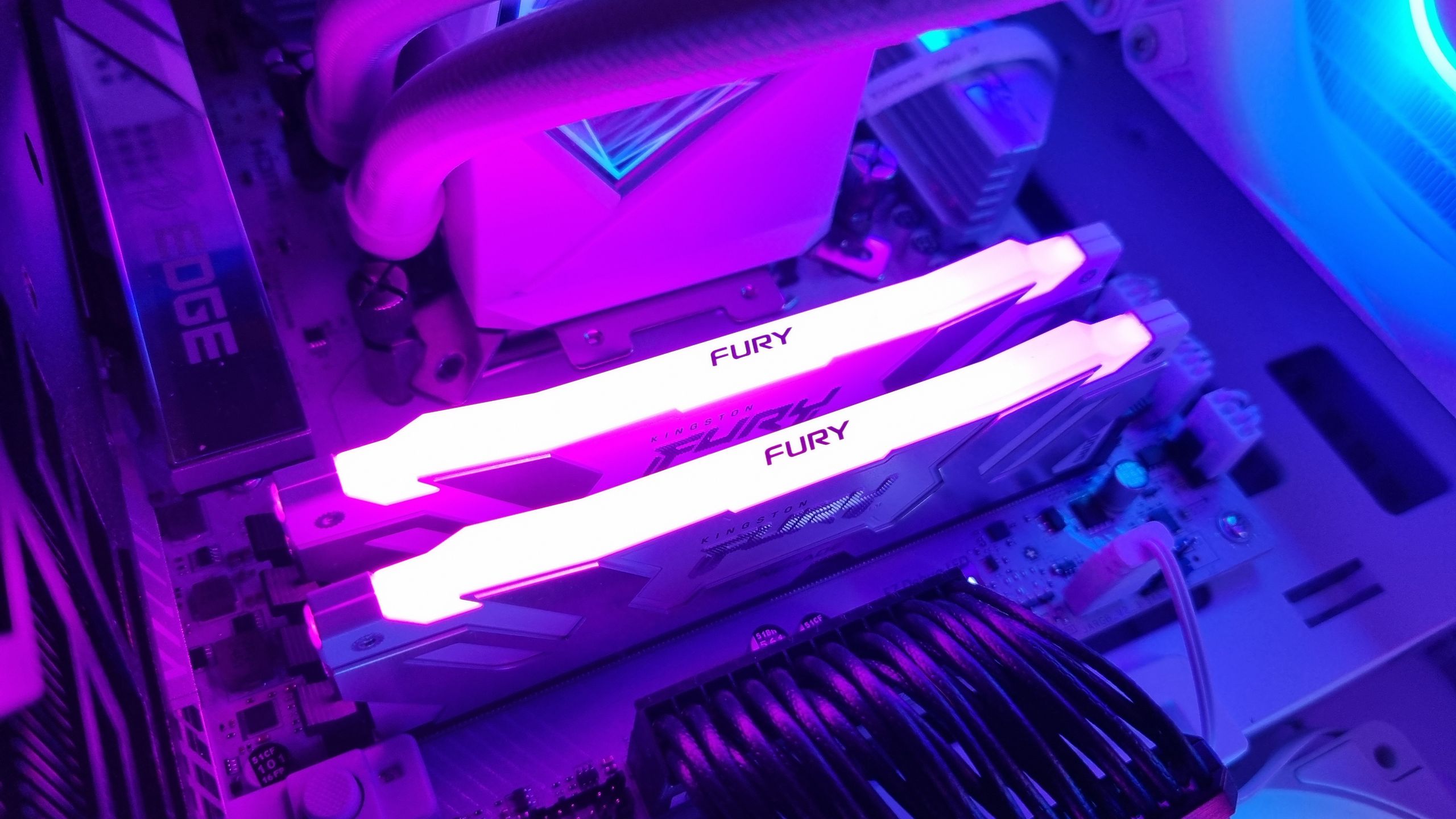
DDR5 random access memory pricing has experienced a minor correction following recent market announcements. PC Gamer reported that while costs have decreased, they remain prohibitively high for average buyers. This analysis suggests consumers should not celebrate the price drops yet. Market forces are still suppressing affordability despite recent technological announcements.
Google introduced TurboQuant, an artificial intelligence compression algorithm designed to reduce memory usage. Reports indicate this announcement coincided with a decline in stock prices for major memory suppliers. Analysts suggest the technology could theoretically lower the demand for physical memory capacity. However, current market reactions reflect broader economic anxieties rather than just software efficiency.
Market Analysis
Detailed tracking reveals significant price volatility on popular memory kits from manufacturers like Corsair. A specific 32 GB DDR5-6000 Vengeance RGB kit cost approximately $90 three years ago. It subsequently surged to over $400 before settling near $370 in early March. This represents a decrease from peak prices, yet the cost remains far above historical norms.
Competitor pricing data indicates a similar trend across the sector. Crucial Pro DDR5-6400 32 GB kits are currently available for $385 on major online retailers. Price history shows these modules hovered in the mid-$350 range before jumping to $400 earlier in the year. These fluctuations suggest instability rather than a consistent downward price correction.
Supply Chain Context
Geopolitical instability continues to influence global supply chains for semiconductor components. Concerns regarding production material supply shortages stem from the ongoing conflict in Iran. These external factors likely contributed to the stock price volatility seen among memory chip suppliers. Market dynamics are driven by more than just artificial intelligence efficiency improvements.
Specific high-performance modules offer modest discounts compared to their peak retail values. G.Skill Trident Z5 32 GB DDR5-6400 kits now list at $500, reflecting a $50 reduction. Team Group T-Create Expert 32 GB DDR5-6000 modules have seen a price cut to $440. While these figures represent savings, they do not constitute a true bargain for budget builders.
The absolute price point remains a significant barrier for most computer enthusiasts and gamers. A 64 GB kit from Crucial Pro still retails for approximately $630 despite recent markdowns. Such costs exceed the typical allocation for memory in standard gaming configurations. Manufacturers continue to prioritize high-margin segments over mass-market accessibility during this period.
Future technology advancements may eventually alleviate the burden of memory costs on consumers. Google's TurboQuant could reduce the physical memory requirements for large artificial intelligence models. However, the impact on consumer-grade hardware pricing will likely take considerable time to materialize. Short-term market conditions remain unfavorable for purchasing new memory modules.
Industry observers recommend delaying purchases until significant price corrections occur. Current discounts do not indicate a return to reasonable pricing levels for DDR5 technology. Builders should monitor market trends before committing funds to their next system upgrades. The expectation for affordable memory requires sustained pressure on manufacturing costs.