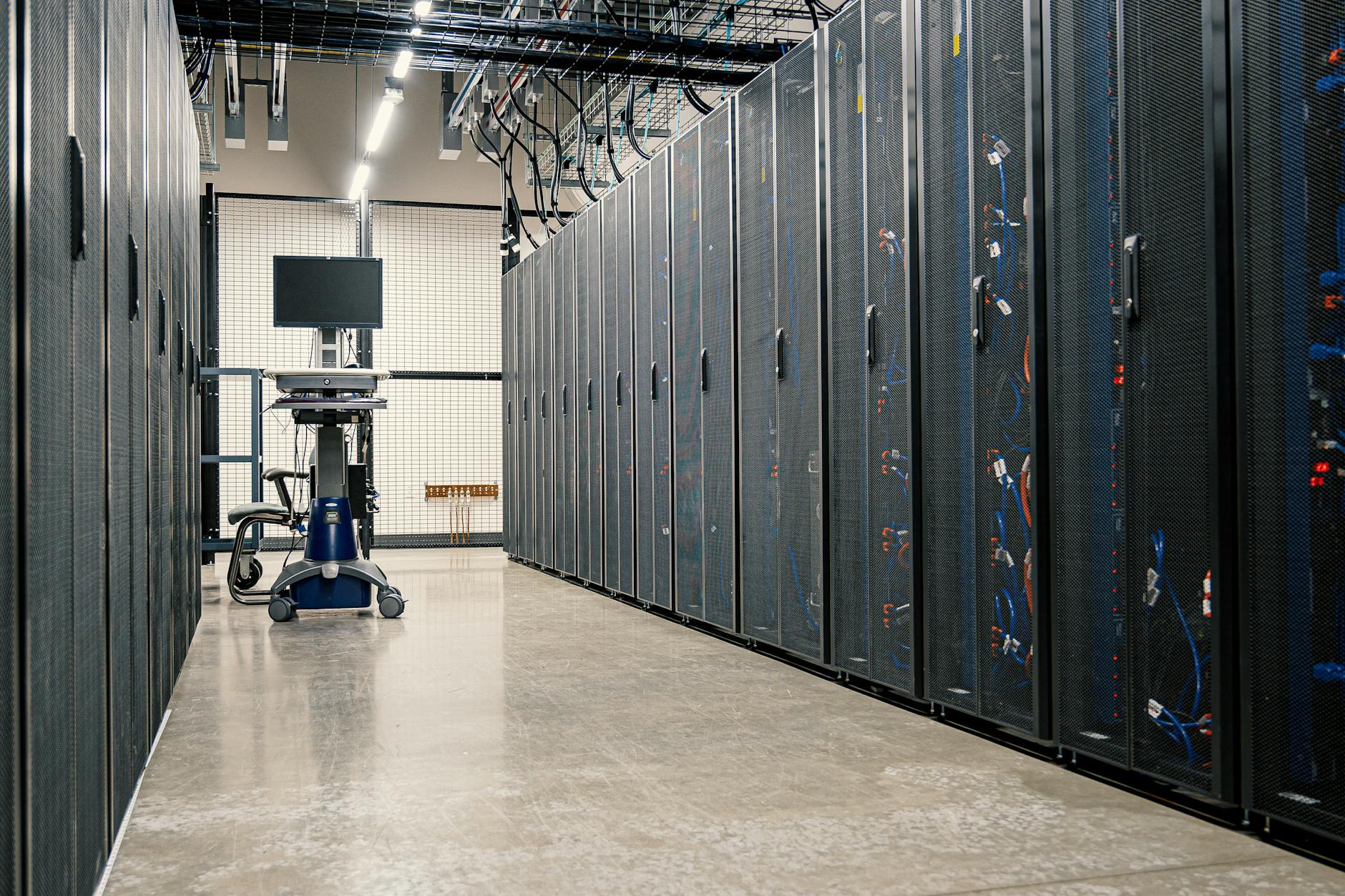
A report recently released by the Texas Comptroller’s office shows that the state expects to forgo $3.2 billion in sales tax revenue over the next two years as a result of tax breaks granted to the data center industry. Driven by the explosive growth of artificial intelligence and the resulting surge in demand for computing power, this tax expenditure has become one of the most costly incentive programs in the state.
State Senator Joan Huffman, chair of the Senate Finance Committee, told The Texas Tribune that these figures are "concerning and unsustainable." She plans to introduce legislation during next January’s session to consider repealing or re-evaluating the exemption policy.
The tax incentive program began over a decade ago. Data shows that between 2014 and 2022, the policy resulted in annual tax losses of only $5 million to $30 million. However, as AI-driven demand for computing power skyrocketed, that figure surpassed $150 million in 2023 and is projected to reach $1.3 billion this year.
Industry Expansion Sparks Fiscal Concerns
Texas is currently home to over 300 operational data centers, with another 142 projects under construction. According to analysis by the data firm Aterio, this construction volume ranks first in the nation, surpassing Virginia, which has 141 projects in development. The Comptroller’s office forecasts that by fiscal year 2030, the annual cost of these tax breaks will climb to nearly $1.8 billion.
Texas’s current tax exemption covers costs associated with the construction and operation of data centers, including servers, cooling systems, generators, and electricity consumption. Under current regulations, data centers exceeding 100,000 square feet must invest $200 million over five years and create at least 20 jobs that pay 120% of the regional median wage to qualify.
Dan Diorio, vice president of the Data Center Coalition, warned that cutting tax incentives could undermine Texas’s status as the premier destination for data centers in the U.S. He argued that such a policy shift would send a negative signal, causing companies to hesitate when considering long-term investments in the state.
However, critics argue that tax breaks are not the only factor driving corporate site selection. Former fiscal analyst Dick Lavine pointed out that Texas’s cheap land and abundant electricity are far more significant draws for data centers. Meanwhile, grassroots opposition is growing in several Texas cities, such as San Marcos and Amarillo, where residents are increasingly pushing back against the construction of these facilities.