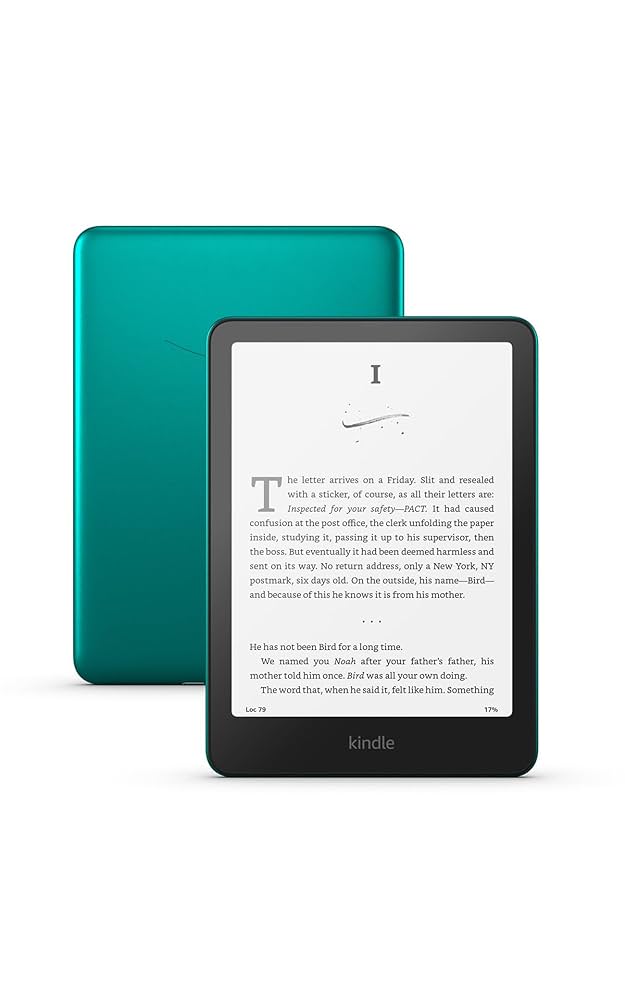
Amazon recently notified users that it will fully terminate support for Kindle e-readers and related tablet devices released in 2012 or earlier. The cutoff date for this change is set for May 20, 2026.
Once the deadline passes, affected users will no longer be able to purchase, borrow, or download e-books directly through their devices. After May 20, these legacy devices will be limited to reading content already downloaded to the local storage. Furthermore, if a user deregisters their device or performs a factory reset after this date, they will be unable to sign back into their account.
List of Affected Devices
The discontinuation covers a range of early Kindle products, including the first and second-generation Kindle, Kindle DX, Kindle DX Graphite, Kindle Keyboard, Kindle 4, Kindle 5, Kindle Touch, and the first-generation Kindle Paperwhite.
In an interview, Amazon spokesperson Jesse Carr stated that these devices have received between 14 and 18 years of support. He noted that due to rapid technological advancements, these older devices can no longer meet modern operational requirements, and the company is offering upgrade promotions for users still relying on them.
Amazon recommends that affected users switch to newer hardware, the Kindle mobile app, or the Kindle web interface to continue accessing their personal libraries. Despite these transition options, many long-term users have expressed frustration. Numerous users on social media and Reddit have pointed out that their older devices are still functioning perfectly and see no reason to replace them.
Some users argue that this is yet another example of a tech giant forcing consumers to upgrade, which not only damages brand loyalty but also contributes to the growing problem of e-waste. This follows a similar move by Google, which ended support for early Nest thermostats in 2025, sparking ongoing industry debates regarding product longevity and sustainability.