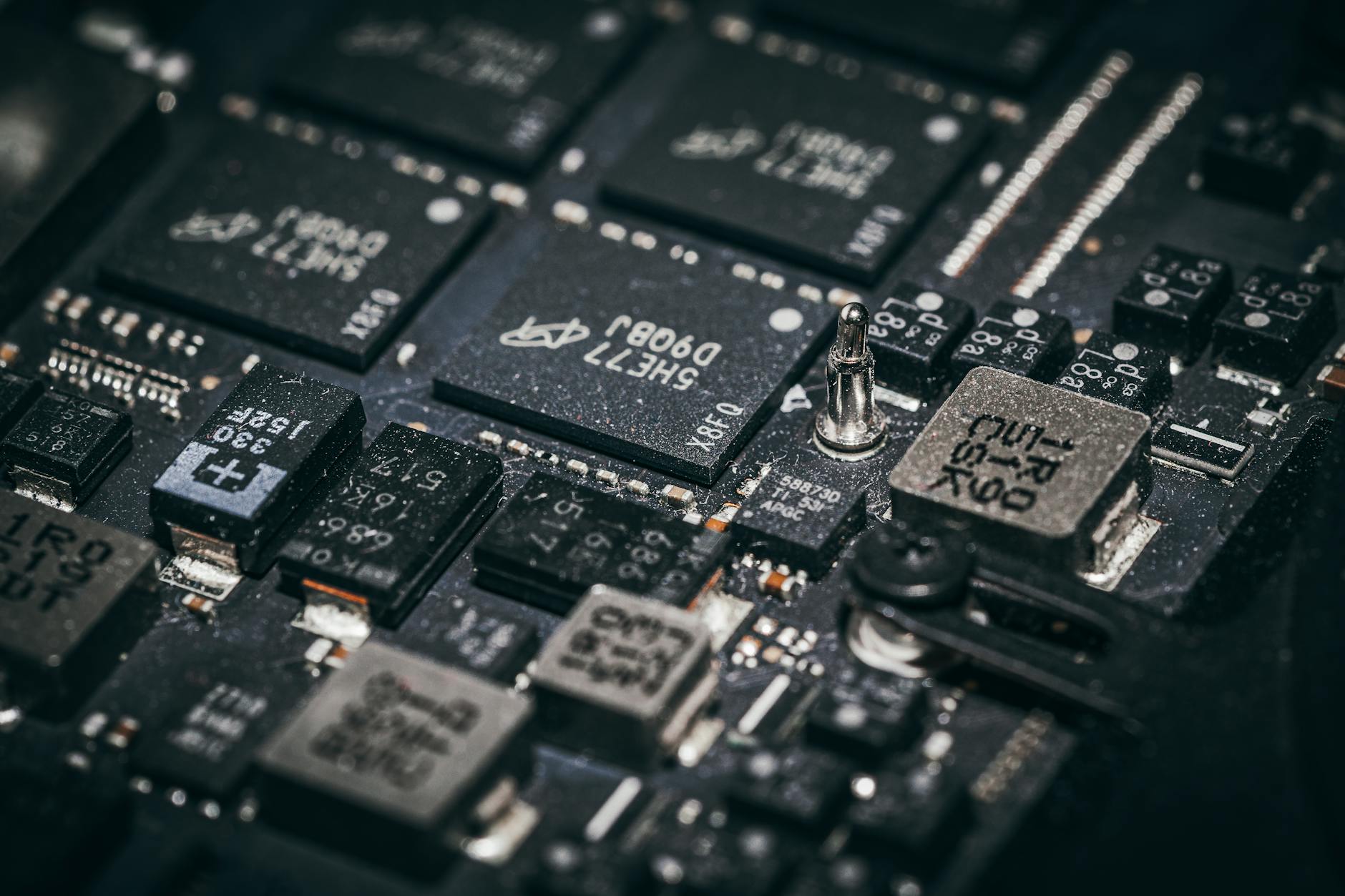
Alibaba Group has revealed its T-Head Semiconductor division shipped 470,000 artificial intelligence chips during the 2026 fiscal year. Chief Executive Officer Yongming Wu acknowledged during the third-quarter earnings call that these components currently lag behind foreign competitors in raw performance metrics. The company plans to compensate for these raw performance deficits by optimizing its entire cloud infrastructure stack around this homegrown silicon to ensure viability.
Specific models include the Pingtouge Zhenwu 810E, which debuted in January and targets efficiency comparable to Nvidia throttled H20 products. While the shipment volume matches a significant pace, the hardware cannot yet compete directly with top-tier accelerators from Nvidia or AMD. Wu admitted the performance gap exists in various respects despite the aggressive production targets set for the division.
To mitigate these limitations, the executive outlined a strategy of deep co-design between the silicon and the Qwen large language model. This integration aims to provide improved cost effectiveness that rivals standalone high-performance hardware sold in the global market. The primary goal remains creating AI capabilities that offer superior value for money within the Chinese market.
Developing proprietary hardware guarantees a supply of AI computing power independent of volatile international trade restrictions. Wu referenced unique circumstances facing the AI industry in China, likely alluding to ongoing US export bans on advanced accelerators. This supply chain security is critical for maintaining service continuity in a constrained geopolitical environment for domestic users.
Financial data from the quarter shows Alibaba Cloud revenue growing 36% year-over-year to reach 6.2 billion US dollars. The company predicts it can achieve 100 billion dollars of annual cloud and AI revenue within five years of the current reporting period. Such growth supports the narrative that domestic hardware adoption is accelerating despite external pressures on the supply chain.
Enterprise token consumption on the model studio platform increased sixfold over the last six months alone according to internal metrics. Wu believes this surge indicates a shift where model-driven agents begin handling mainstream work tasks across industries and sectors. Traditional cloud budgets represent only five% of corporate revenue, suggesting a massive expansion in the total addressable market soon.
Executives also addressed speculation regarding a potential spinout of the T-Head semiconductor unit in the near future. The company does not rule out a future public float but has no definitive timeline for making the transaction happen. This ambiguity allows flexibility in managing the capital requirements for ongoing research and development efforts within the organization.
Overall revenue for the quarter landed at 40.7 billion US dollars, representing a two% growth rate for the conglomerate. Domestic e-commerce and logistics services remain the core business, accounting for almost half of total revenue generated this period. International e-commerce services brought in 5.6 billion dollars, a six% year-over-year increase in the international division.
The slow growth in international e-commerce presents challenges as Beijing looks to export sales to drive economic goals for the nation. Alibaba Cloud stands as the only fast-growing business segment within the conglomerate at this time in the global market. Success depends on the ability to scale infrastructure capacity to satisfy the surging demand for AI services globally.
Investors will monitor whether stack optimization can truly bridge the gap against established global hardware leaders like Nvidia. The strategy relies on software integration to deliver value rather than raw silicon supremacy alone in the current market. Future developments in the sector will likely hinge on the success of these proprietary AI accelerators in real-world deployments.