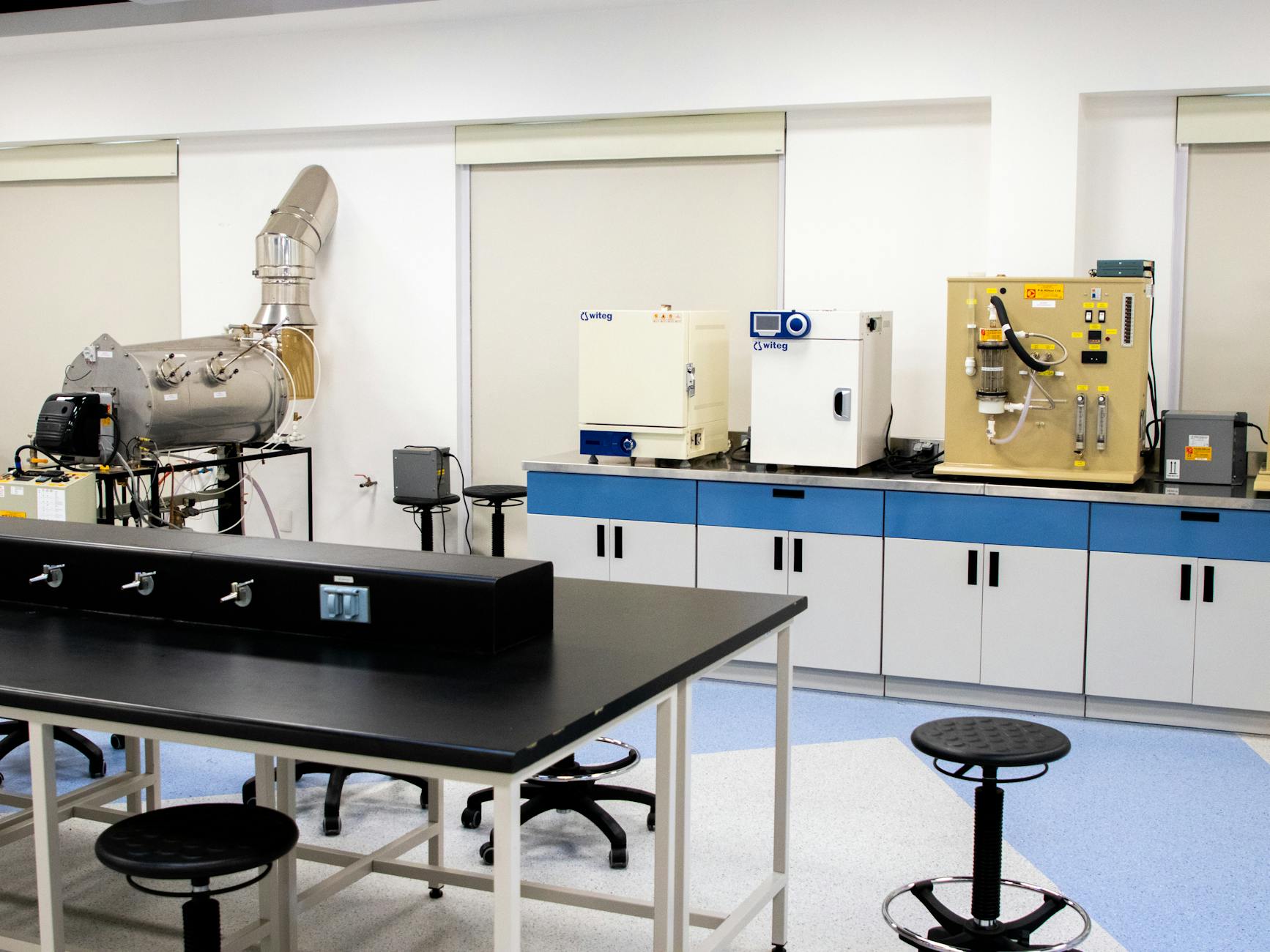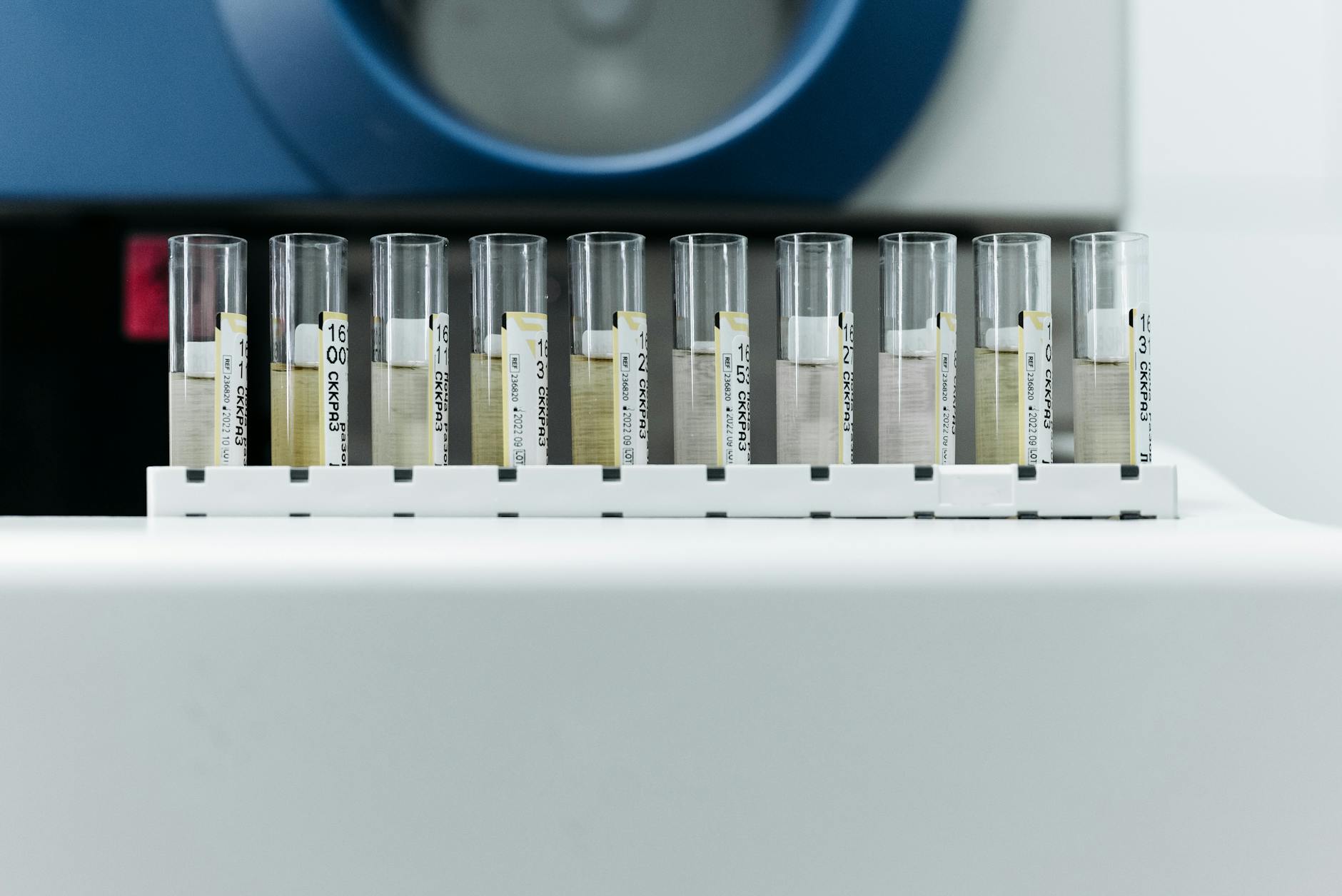
Earth AI is establishing its own internal laboratories to accelerate the identification of critical minerals, according to a report from TechCrunch.
The startup, which uses AI models to locate deposits of copper, platinum, and palladium, is moving toward vertical integration to solve significant bottlenecks in its exploration process.
Roman Teslyuk, founder and CEO of Earth AI, told Tech and Crunch that the company began facing massive delays after increasing its drilling capacity. He noted that while third-party labs typically have two-month backlogs, recent surges in interest have caused those delays to more than double.
"We’re 7 km behind — 7,000 meters of samples we don’t have data about," Teslyuk said.
Accelerating the drilling cycle
While Earth AI’s algorithms successfully identify high-potential mining areas, the company must still perform physical drilling to confirm mineral concentrations and distribution. Once drill cores are extracted, they require laboratory processing to determine their economic value.
By setting up in-house labs, the company aims to slash processing timelines from five months down to just five days. This shift allows for faster decision-making regarding where to direct subsequent drilling efforts.
Teslyuk explained that the necessity for lab work stems from the fact that mineral presence is not visible to the naked eye. "We don’t know whether we hit gold or not. We can’t see it with our eyes," he said.
Earth AI will continue to use third-party organizations to validate discoveries for the purpose of final economic valuations and potential sales. However, the in-house lab will serve as a primary tool to reduce exploration costs and optimize data collection during the active drilling phase.