Alphabet’s X moonshot factory announced the spinout of Anori on Thursday. The real estate technology platform secured $26 million in initial funding to address deep industry inefficiencies. This move marks the first independent company launched by X in 2026. The goal involves significantly reducing the time required to approve construction projects globally. The announcement confirms X remains active despite previous project cancellations.
The funding round was led by Prologis and Builders VC. X’s dedicated spinout vehicle, Series X Capital, also participated in the investment. Astro Teller, the head of X, described the capital raise as not particularly small. Industry leaders view the platform as a critical tool for modernization efforts.
Pre-development processes currently consume two to four years before any construction begins. This period is where projects often lose money or fail entirely due to complex bureaucracy. Architects, engineers, and city officials operate in disconnected silos during this phase. Changing a design often requires months of recalculation by multiple parties involved. These delays inflate costs for taxpayers and consumers alike.
Anori seeks to unify all stakeholders on a single digital platform from the start. Compliance conflicts will surface within weeks rather than months or years. The system prioritizes transparency between developers and government regulators. Initial focus targets three-to-six-story multifamily buildings of five to 100 units.
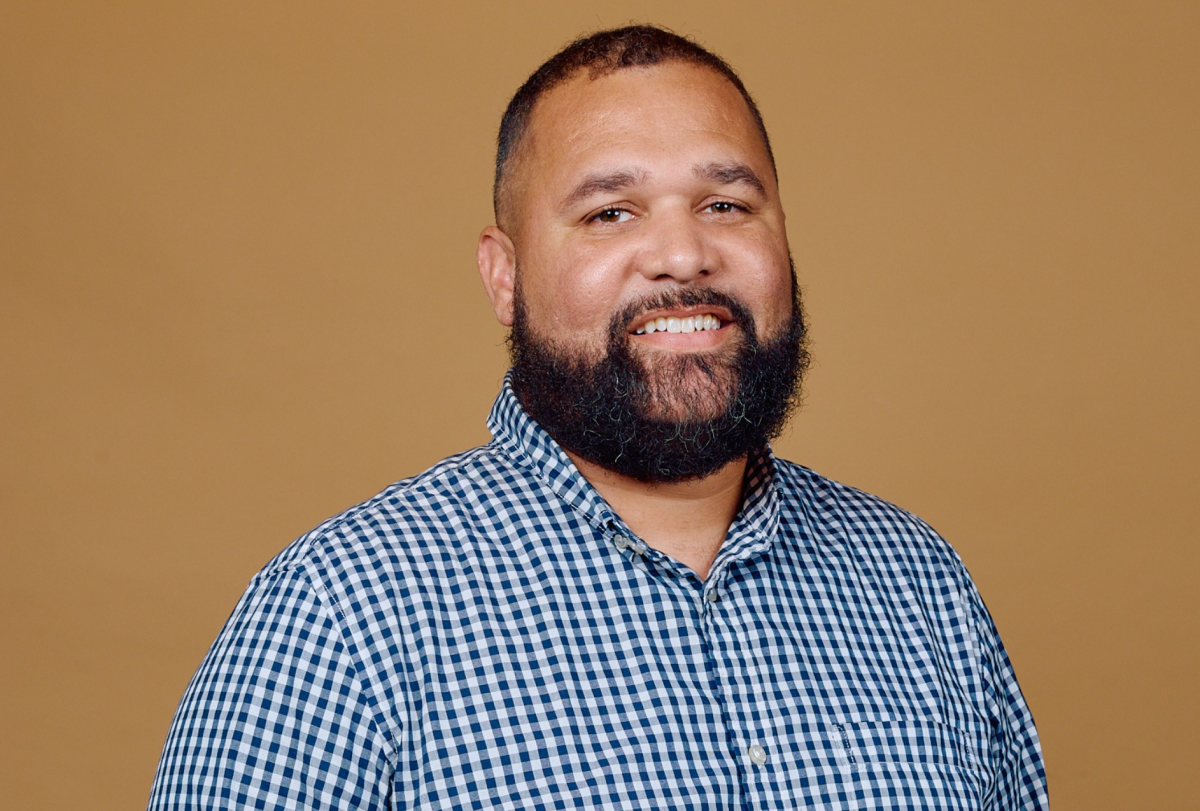
Adrian Walker serves as the new company’s chief executive officer. He previously spent over nine years at Ford Motor Company before joining X. Walker believes transparency can accelerate housing and commercial real estate projects significantly. His leadership brings significant operational experience to the startup team.
X attempted similar solutions 13 years ago with Vannevar Technologies. That venture failed because the industry was not ready to adopt the technology back then. This time, major players expressed a desire to build the solution alongside X. Financial incentives ensure cities and developers remain engaged with the platform.
Rio de Janeiro signed a major partnership to modernize its urban licensing process. Mayor Eduardo Paes prioritized permitting reform before X approached the administration. Licensing reforms have long been a priority for the mayor. The city will use the platform to streamline approvals for local developments. This partnership validates the technology before global expansion occurs.
Future applications may include hospitals and large data centers. The company aims to solve the chicken-and-egg dilemma of platform adoption. Stakeholders now have financial incentives to make the ecosystem work together. Success could fundamentally change how new structures get approved worldwide. Investors watch closely to see if this model scales to other sectors.