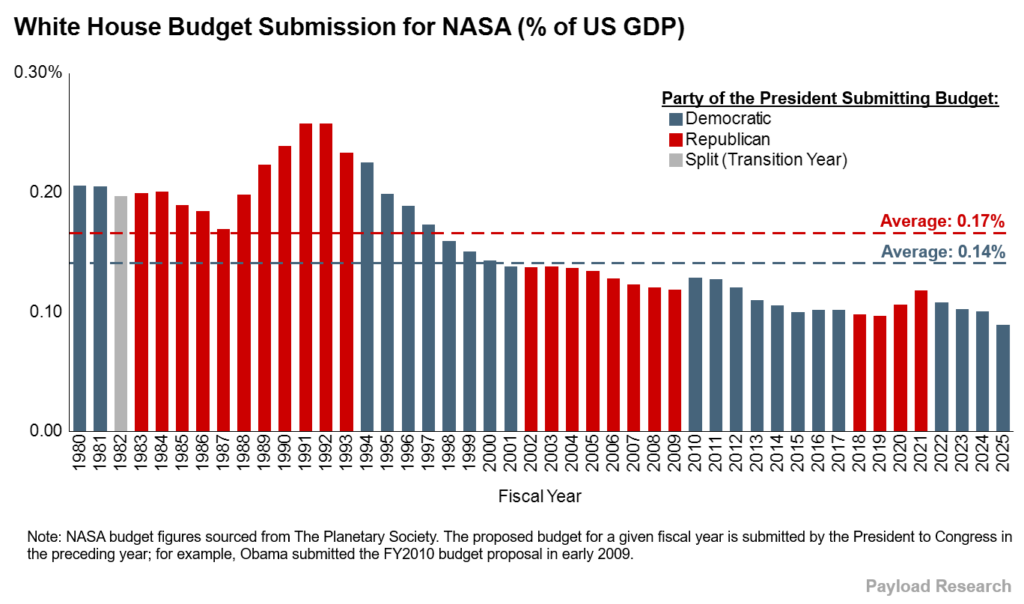
U.S. President Donald Trump released a budget blueprint on Friday proposing a 23% cut to NASA’s funding. The proposal comes just as NASA has completed its first crewed lunar orbit mission in over 50 years, successfully sending four astronauts into space.
This spending plan for fiscal year 2027 marks the beginning of a months-long budget approval process. Under U.S. law, both chambers of Congress must pass their own appropriations bills, reconcile any differences, and send a final version to the White House for the President’s signature. Fiscal year 2027 officially begins on October 1.
The White House stated in the document that the cuts are intended to eliminate "unnecessary and overpriced" activities. Under the plan, NASA would concentrate its limited funding on the priority of returning humans to the moon during Trump’s term and using that as a foundation to build a lunar base.
White House officials stated in the budget outline: "This budget request provides $18.8 billion in discretionary budget authority for NASA, a decrease of $5.6 billion, or 23 percent, from the enacted level for fiscal year 2026."
Budget Battles and Strategic Focus
The White House proposed similar cuts last year, but the Republican-controlled Congress rejected them, maintaining NASA’s budget at levels set during the Biden administration. Given this history, the proposal is widely expected to face significant revisions during the upcoming congressional review process.
NASA Administrator Jared Isaacman, who just last week unveiled an ambitious vision for space exploration, now finds himself on the defensive, tasked with justifying his agency’s budget proposal. In a statement accompanying the release, he said the proposal aims to "solidify American leadership in deep space exploration, strengthen the national industrial base, and accelerate technological innovation that benefits the American people."
Although the White House has emphasized its priorities, the drastic budget cuts have sparked widespread concern within the aerospace industry. As the budget process moves forward, members of Congress will be forced to re-evaluate the priority of NASA’s long-term scientific research projects against its short-term lunar goals.