Even as the Orion spacecraft from the Artemis II mission has yet to return to Earth, NASA has already begun mapping out the next phase of the program: Artemis III. The mission, previously adjusted to take place in Earth orbit, is intended to build critical operational experience for the subsequent crewed lunar landing, Artemis IV.
NASA Administrator Jared Isaacman stated on Tuesday that the agency held its first high-level mission design meeting earlier that day. Currently, the core debate within NASA centers on whether Artemis III should target a Low Earth Orbit (LEO) or a High Earth Orbit (HEO).
“We need to determine the initial orbit for Artemis III,” Isaacman said during the press conference. “Both low and high Earth orbits have their own pros and cons, and we are currently weighing those options.”
Orbital Selection Dictates Rocket Configuration
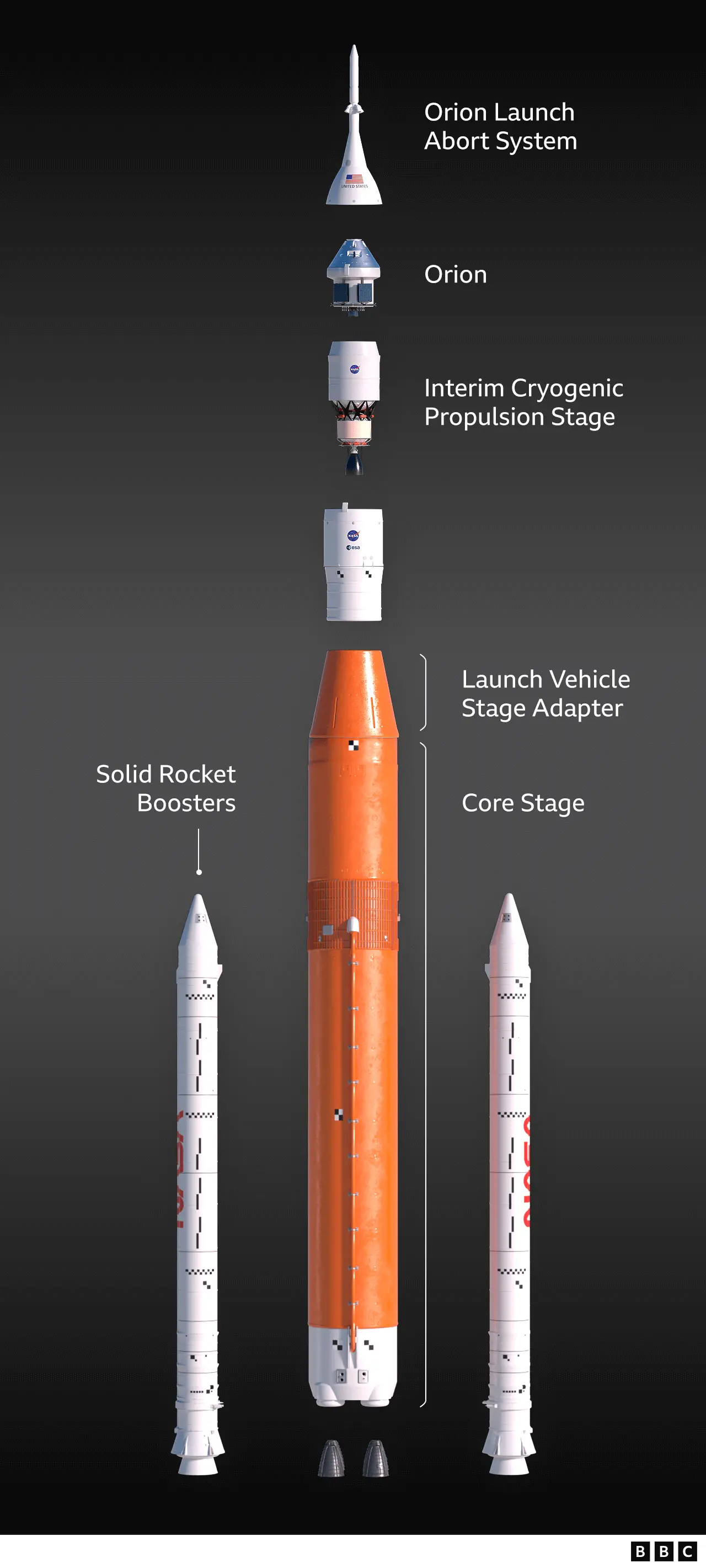
Under the current plan, Artemis III will launch from Florida aboard a Space Launch System (SLS) rocket, carrying four astronauts into Earth orbit. During the mission, the Orion spacecraft will dock with NASA’s Human Landing System. Vehicles currently under development for this purpose include the SpaceX Starship upper stage and the upgraded 'Blue Moon' lander designed by Blue Origin.
The choice of orbit directly impacts the allocation of rocket propulsion stages. If NASA opts for docking in LEO (approximately 160 to 2,000 kilometers above Earth), it can bypass the need for the Interim Cryogenic Propulsion Stage (ICPS). This is vital for future missions, as it allows NASA to reserve its final remaining ICPS unit for Artemis IV.
Conversely, if the mission is set for a high orbit (over 36,000 kilometers above Earth), NASA would be required to rely on the ICPS to boost the Orion spacecraft to the designated altitude. With the Artemis II spacecraft scheduled to splash down in the Pacific Ocean off the coast of San Diego this Friday, NASA is fast-tracking the blueprint for Artemis III to ensure the success of its long-term lunar exploration goals.