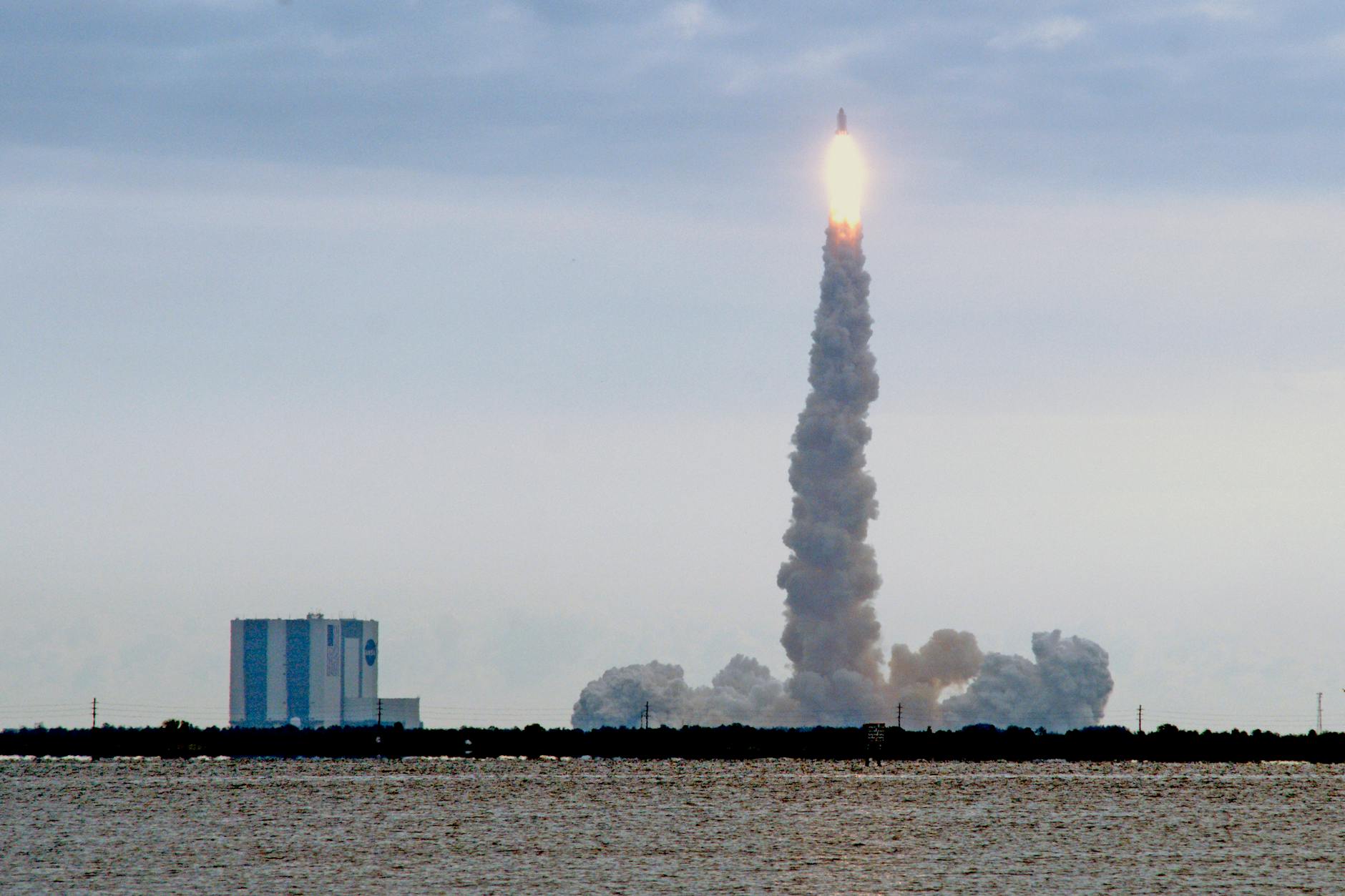
Japan Aerospace Exploration Agency (JAXA) has identified a manufacturing flaw in an adhesive component as the primary cause of the December 2025 H3 rocket failure.
An analysis presented to Japan’s Ministry of Education, Culture, Sports, Science and Technology revealed that temperature fluctuations during production weakened the adhesive used to bond layers of a critical component.
This component was responsible for securing the satellite payload during ascent.
Component delamination led to fuel line rupture
According to the JAXA report, the weakened adhesive failed when the H3’s fairing opened. The component delaminated, losing its ability to support the weight of the satellite.
This structural failure caused the payload to shift unexpectedly. The resulting movement broke a fuel pipe connected to the rocket's second stage.
This rupture caused the second stage to ignite late and shut down prematurely, forcing mission controllers to abort the flight. The mission's navigation satellite was lost during the incident.
JAXA investigators believe the failure only occurred because this specific payload was unusually heavy. The agency stated it will revisit manufacturing processes and may redesign parts of the H3 to prevent similar occurrences.
The H3 is intended to be Japan's next-generation medium-capacity launcher for both commercial and scientific missions. The agency is now working to stabilize the production line to ensure the reliability of its future launch programs.