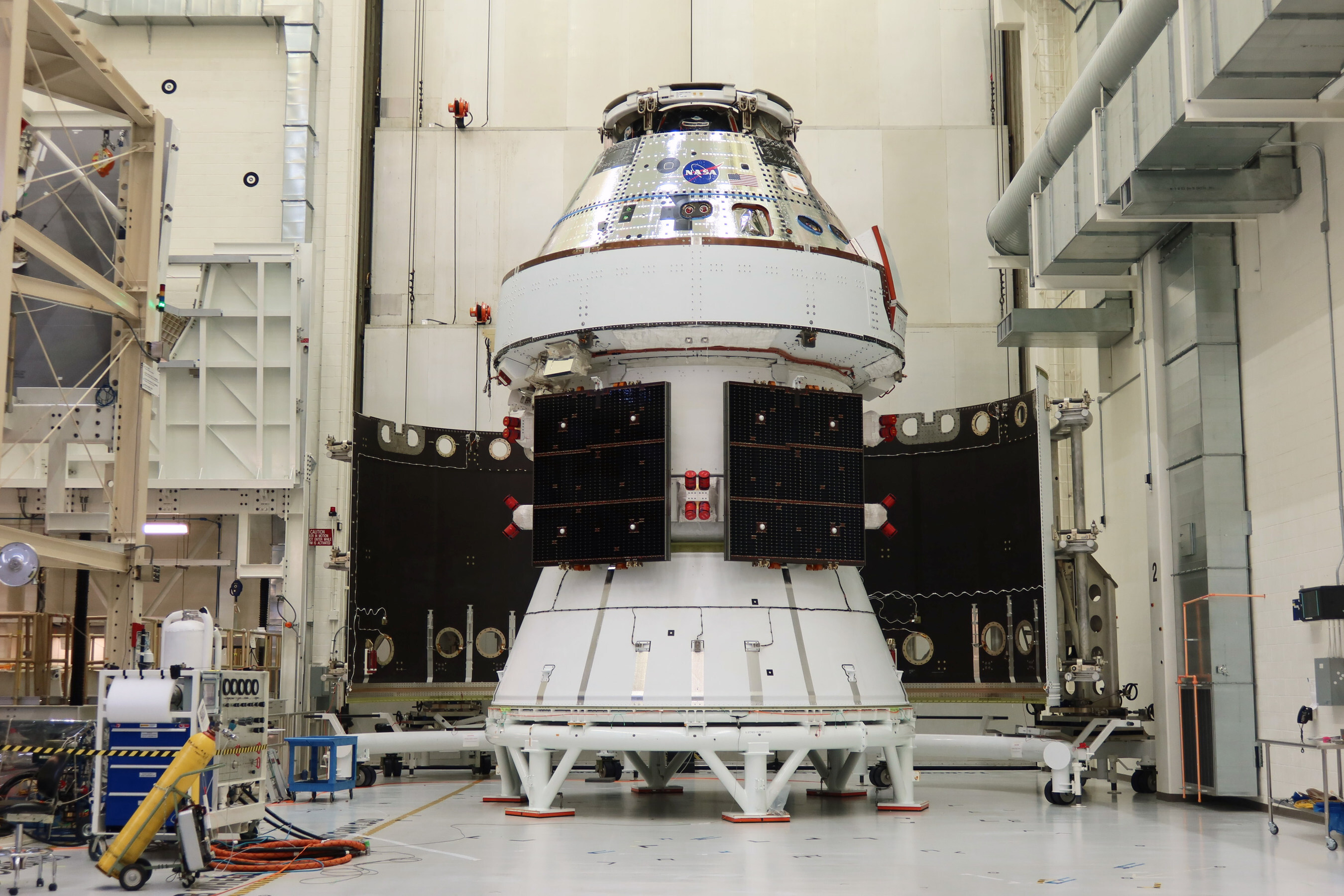
NASA’s Artemis II mission reached a significant milestone late Monday. As the Orion spacecraft swung behind the Moon, the crew established a connection with ground stations via a laser communications link, beginning the transmission of high-definition imagery.
NASA released the first batch of these photos to the public on Tuesday. The images were captured by the mission's four astronauts—Reid Wiseman, Victor Glover, Christina Koch, and Jeremy Hansen—using Nikon cameras equipped with wide-angle and telephoto lenses, supplemented by iPhones to document the view from the windows.
The Scientific Value of Human Exploration
For the first time in 53 years, humans have returned to the Moon’s vicinity. Geologists at Mission Control in Houston have expressed immense enthusiasm for the new observations. Thanks to the unique vantage point provided by orbital mechanics, the astronauts were able to survey regions of the lunar far side previously accessible only to robotic probes.
Throughout the mission, the crew provided ongoing commentary on their observations, blending professional geological terminology with raw, intuitive wonder at the lunar landscape. NASA noted that these human-captured perspectives offer a unique and valuable complement to existing data.
While public interest in the imagery is high, the scientific community continues to emphasize the foundational contributions of robotic missions. Over the years, various uncrewed probes have utilized laser altimeters, radar, and magnetometers to map the Moon in exhaustive detail. These instruments have not only produced comprehensive charts but also identified signs of water ice within craters at the lunar south pole—a discovery that serves as a primary driver for current plans to return humans to the lunar surface.
Currently, the four astronauts are on a high-speed trajectory back to Earth. They are scheduled to complete their atmospheric reentry and splash down on Friday evening, concluding this historic crewed lunar flyby mission.