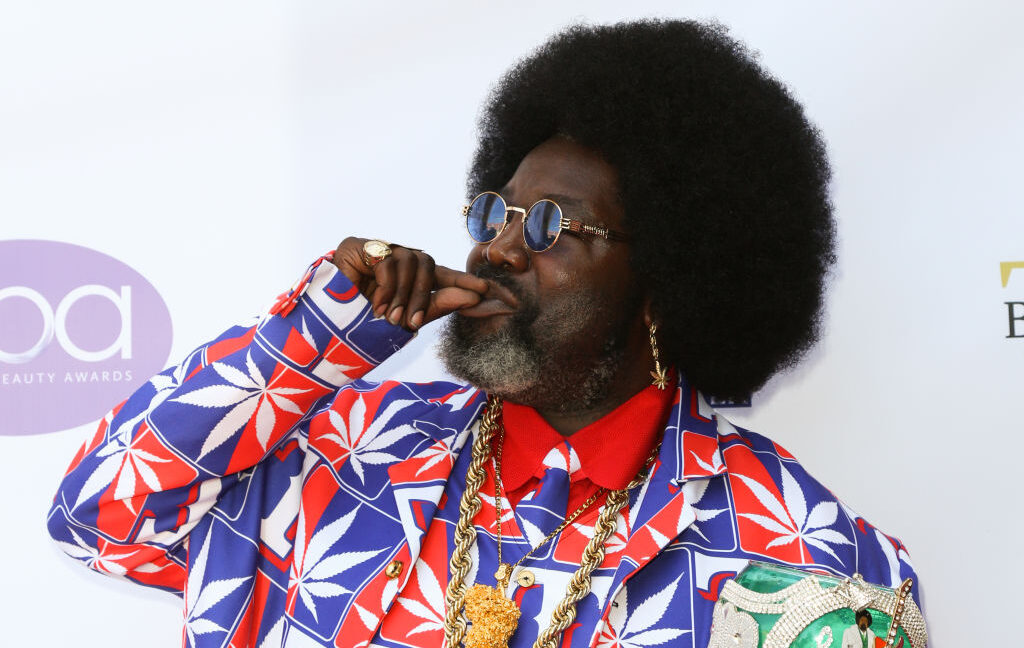
On Wednesday, a jury ruled in favor of rapper Afroman in a high-profile defamation lawsuit involving law enforcement officials. The musician successfully defended against seven police officers who sued over music videos mocking a 2022 home raid. The verdict reaffirmed free speech protections regarding public officials and viral digital content created by individuals.
The officers from the Adams County Sheriff’s Office sought individual damages of up to one point five million dollars each during the proceedings. They alleged the videos humiliated them and led to death threats after footage went viral across social media platforms. Afroman produced tracks like Lemon Pound Cake using raw footage from his own home security cameras.
The legal dispute originated from a specific raid where officers found no marijuana and filed no charges against the artist. Videos for songs like Why You Disconnecting My Video Camera utilized real footage from the security systems installed in his residence. This documentation provided the visual evidence necessary to construct the narrative presented in the courtroom.
During the trial, Afroman testified that the officers were solely responsible for their own reputational damage in the public eye. He stated that without the wrongful raid, the lawsuit would not exist regardless of his artistic output. His attorney David Osborne framed the situation as a clear-cut First Amendment case according to reporting by The New York Times.
Footage from the proceedings captured by Local 12 showed tears streaming down the artist face when the jury sided with him. Deliberation lasted just a few hours before the final decision was reached regarding the individual claims. Afroman expressed happiness regarding the outcome after facing years of legal scrutiny and financial pressure.
Defense attorney Bob Klinger argued the rapper intentionally perpetuated lies over three and a half years on the Internet. He claimed the posts were made repeatedly about the deputy sheriffs and damaged their professional standing. The Cincinnati-based ABC affiliate reported this failed argument during the closing stages of the trial.
This case highlights the growing legal friction between law enforcement and digital creators using surveillance footage for commentary. Technology now allows individuals to document police interactions with high fidelity and distribute content instantly. These recordings often become central to public discourse and complex legal battles involving free speech.
The ruling suggests that using public events for artistic expression remains protected under current American constitutional law. It sets a precedent for how content creators can respond to police actions legally without facing massive damages. Prior cases often struggled to balance safety concerns with open expression in the digital age.
Looking forward, this verdict may encourage more artists to utilize real-world footage in their work without fear of retaliation. Legal teams will likely study the decision when advising clients on similar disputes involving law enforcement. The intersection of copyright, free speech, and surveillance continues to evolve rapidly.