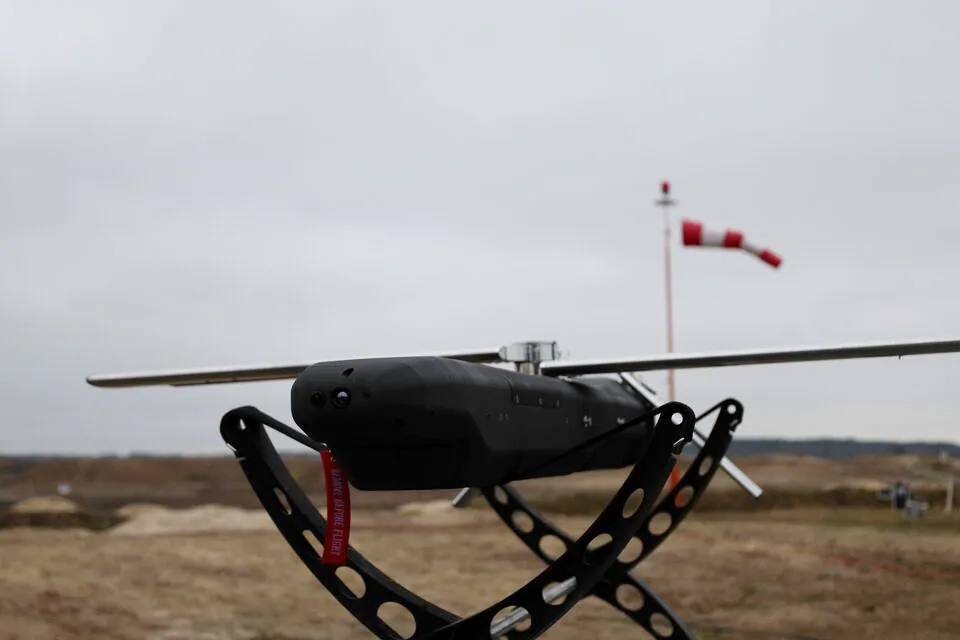
The UK Ministry of Defence (MoD) has announced plans to rapidly procure the "Skyhammer" interceptor system from British startup Cambridge Aerospace. The deal, intended to counter the proliferation of Iranian-style attack drones, will see the technology deployed by both British forces and partners in the Persian Gulf.
First deliveries of the interceptors are expected as soon as May. This timeline represents a significant departure from standard British defense procurement cycles, which are typically characterized by lengthy development and testing phases.
Rapid deployment to combat drone threats
A specialized task force within the MoD’s National Armaments Director (NAD) Group is spearheading the acquisition. According to ministry officials, the initiative aims to provide immediate technological support to Middle Eastern allies facing an evolving threat landscape.
The Skyhammer is a 18-kilogram, tube-launched weapon featuring a turbojet engine and deployable wings. Industry reports from last year’s Defence and Security Equipment International (DSEI) conference specify that the interceptor measures less than a meter in length with a 1.3-meter wingspan, capable of reaching speeds up to 700 km/h with a 30-kilometer range.
While the MoD confirmed that a contract has not yet been finalized, a spokesperson described the agreement as a "multimillion-pound" deal. The package will include the missiles and launchers, alongside provisions for technical support, integration services, and end-user training.
Questions regarding the selection process for Cambridge Aerospace remain unanswered. The MoD declined to disclose whether a competitive tender took place, citing commercial sensitivity. The startup’s board includes former UK defence secretary Grant Shapps, who was appointed chair last year, a connection that has drawn scrutiny regarding the transparency of the procurement process.
Cambridge Aerospace declined to provide additional details beyond the MoD’s initial announcement. The move follows a series of recent efforts by the UK to accelerate the development of low-cost air defense capabilities, including laser-guided rocket testing by the Royal Air Force and broader initiatives to arm Royal Navy vessels against unmanned aerial threats.