Global financial markets rallied on Monday after President Donald Trump signaled a de-escalation in Middle East tensions. The dollar in Chile fell sharply alongside crude oil prices following the American leader's announcement regarding negotiations with Iran. This shift occurred on March 23, 2026, as traders reassessed geopolitical risk premiums.
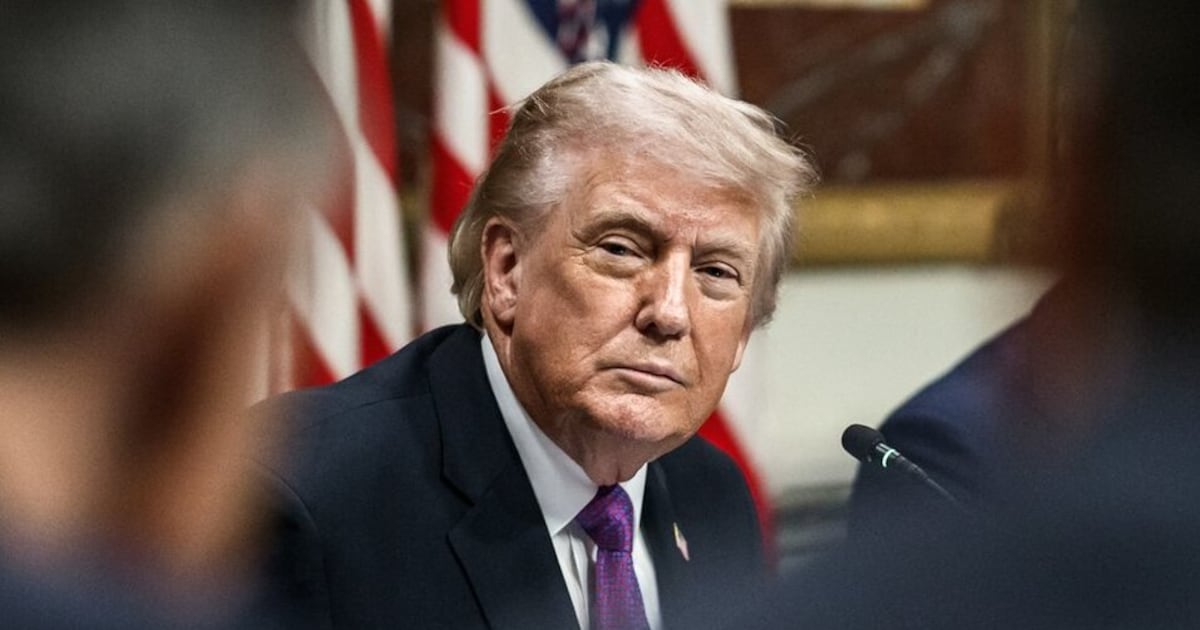
Trump posted on Truth Social that the United States and Iran held productive conversations over the past two days. He instructed the Department of War to postpone attacks on Iranian energy infrastructure for five days pending further debate. The administration framed this pause as a condition for successful ongoing meetings.
Energy markets reacted immediately to the news, with crude oil futures tumbling from earlier highs. The West Texas Intermediate contract fell more than nine% to $88.90 per barrel at the close. Brent crude dropped over 10% to trade near $100.16, retreating from intraday peaks near $120.
Wall Street indices posted gains, though enthusiasm moderated after the initial surge. The Dow Jones Industrial Average rose 1.38%, while the S&P 500 advanced 1.15% during trading hours. The Nasdaq Composite increased 1.22% as tech stocks responded to reduced conflict risks.
In Chile, the local currency strengthened significantly against the greenback amidst the improved sentiment. The dollar rate closed at $908.50, marking a decrease of $20.05 from the previous session. This represented the largest single-day decline since April 9, 2025. The move reverses a trend of six weeks of consecutive gains.
Copper futures supported the peso by rising 3.20% to $5.45 per pound on the Comex exchange. However, the Santiago Stock Exchange remained disconnected from the global optimism trend. The IPSA index fell 0.49%, extending a losing streak to four consecutive trading days. Local investors remain cautious despite the external positivity.
Not all sources confirmed the diplomatic progress cited by the White House. The Iranian news agency Fars reportedly stated that no direct or indirect communications exist between the two nations. Ross Mayfield of Baird advised caution regarding the likelihood of a rapid normalization of relations.
Analysts note that the war has not concluded despite the temporary pause in hostilities. Banco Base warned that new episodes of risk aversion remain possible if threats resurface. Investors must monitor whether the five-day window yields tangible diplomatic results. The situation requires vigilance from global economic policymakers.
The outcome of these negotiations will likely dictate volatility in emerging markets throughout the week. Chilean importers and exporters will watch the dollar closely for further stabilization. Future policy decisions in Washington regarding the region remain a key variable to watch.