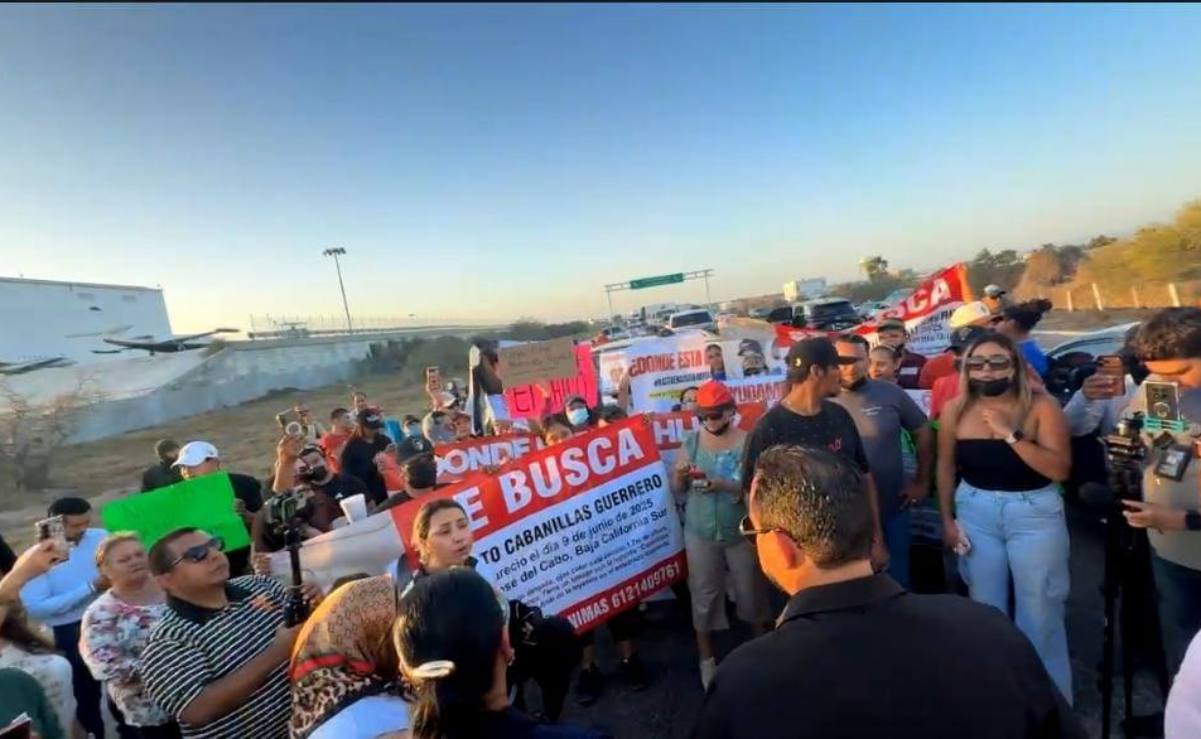
Cuernavaca, Morelos. Governor Margarita González Saravia and UAEM Rector Viridiana León signed a collaboration agreement on Tuesday to implement an Integral University Security Plan across all campuses of the Universidad Autónoma del Estado de Morelos. The initiative responds directly to student demands for safer environments following the disappearance and subsequent discovery of two female students without life. This development marks the latest institutional response to growing concerns about public safety in Mexican higher education institutions.
The comprehensive security plan includes installation of security arches, preventive video surveillance systems, safe waiting areas, and modernization of lighting infrastructure throughout university facilities. Governor González Saravia stated that her administration recognizes the legitimate demands of students regarding institutional responses and safe environments. She emphasized that these tools complement responsible institutional presence aimed at strengthening tranquility on campuses and their surroundings.
The governor addressed students directly during the ceremony, stating that their security matters and their voices count in the process. She underscored three times her recognition of the autonomy of the highest house of studies in Morelos throughout the event. According to El Universal, the official statement included commitments to develop spaces of respect and participation for academic development.
Rector Viridiana León acknowledged the pain that the university community is experiencing following the absence of Karol and Kimberly. She noted that student voices remain necessary as they help discover paths that strengthen the community as a whole. The rector specified that the plan includes actions on prevention of a culture of peace alongside infrastructure improvements.
Student resistance group Resistencia Estudiantil UAEM issued a statement claiming they were excluded from the plan structuring process. The group maintains occupation of the university headquarters in Cuernavaca and expressed concern over lack of technical support and transparency in planning. They questioned which risk analysis or impact study determined quantities and distribution of monitoring devices and security modules.
The student collective argued that without a public, comprehensive and professional diagnosis justifying these measures, the plan lacks a solid foundation. They characterized the initiative as media simulation rather than an effective security strategy according to their published communication. The group demanded that any technological implementation respect university autonomy and right to privacy during execution.
Security concerns in Mexican universities have intensified following high-profile cases of violence against students across multiple institutions. Previous studies by the Organization of American States found that 60% of Latin American universities lack adequate security protocols. Mexico ranks among countries with highest rates of violence in higher education according to recent federal statistics.
The agreement comes as the federal government faces increasing pressure to address educational security amid rising crime rates nationwide. Implementation timelines remain unclear as both parties must coordinate budget allocations and operational protocols before deployment begins. Officials have not specified when surveillance equipment will become operational across the seven UAEM campuses in Morelos.
Future developments will depend on whether the student resistance group accepts the transparency measures proposed by university authorities. Monitoring committees may need to include student representatives to ensure accountability during infrastructure installation phase. The outcome could set precedent for security agreements in other Mexican state universities facing similar demands.
What follows will determine whether this security framework becomes model for national implementation or remains isolated case. Observers will watch whether student concerns about privacy and political monitoring receive adequate institutional response. The situation reflects broader tensions between security measures and academic freedom in Mexican higher education sector.