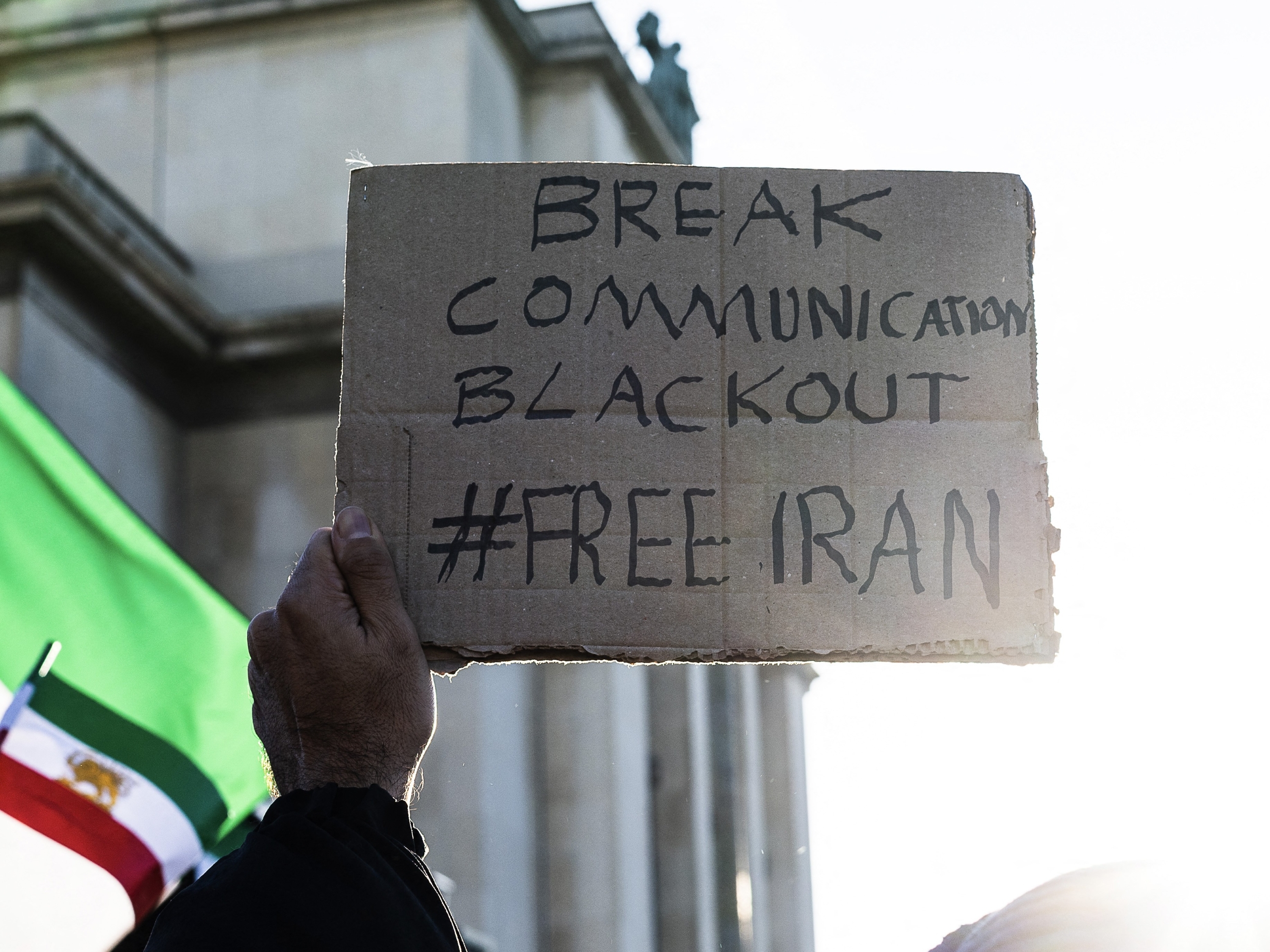
Iran has hit a grim milestone as its nationwide internet blackout officially passed 1,000 hours. The ongoing restriction now stands as the second-longest state-imposed web shutdown ever documented by network observers.
Technological monitoring groups confirm that the regime is employing sophisticated methods to maintain the blackout. Beyond standard ISP throttling, officials are utilizing military-grade jamming equipment to disrupt satellite signals.
The high cost of connectivity
The Iranian government has taken an extreme stance against alternative access methods. Reports from the region indicate that the possession of Starlink satellite terminals is now classified as a capital offense, punishable by death.
Despite the threats, citizens continue to seek ways to bypass the digital wall. The government’s reliance on signal interference suggests a desperate attempt to contain information flow within its borders.
Analysts at Tom’s Hardware noted that the sheer scale of the disruption indicates a highly coordinated effort by state security forces. The jamming technology effectively creates a dead zone for non-sanctioned communications, isolating the population from the global web.
This blackout reflects a broader trend of authoritarian regimes weaponizing infrastructure to suppress dissent. By severing access to social media and international news outlets, the state maintains control over the domestic narrative.
Observers tracking the situation point out that the length of this shutdown is unprecedented for a nation of Iran's size. Previous outages in other parts of the world rarely reached this duration without causing a total collapse of essential digital services.
International organizations have flagged the move as a severe violation of digital rights. However, the regime shows no signs of reversing its policy as it continues to prioritize total network control over public connectivity.