A recent statistical breakdown comparing interventions for depression indicates that certain nutritional supplements exhibit a potentially greater impact on mental wellness metrics than conventional prescription antidepressants. This analysis utilized the concept of standardized mean difference, or effect size, to quantify the magnitude of improvement across various treatments relative to placebo or baseline conditions.
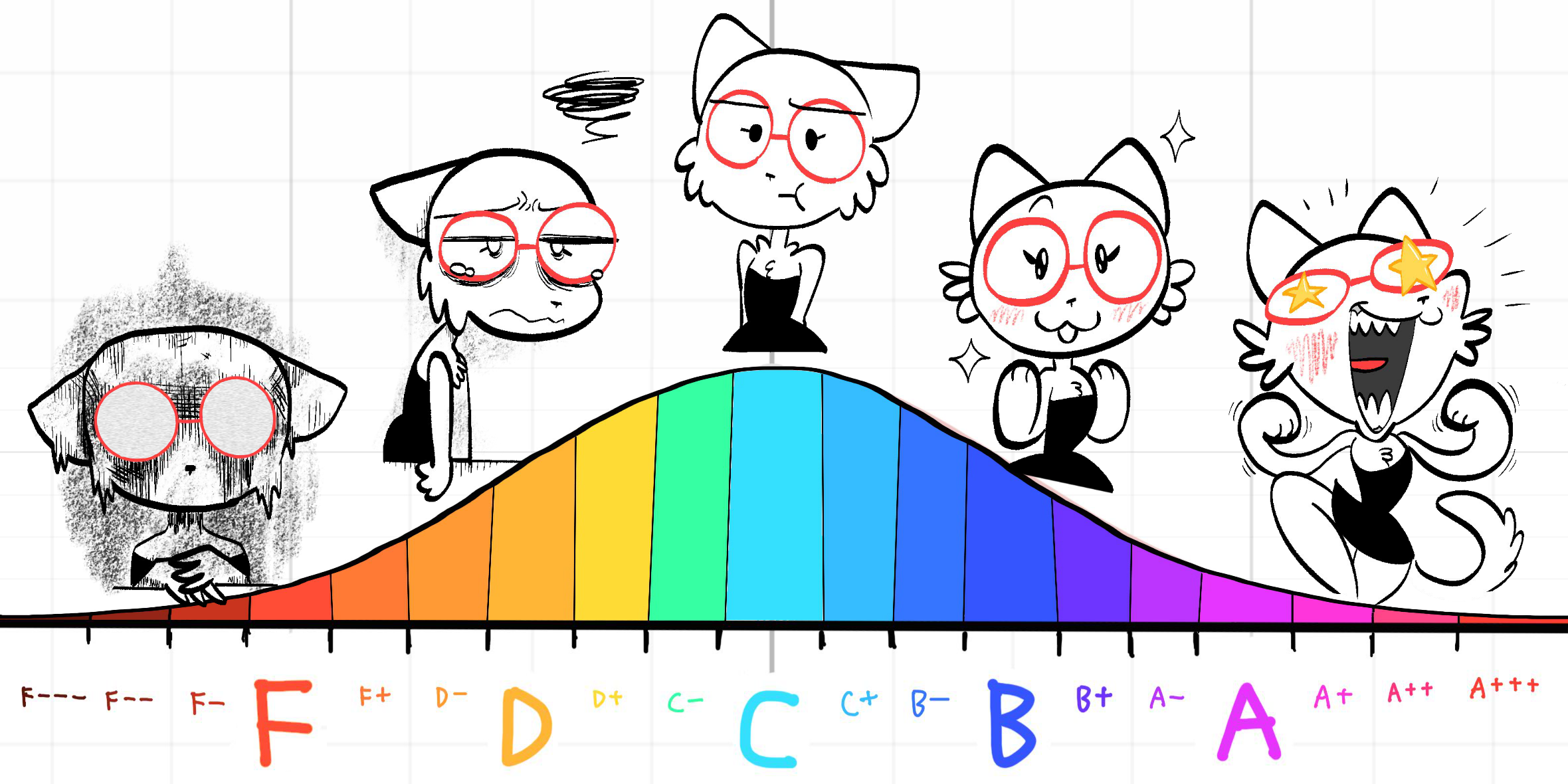
According to the data interpretation, the best-performing antidepressants yielded an average effect size of approximately 0.4, which translates metaphorically to improving a school grade from a C to a C+. This finding stems from a comprehensive meta-analysis combining data from over 500 trials involving more than 116,000 participants, reported by the source.
In contrast, supplementing with 4000 IU per day of Vitamin D reportedly achieved an effect size near 1.0, suggesting an improvement equivalent to moving from a C to a B grade on the same comparative scale. The analysis noted that this benefit was observed even in individuals who were not clinically Vitamin D deficient, though roughly half of American adults reportedly fall into a deficient category.
Omega-3 supplementation, specifically utilizing at least 1500 mg/day of high-EPA concentration, demonstrated an effect size around 0.6, comparable to moving a grade from C to a B–. However, the author of the analysis expressed slightly reduced confidence in the Omega-3 data after further investigation into the supporting literature.
Crucially, the source explicitly stated that this evidence does not advocate for replacing prescribed medication with supplements; rather, the data suggests these interventions can be effectively stacked alongside pharmaceutical treatments. Depression involves complex pathophysiology, meaning non-pharmacological supports remain relevant alongside chemistry-based approaches.
The review emphasized that standard recommended daily allowances for both Vitamin D and Omega-3 are likely too low based on current research, suggesting that individuals should consult peer-reviewed papers with their physicians to determine appropriate dosages.
These supplements present a low-risk, accessible intervention, being inexpensive and generally available over the counter for most individuals without specific contraindications like kidney stones or blood thinner use. The expected value calculation suggests these interventions constitute a positive bet for individuals seeking marginal improvements in mental health outcomes.
This comparative analysis highlights how statistical tools like effect size can translate abstract clinical findings into more intuitive metrics, drawing parallels to academic performance curves to aid public understanding of treatment efficacy.