Blizzard Entertainment has officially released details for the latest World of Warcraft expansion, Midnight, revealing a significant shift in faction dynamics. The developer has prioritized cooperation over conflict in the game's newest chapter to address player feedback regarding the previous expansion. Reports indicate this strategic move aims to heal deep rifts from previous eras of the franchise. The decision impacts how players engage with the game world for years to come.
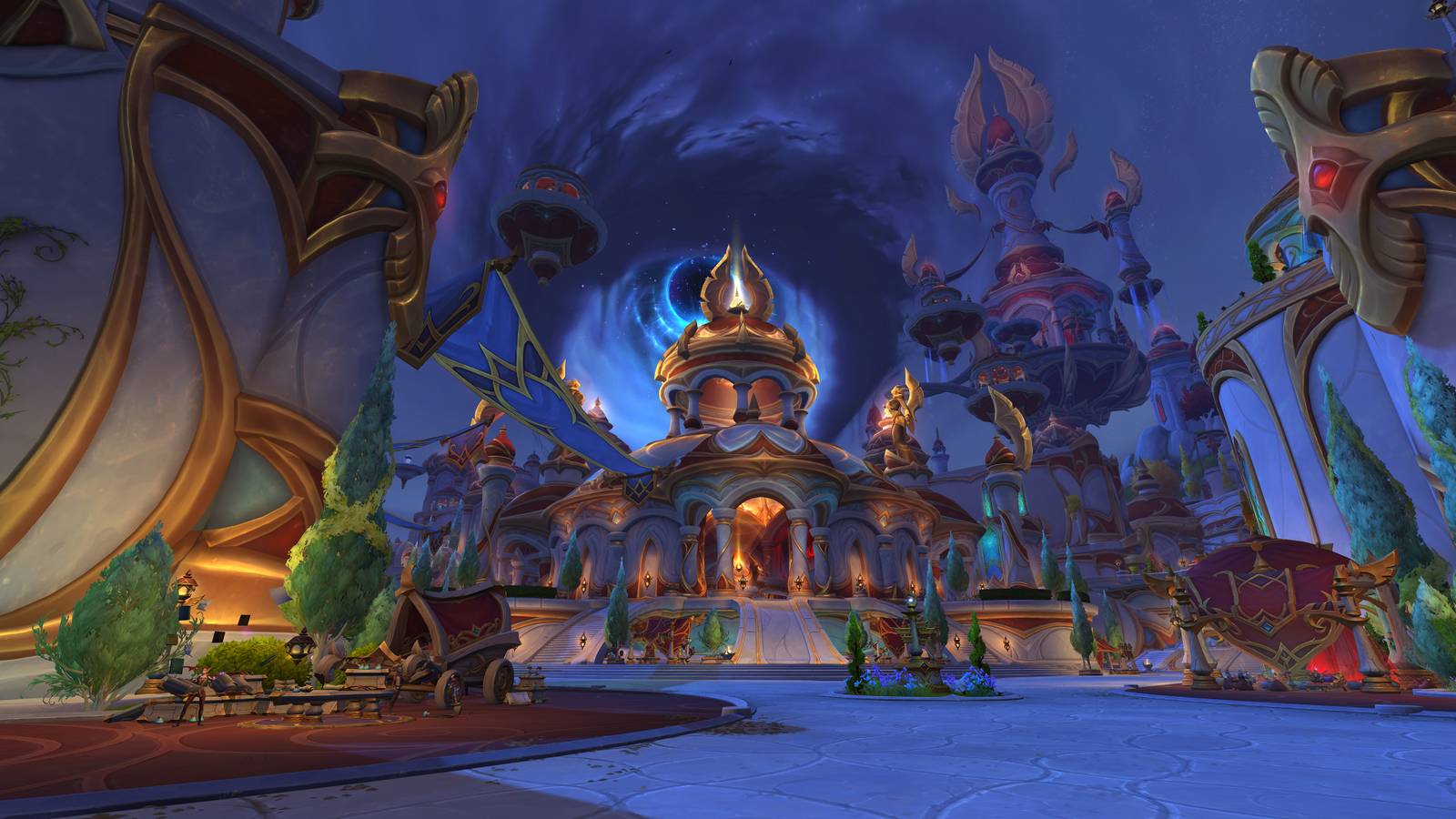
The new content allows Alliance players to enter Silvermoon City, a Horde stronghold, marking a historical first for the franchise. Previously, these zones remained strictly exclusive to their respective factions to maintain lore consistency. This design choice signals a major departure from the conflict-driven history of recent expansions.
Historic Cooperation
In the first expansion, Burning Crusade, Blizzard designers introduced the concept of Sanctuary where player-versus-player combat was impossible. These locations traditionally housed neutral third parties that players from both sides helped to maintain order. Midnight changes the formula by welcoming everyone to the blood elf capital of Silvermoon City. This reflects a long-term strategy to unify the player base.
A narrative threat drives this unity as the Harbinger of the Void Xal'atath brings her armies to Silvermoon to take control of the Sunwell. The powerful fount of energy holds sacred value for the elves and followers of the Light alike. This shared danger necessitates an unprecedented level of cooperation between the warring groups.
An early quest chain explains that the blood elves have reluctantly allowed members of the Alliance to stay in the city. Quest lines feature a dwarf and elf reuniting to pay a bar tab after years of separation during the war. Their dynamic resembles unlikely friends sharing teasing banter in a tavern setting.
Systemic Changes
Blizzard has confirmed that cross-faction queuing is in the works alongside the expansion features currently available. This allows full parties of friends to do dungeons regardless of whether characters are Horde or Alliance. The unprecedented scale of the threat demands this level of cooperation for survival.
These features are not likely to disappear even after The Worldsoul Saga concludes with the final chapter. If anything, the new dungeon dynamics could mark the end of the divide between factions permanently. By the time the trilogy ends with The Last Titan, Azeroth may finally be at peace. Developers will likely monitor player sentiment to adjust future content.
Players can expect lasting changes to how factions interact within Azeroth moving forward into the next era. The developer has promised to maintain these structural shifts regardless of future narrative arcs. This stability suggests a new normal for the massively multiplayer online role-playing game.
According to Polygon, these updates reflect a broader trend in modern game design towards inclusivity. The expansion represents a mature evolution of the franchise's core identity over two decades. This approach ensures longevity for the game amidst a competitive market. It also sets a precedent for future expansions in the series.