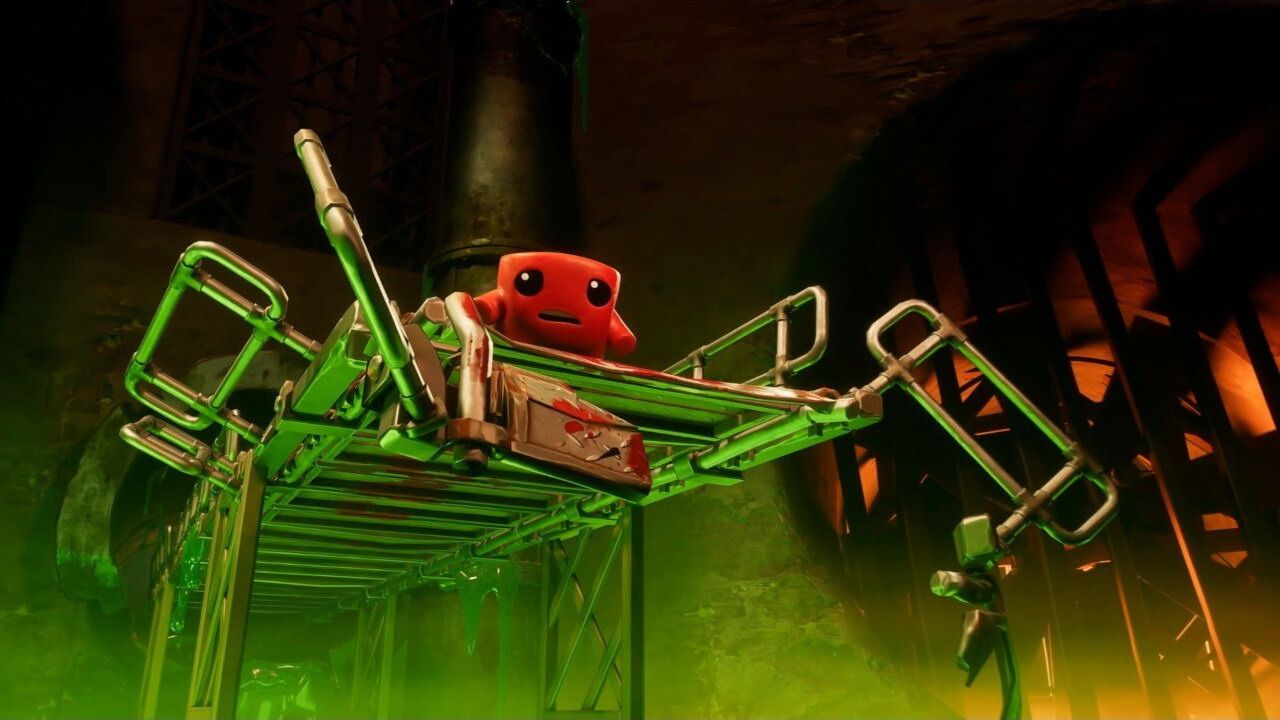
Team Meat released the long-awaited three-dimensional sequel to the cult classic action platformer this week. Critics from PC Gamer immediately highlighted significant aesthetic shifts in the new iteration compared to the original. While the core mechanics transfer well to three dimensions, reviewers argue the game lacks the distinct visual soul. Shaun Prescott, the Australian editor of PC Gamer, provided a detailed breakdown of the experience.
Visual Identity Concerns
The original Super Meat Boy defined itself through a rugged visual identity mixing gore with cartoon whimsy. The new version appears as a run-of-the-mill three-dimensional platformer with excessive blood effects. Prescott noted the game looks like a standard title rather than something uniquely stylized. This shift removes the jagged pixel art style that made the first game instantly recognizable.
McMillen's absence from direct development is reportedly a major factor in the stylistic change. Mewgenics produces assets that feel more aligned with the original franchise's specific aesthetic. The current world feels like it belongs in a modern canon for which Fortnite is the visual trailblazer. Critics suggest this generic look dilutes the unique apocalyptic color palette of the source material.
Gameplay Mechanics
Despite visual criticisms, the precision-oriented feel of Super Meat Boy translates effectively into the 3D format. Meat Boy retains his tight jump physics that depend on momentum and button press duration. He can still wall run and dash with the same frantic energy established in the 2010 original. The objective remains consistent as players attempt to rescue Bandage Girl from Dr. Fetus.
However, some levels lean annoyingly into trial and error when rapid directional shifts are required. The boss of the third world is described as particularly difficult regarding control responsiveness. By default, the game has 45-degree snapping toggled on which causes headaches for veterans. Players are advised to turn this setting off immediately to avoid frustration later.
"Super Meat Boy 3D has no vibe," the author wrote regarding the aesthetic direction.
Visual noise remains a significant issue that distracts from the necessary precision for platforming. The color palettes are described as exceptionally overbusy compared to the original muted tones. Levels often feel like user-made challenge maps found in Quake or Garry's Mod. This lack of convincing conceptual decor makes the environments feel less cohesive.
Industry Implications
The release highlights a broader trend where niche masocore games adopt mainstream live-service aesthetics. Team Meat has created a competent action game despite the unfortunate visual choices. It is a shame that the title is also considered very ugly compared to its predecessor. The industry may see more projects struggling to balance modern visuals with retro gameplay.
Prescott concluded that while the game is playable, it fails to capture the specific chaos of the source material. The lack of a strong vibe makes it difficult to recommend for completionists seeking nostalgia. Future projects might need to prioritize artistic identity over generic polish to succeed in this genre. The legacy of the 2D original remains intact despite the new 3D release.