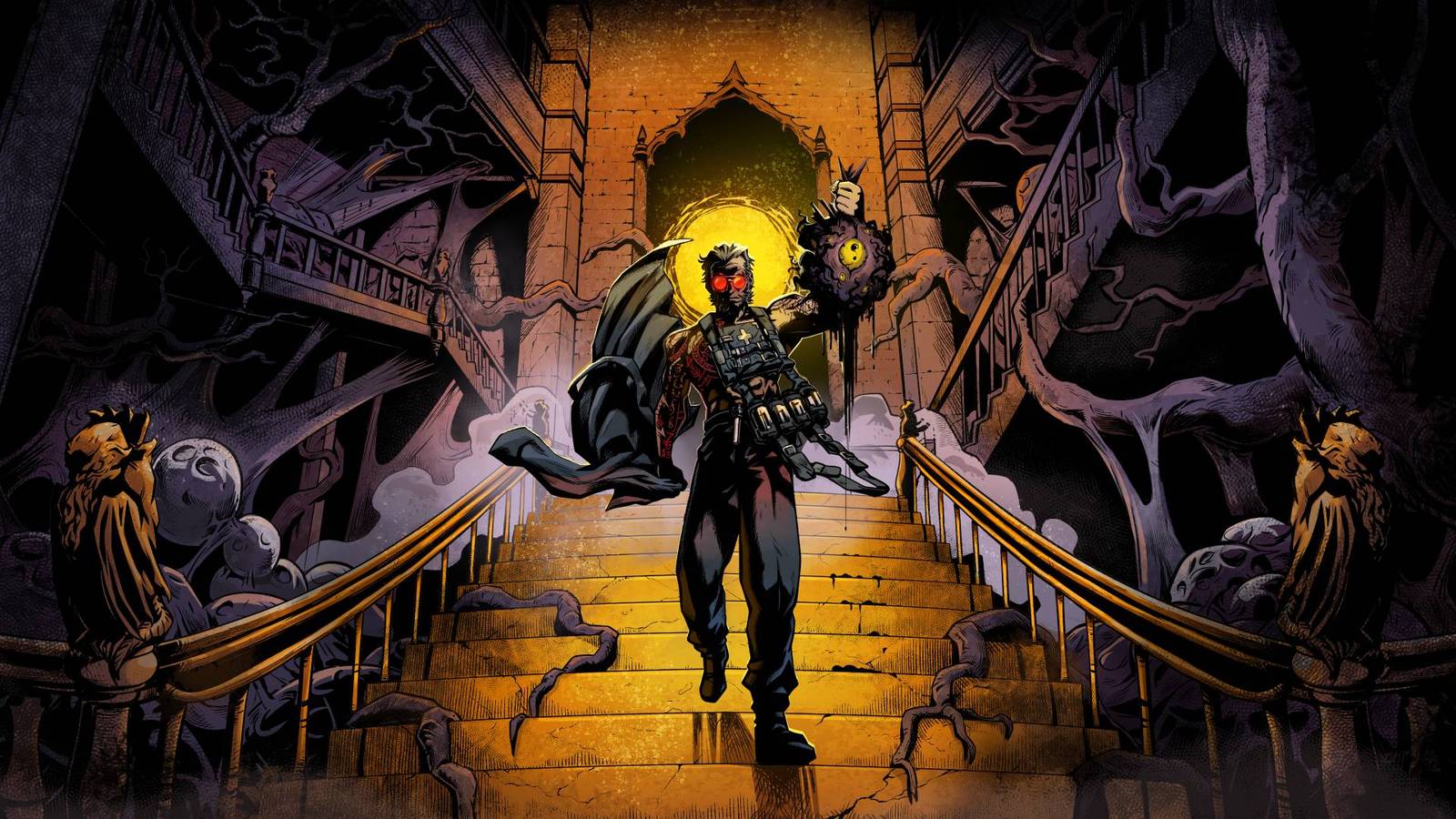
Studio Ellipsis has announced detailed information regarding its upcoming title, Nightholme, during a recent preview event in Lisbon. Alexandre Amancio, the studio head, discussed the development philosophy behind the extraction horror game in depth. The project represents a new direction for the team following the success of previous industry veterans and their desire to return to smaller team dynamics. This initiative highlights a growing trend of veteran developers seeking creative autonomy in a consolidated market. The interview provided rare insight into the studio's internal culture and strategic goals. Media coverage suggests this could set a new standard for community-driven game development cycles.
Developer Background and Philosophy
Amancio brings extensive experience from major studios including Ubisoft and Bandai Namco to the current role. He previously served as creative director on Assassin Creed titles and founded Reflector Entertainment. His background informs the current approach to building a dedicated player base rather than chasing short-term metrics. He aims to avoid the impersonal nature of large growth phases that often plague the industry. Amancio noted that he managed teams ranging from 15 people to over 5,000 at different points in his career. This vast range of management experience shapes how he views team dynamics today.
The studio emphasizes a return to scrappy team dynamics where passion drives development. Amancio noted that he missed the days when his teams were between fifteen and thirty people. He stated the goal is to create a place where people want to work regardless of the scale. This focus ensures the sacred fire remains alive among the developers working on the project. He believes that passion is the key to longevity in a competitive market. Developers often feel disconnected from their work in massive corporations. "We need a strong community of people that think our game is awesome," Amancio said.
Game Mechanics and Competitors
Nightholme takes inspiration from extraction games but focuses heavily on horror and stealth. Players must navigate Lovecraftian-esque monsters known as grimspawn without engaging in direct combat. The game encourages players to use stealth to avoid being swarmed by these threats. MOBA-inspired match-by-match progression adds another layer of strategy to the survival experience. The developers have designed the mechanics to prioritize tension over reflex-based combat. This design choice differentiates the title from standard extraction shooters.
While the game shares similarities with competitors like Arc Raiders and Hunt: Showdown, it avoids direct copying. Amancio stressed that Nightholme is not a shooter in the traditional sense despite the genre overlap. He believes other well-crafted games validate assumptions about player trust and social play. This validation allows the team to course-correct slightly without losing their unique vision. Industry observers note that Nightholme could carve out a niche in the crowded market. The focus remains on distinct gameplay loops rather than generic mechanics.
A narratively rich universe serves as the foundation for the gameplay experience. The team has created a 160-page lore bible that expands beyond the game itself. Players will discover books and recordings that connect to stories outside the immediate environment. This depth aims to reward curiosity and encourage long-term engagement with the world. The narrative design supports the emergent quest system described by the studio. Content is not static but evolves with player actions.
Quest Design and Release Strategy
Quests are designed to be emergent rather than formulaic to increase player storytelling potential. Amancio described how taking a cursed book quest creates randomly generated setups every time. This ensures that repeating a mission yields ten completely different experiences rather than the same loop. Personal stories emerge from unexpected interactions between game systems and player choices. The goal is to make every player feel like the protagonist of their own narrative. This approach contrasts sharply with scripted events found in many modern titles.
Early access is planned for this year with a focus on polish over feature completeness. The studio promises the core product will feel like a finished game despite being in early access. Amancio believes players will see the passion in the final product when it launches. He emphasized that the game must be mechanically complete before public release. Too many early access titles fail because they launch before they are ready. This studio intends to avoid that pitfall by prioritizing critical mass.
The broader implications for the industry involve a shift toward community-driven longevity. This approach contrasts with the common cycle of hype followed by rapid decline in similar titles. Developers watching this space should note the emphasis on sustainable growth over immediate numbers. The team plans to build scope over two or three years based on player feedback. Long-term success depends on retaining a core group of dedicated fans. The industry will be watching to see if this model proves viable.