Andrii Verpakhovskyi, a designer on the original S.T.A.L.K.E.R. games, recently challenged the regional classification of ambitious gaming titles. Speaking in an interview with Edge magazine, he argued that the term eurojank unfairly geofences a development style found globally. Verpakhovskyi suggested that American RPGs from the early 2000s share the same systemic quirks as Eastern European productions.
The designer highlighted Troika Games' Vampire: The Masquerade – Bloodlines and Arcanum as prime examples of this phenomenon. These titles, released in the United States, remain popular decades later despite receiving numerous fan-made patches to fix bugs. Verpakhovskyi noted that these games possessed the same soul found in works described as eurojank.
Eurojank refers to a pseudo-genre category encompassing systems-heavy games originating primarily in Central and Eastern Europe. These titles often attempt complex mechanics that exceed standard developer budgets, resulting in unexpected behaviors. Fans often view these quirks affectionately, yet the label implies a regional limitation that Verpakhovskyi disputes. Critics sometimes use the term to describe poor engineering rather than ambitious design.
During the development of the original S.T.A.L.K.E.R. titles, the team did not perceive their work as distinctly different from Western counterparts. Verpakhovskyi stated they drew no lines between Japanese Nintendo games and those produced in the US or UK. The developers were newcomers to the industry without specific training in engineering or arts. Many lacked the resources to polish every system to perfection.
This lack of formal training contributed to the unique quirks that define the games rather than their geographic origin. The ambition of the projects often outstripped the technological capacity available at the time. Consequently, the resulting software contained bugs that persisted long after release. Legacy code from that era still influences modern indie development strategies.
Greg Pryjmachuk, founder of Minskworks and developer behind Jalopy, echoed concerns about rigid industry standards. He told Edge that Steam has smothered creativity by requiring titles to fit specific orthodoxy. Games that do not follow established genre lines face quick punishment within the ecosystem. This pressure limits the types of experimental projects that reach the market.
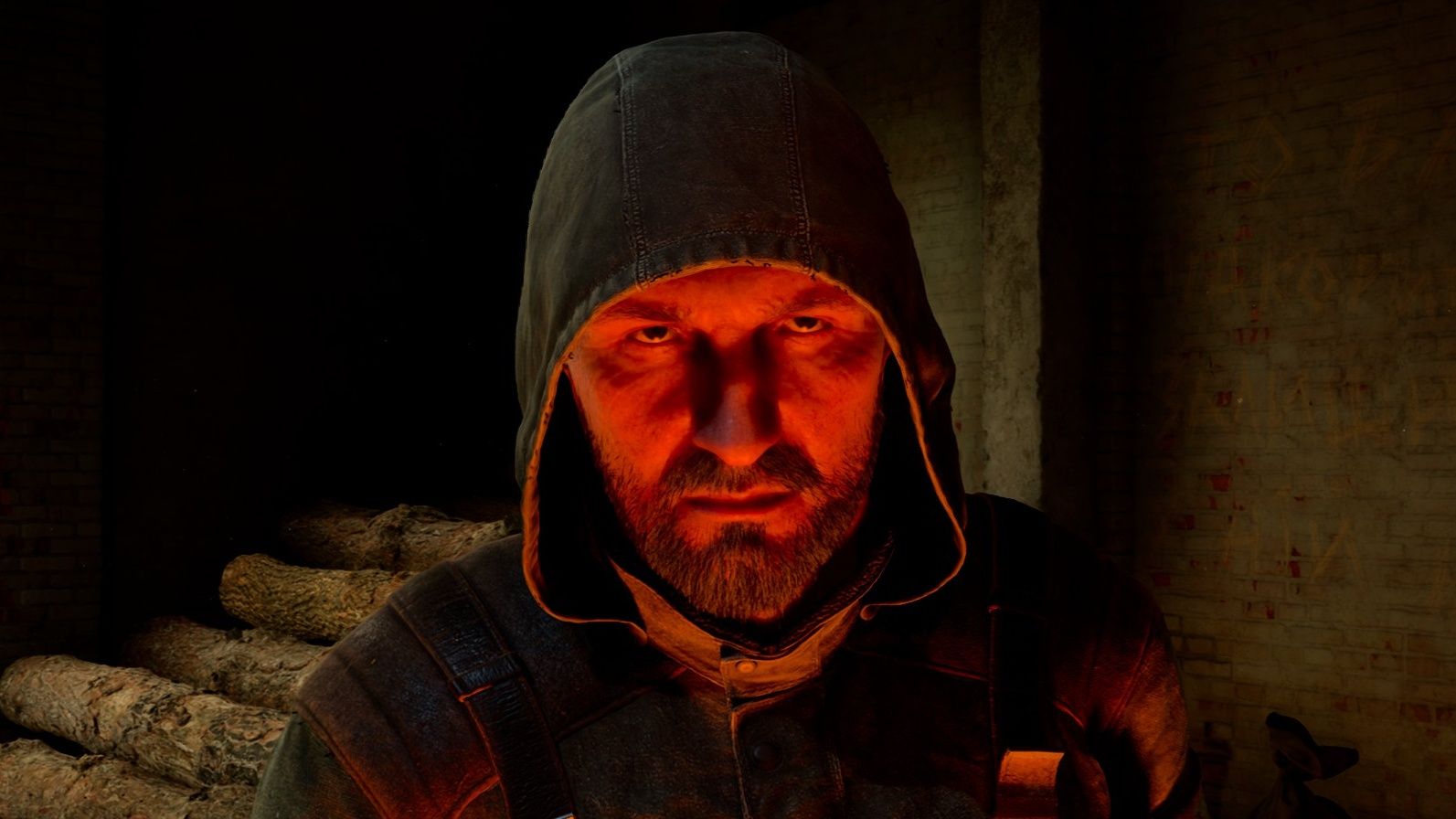
The 2024 release of S.T.A.L.K.E.R. 2 continued the legacy of its predecessors by maintaining this janky banner. PC Gamer reported that the title received mixed reception but maintained the franchise's systemic depth. This suggests the trend persists despite modern development tools and larger budgets.
The discussion highlights a tension between creative risk and platform requirements in the modern gaming market. Developers face pressure to adhere to player expectations defined by polished, standardized experiences. Ambitious projects risk being categorized as broken rather than experimental. Publishers often prioritize safety over innovation when allocating resources.
Industry observers suggest that labels like eurojank should be viewed as markers of innovation rather than defects. As platforms evolve, there is a possibility for more diverse gameplay mechanics to emerge. The conversation underscores the need for patience with unfinished or unconventional systems.