Sony Interactive Entertainment announced a price increase for its PlayStation 5, PS5 Pro, and PlayStation Portal devices. The new rates will apply globally and take effect on April two, 2026. This move follows earlier adjustments made in the United States during 2025 and worldwide during 2022.
The standard PlayStation 5 console will rise by $100, while the PS5 Pro unit faces a $150 hike. Sony indicated that the PlayStation Portal remote player will also see an increase, though the exact figure remains unconfirmed. Retailers are expected to update their pricing strategies commencing in the second quarter of 2026.
In a blog post, Sony stated that continued pressures in the global economic situation necessitated the change. The company emphasized that these adjustments ensure they can continue delivering innovative gaming experiences. They acknowledged that price changes impact their community but deemed the step necessary.
Memory costs have reportedly surged due to high demand, contributing to the need for higher retail prices. Micron confirmed in an earnings call that demand significantly exceeds available supply for the foreseeable future. SK Hynix projects these supply constraints could last until 2030.
Previous price adjustments included a US-only hike in August 2025 and a global increase excluding the United States in 2022. The PS5 Slim versions launched in late 2023 saw the Digital Edition price increase by $50 while the standard version held steady. This latest announcement marks three major pricing shifts for the hardware in recent years.
Industry observers note this trend aligns with broader challenges facing console manufacturers and PC component makers. Valve reportedly paused plans for the Steam Machine due to similar rising memory costs. Nintendo stated it is carefully considering the situation regarding its own hardware pricing.
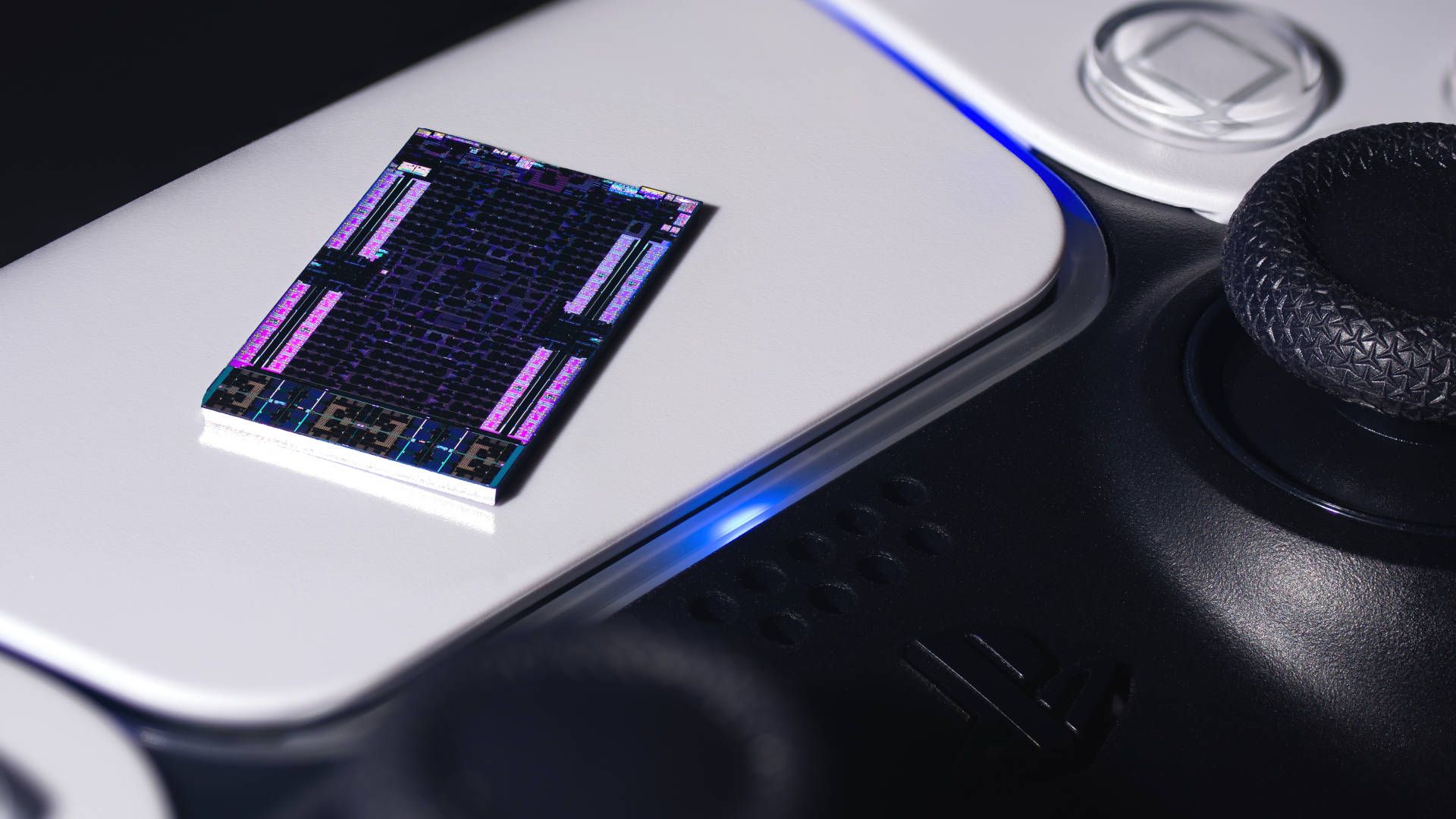
The announcement comes at a time when Sony has detailed its partnership with AMD for a new system-on-chip to power the next generation. Rising component costs may delay or impact the release schedule of future consoles if the market does not absorb the price increases. A sudden surge in demand from scalpers would not be unexpected given the announcement.
Market research suggests the memory crisis will not clear up before the end of 2027. This timeline coincides with the expected arrival of the next generation of consoles. Consumers should prepare for sustained higher hardware costs across the gaming sector for the near future.