Sony has announced another significant price increase for its PlayStation 5 consoles in the United States. This marks the second major adjustment in just eight months, affecting the entire current generation lineup. The Digital Edition, base model with an optical drive, and the PS5 Pro will all see higher retail costs starting immediately.
The price hike ranges from $100 to $150 depending on the specific model configuration purchased. The Digital Edition moves up to $600, while the standard console with a disc drive reaches $650. Most notably, the PS5 Pro jumps to $900, a substantial increase from its previous $750 valuation.
Supply Chain Pressures
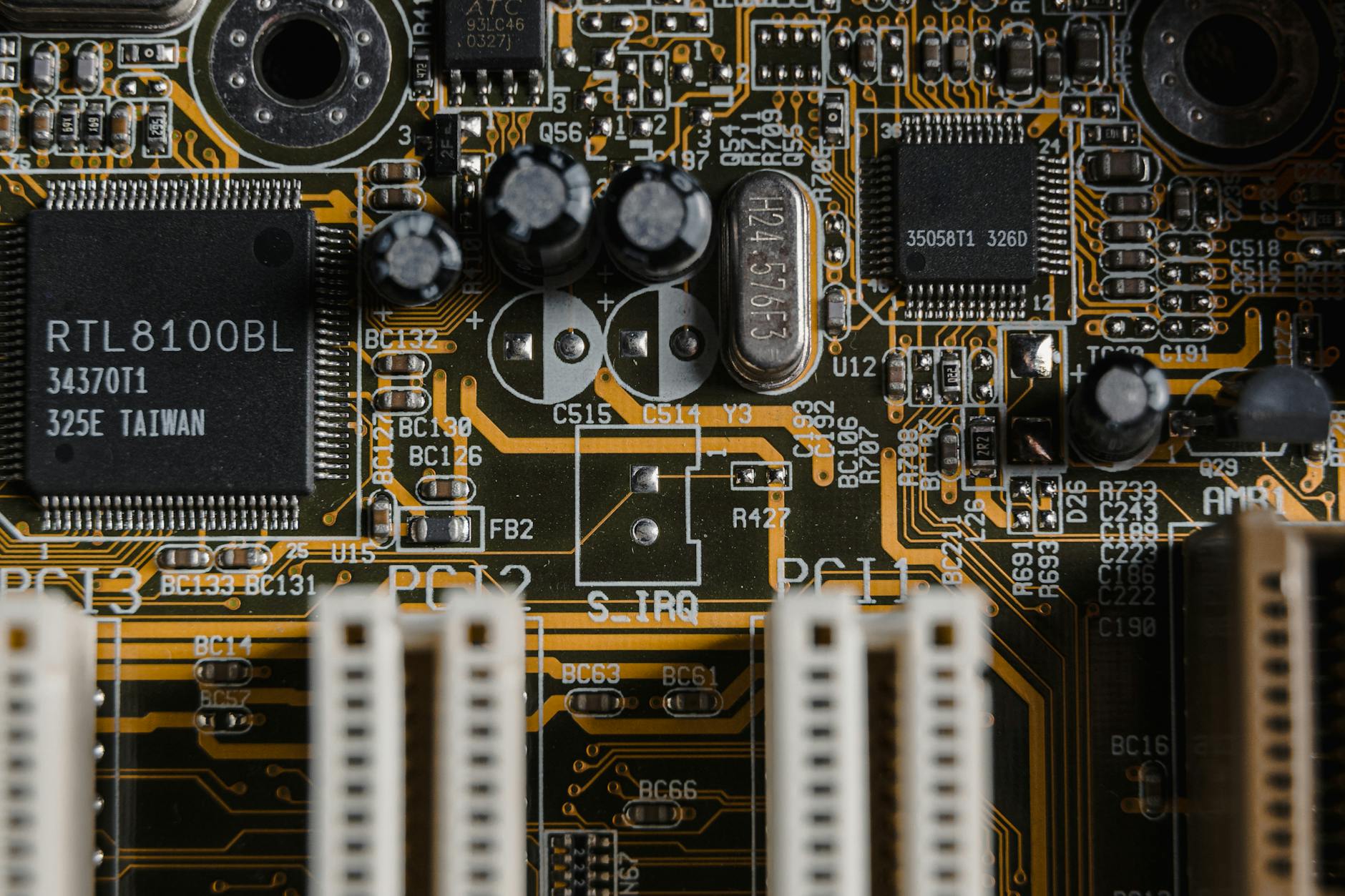
These adjustments come amidst a broader scarcity of memory and storage components across the consumer electronics sector. Memory manufacturers have prioritized production for AI data centers, reducing the availability of chips for gaming hardware. This shift in supply allocation has created bottlenecks that affect console assembly lines globally.
RAM and flash memory chips are currently in short supply primarily because of intense demand from artificial intelligence data centers. Manufacturers like Kioxia have stated that their production capacity is sold out through the end of 2026. Consequently, ramping up additional manufacturing capacity remains a slow process due to the complexity of chipmaking.
Market Implications
Historically, game console price cuts have become less common over the course of the 2010s and into the current decade. Consoles like the five-year-old PS5 are now historically expensive compared to older consoles at similar stages in their lifespans. This trend indicates a shift in how hardware margins are managed during the mid-cycle of a platform generation.
In 2025, Microsoft and Nintendo also announced price increases for one or more consoles throughout the year. Those previous adjustments were driven more by the Trump administration tariffs on imported goods rather than component shortages. This latest move suggests a transition from policy-driven costs to genuine industrial supply constraints.
The situation is unlikely to improve any time soon, barring a major shift in demand from the AI industry,according to the analysis reported by Ars Technica.
Chipmakers can be slow to ramp up production because they do not want to end up with a glut of memory they cannot sell if market conditions change. The complexity of the semiconductor supply chain means it takes months or years to increase output effectively. This inertia ensures that high prices will probably stick around for the foreseeable future.
Consumers should prepare for sustained pricing pressure as the AI boom continues to consume available hardware resources. The short-to-medium term outlook for gaming hardware affordability remains challenging for the average buyer. Industry observers expect these price levels to persist until memory production significantly expands beyond current commitments.
Ultimately, this price adjustment reflects the intersection of gaming demand and the broader infrastructure needs of the technology sector. As the industry balances consumer electronics with AI acceleration, hardware costs will likely remain volatile. Buyers may need to wait for the next generation of consoles to see more competitive pricing structures.
Sony continues to navigate these economic headwinds while maintaining its position in the competitive gaming market. The company must balance component costs with consumer expectations as the PS5 lifecycle matures. Future announcements will likely focus on software value rather than hardware price reductions.