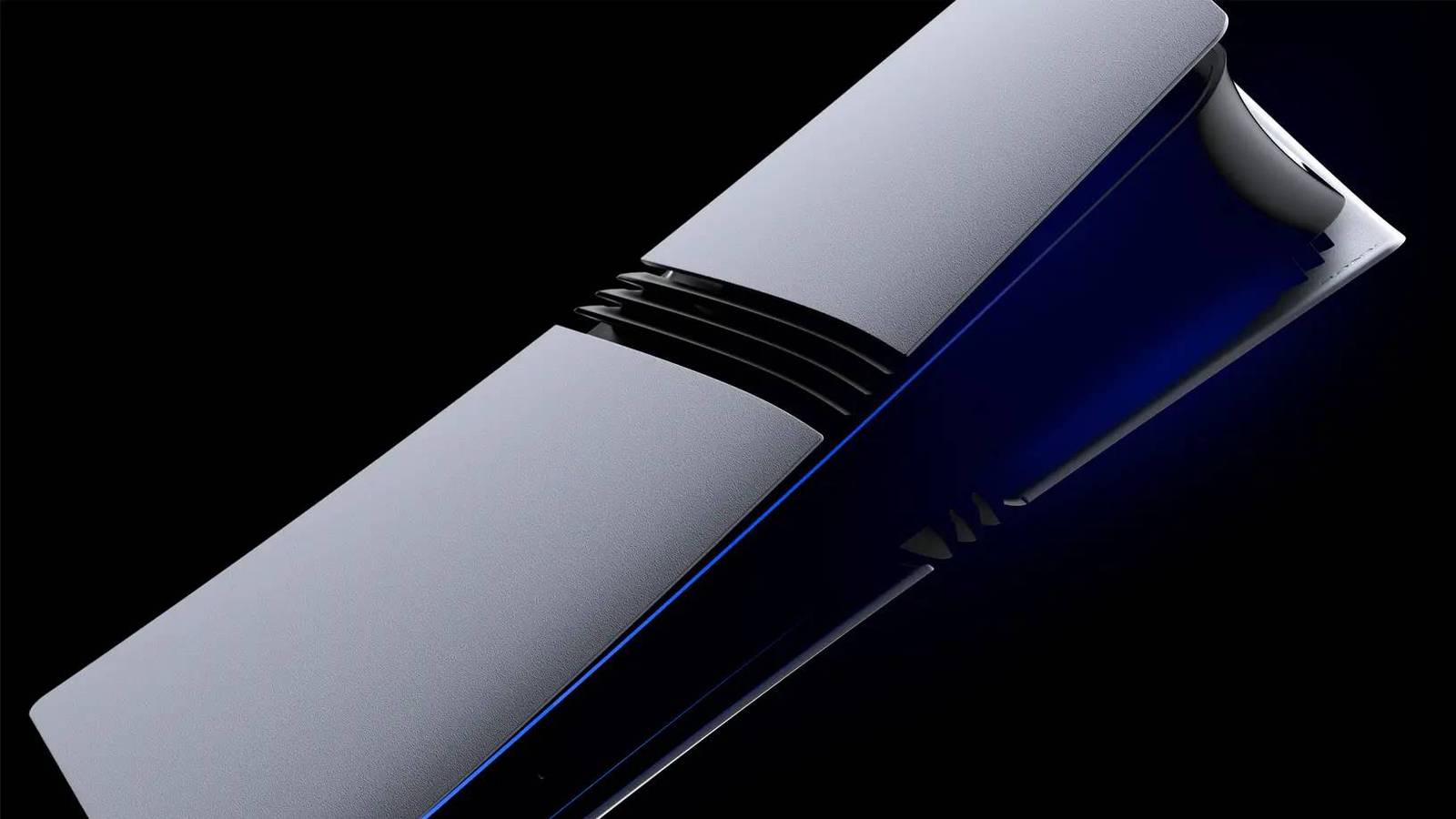
Sony Interactive Entertainment confirmed that its entire PlayStation product lineup will see a price increase effective April 2. Depending on the specific model, consumers face an additional cost of $100 or more for the hardware immediately. This announcement has triggered an immediate surge in demand as buyers attempt to secure units before the deadline passes. The timing coincides with a period of heightened inflation affecting global electronics markets.
Retailers are reporting significant inventory depletion, particularly for the higher-end PlayStation 5 Pro model nationwide. GameStop, a major vendor, updated pricing for used consoles, creating a situation where pre-owned units exceed the cost of brand-new stock. This pricing anomaly has accelerated the frenzy among potential buyers looking for value in a tight market. Store employees claim some locations sold out of stock within hours of the pricing announcement.
"Just panic bought my PS5 Pro," a user wrote in a thread full of commenters saying they did the same. The consensus suggests this urgency is widespread among gamers across various platforms.
Major retailers like Target and GameStop have seen stock thin considerably following the news and subsequent rush. While not entirely sold out, availability is often limited to only a single unit per store location at any given time. Amazon data indicates the Pro model has risen on the bestseller list, outperforming the base version in sales volume significantly. Shoppers report difficulty finding bundles or accessories alongside the consoles themselves.
Some consumers face logistical hurdles when attempting to trade in older hardware for the upgraded console effectively. A gamer based in Washington state reported searching within a 100-mile radius with no success finding stock. These individuals risk losing their current console without securing the replacement needed for trade-in credits. The trade-in promotion has created a paradox where upgrading becomes impossible due to lack of inventory.
Industry Context
This situation highlights broader pressures within the console manufacturing sector regarding component costs and supply chain stability. According to Polygon, worsening memory shortages may drive further pricing adjustments from major manufacturers globally. Sony faces the challenge of balancing affordability with rising production expenses during this volatile economic climate. Industry analysts suggest these trends will likely continue into the next generation of hardware releases. Semiconductor pricing often dictates market power in this space.
The current buying patterns suggest consumers prioritize ownership over cost savings when upgrades are imminent. Many reason that paying a premium now avoids the risk of complete unavailability later on the market. This behavior mirrors previous launch cycles where scarcity drove immediate market action among enthusiasts. The urgency has shifted purchasing habits from planned spending to immediate acquisition.
Observers note that these price hikes could impact the competitive landscape for rival gaming platforms. Both Nintendo and Microsoft users may face similar pressures as hardware costs stabilize at higher levels across the board. The industry appears to be entering a phase where frequent price increases become standard for new releases. Long-term implications for consumer spending power remain a key concern for the sector. Investors are watching closely to see if demand remains resilient despite the added financial burden.