Roblox is officially returning to the word "games" to describe its platform content, reversing a rebranding effort that began during the 2021 Epic Games v. Apple legal battle. The company spent years replacing the term with "experiences" across its website and mobile applications to distance itself from traditional gaming definitions.
"Over time, we’ve learned that ‘experiences’ isn’t an intuitive term for many parents, older players, and game developers," Roblox spokesperson Juliet Chaitin-Lefcourt told The Verge. "‘Games’ is clearer and better reflects what Roblox is and where we’re going."
A strategic pivot in terminology
The original shift to "experiences" was a calculated move during the peak of the Epic v. Apple trial. Apple executives argued in court that Roblox should not be categorized as a game, as such a classification could have forced the company to comply with strict App Store regulations that threatened its business model. By framing its platform as a collection of 3D immersive spaces rather than games, Roblox successfully navigated these regulatory hurdles.
However, the industry-wide push toward "metaverse" branding has cooled significantly since 2021. Major tech players, including Meta, have scaled back their metaverse investments as the concept failed to gain mass-market traction. This shift in market sentiment appears to have given Roblox the confidence to abandon the forced terminology.
While the company continues to use "experiences" in some areas, such as its official App Store description, the shift back to "games" is increasingly visible. The main Roblox homepage now features a dedicated section for "standout games," and various developer-facing resources have updated their documentation to reflect the change.
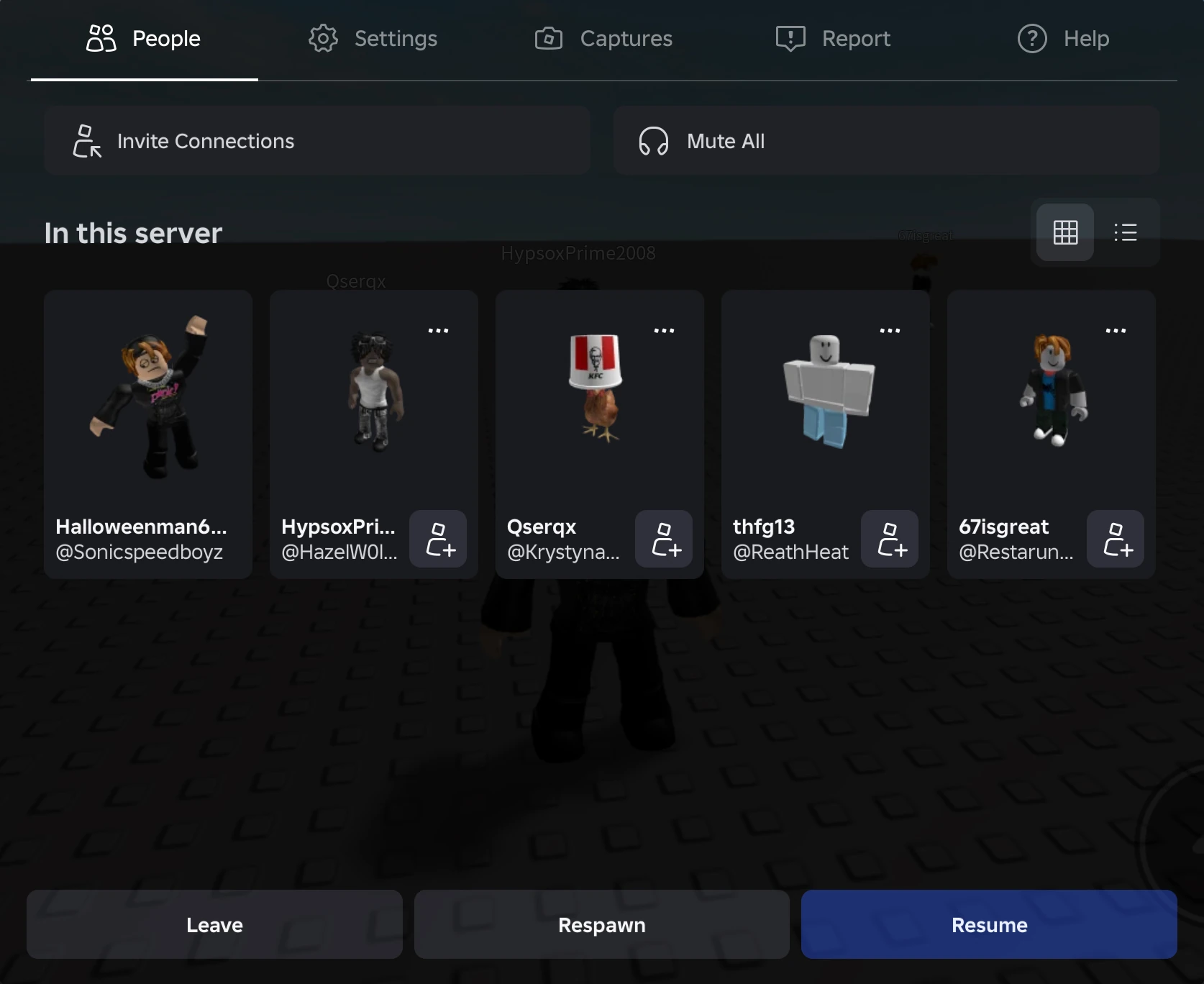
This is not the only recent nomenclature reversal for the company. Roblox previously rebranded its "friends" list to "connections" in early 2025, but that change was also short-lived. The company has since reverted to the original "friends" terminology, suggesting a broader internal push to prioritize user-friendly language over corporate branding initiatives.