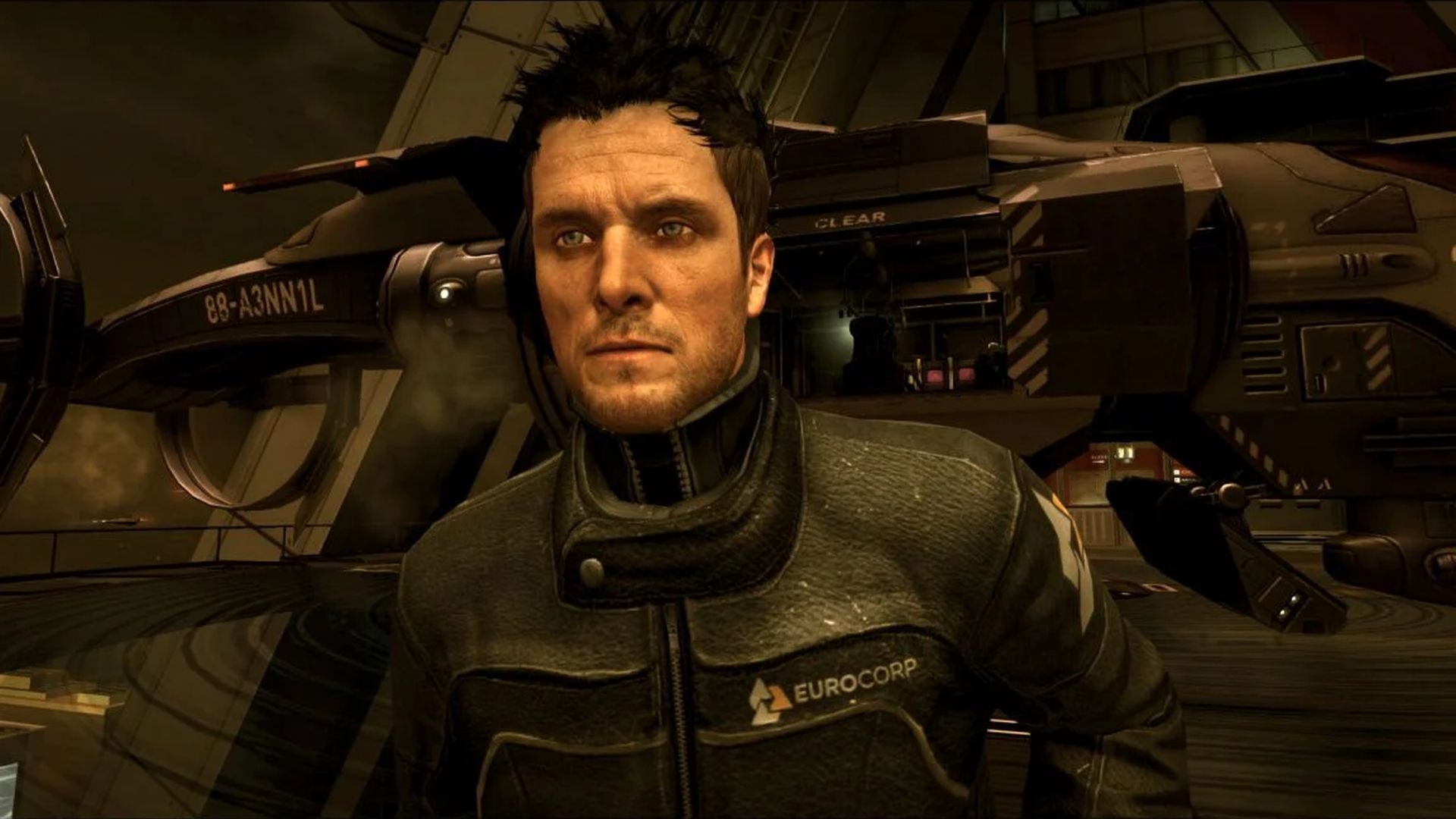
Jeremy Peel of PC Gamer released a detailed retrospective piece examining the legacy of the 2012 Syndicate reboot. The article analyzes whether PC gamers correctly rejected the title upon its initial release in 2012. It argues that the game deserves a second look despite the hostile launch environment and early criticism from the community.
In 2012, mainstream publishers sought to adapt beloved strategy licenses into first-person shooters for broader appeal. EA and Take-Two attempted to transform classics like XCOM and Syndicate for a wider audience. Many fans viewed these projects as disrespectful reimaginings rather than legitimate expansions of the original IP.
Development Challenges
Starbreeze developed the title under the guidance of veterans from The Darkness and Escape from Butcher Bay. The studio hired Michael Wincott to provide the voice of the primary antagonist, Merit. Wincott's performance contributed significantly to the game's atmospheric tone and character depth.
The narrative frames a world dominated by massive conglomerates that have effectively replaced nation-states. Players embody agents resolving disputes between corporations with lethal force and impunity. This setting mirrors modern concerns regarding corporate power and antitrust laws in the technology sector.
"It's a very challenging, hardcore shooter game," EA partners exec producer Jeff Gamon told Eurogamer in 2011.
Development challenges left scars on the final product, yet traces of brilliance remained for critics. Many veterans left to found MachineGames, which later created Wolfenstein series titles. The game shares pacing similarities with those future titles and their narrative focus.
Enduring Legacy
Critics argue the game suffers from linear design and excessive difficulty that alienates casual players. EA executives described the experience as very challenging and traditional for the genre. Modern standards for player agency were often missing in these confined spaces.
Despite the initial backlash, the disappointment spurred new strategy developments in the industry. Bullfrog veteran Mike Diskett founded Satellite Reign as a spiritual successor to the original. This title regained the tactical depth fans originally desired from the franchise.
The retrospective concludes that the FPS reboot is easier to appreciate in hindsight today. It stands as a unique artifact of a specific era in gaming history and design. The industry has since moved past the desire to force strategy games into shooter formats.