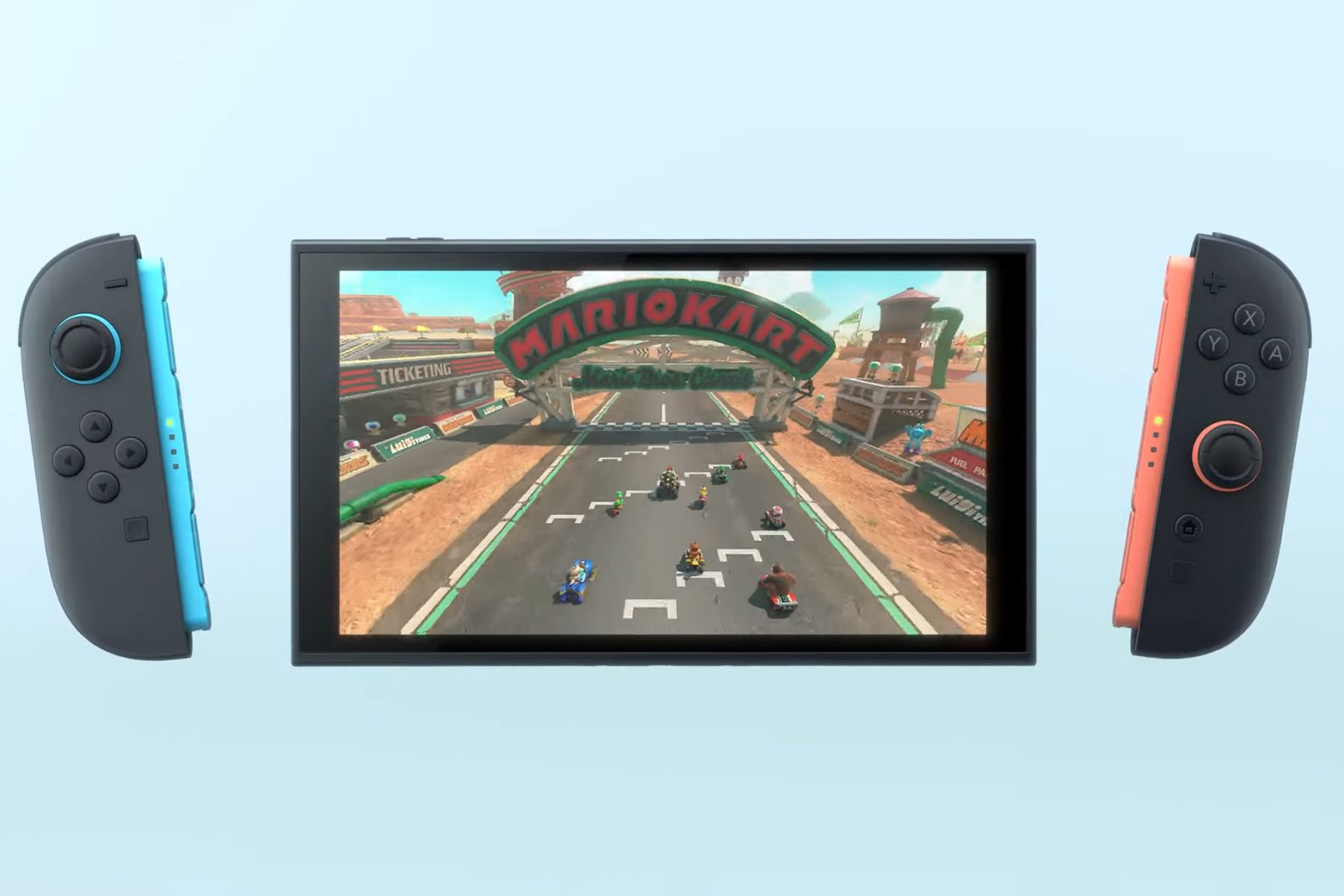
As the only one of the three major console manufacturers to keep its current-generation hardware prices steady, Nintendo is now facing unprecedented cost pressures. With global supply chain volatility intensifying, analysts believe the Switch 2 is unlikely to maintain its initial target retail price of $450.
Sean, a former Nintendo sales executive, noted on a podcast that a hardware price hike has become inevitable. He suggests that Nintendo’s recent move to lower the price of digital games is actually a strategic maneuver to soften the blow of future hardware price increases, aiming to mitigate potential consumer backlash.
External Factors Reshaping Pricing Logic
A confluence of economic pressures is forcing Nintendo to re-evaluate its pricing strategy. Sean pointed to U.S. tariff policies, the surge in memory chip shortages driven by the AI industry, and rising oil prices stemming from the situation in Iran as the core drivers of this cost crisis.
“Helium is a byproduct of oil production and an essential raw material for semiconductor manufacturing,” Sean explained. Because semiconductor production is highly dependent on helium, oil price fluctuations directly drive up the manufacturing costs of silicon wafers, which in turn impacts the production costs of all hardware, including game cartridges.
While Nintendo can offset some of this pressure through diversified revenue streams—such as theme parks, merchandise licensing, and film production—Sean believes the current external environment is no longer something the company can easily weather. “This is a predicament Nintendo has never faced before; multiple external forces are compelling them to change,” he said.
Currently, Nintendo is engaged in legal proceedings with the U.S. government regarding tariff issues. However, the explosive demand for computing resources and memory chips fueled by AI technology is expected to continue driving up the barriers to hardware manufacturing for the foreseeable future.