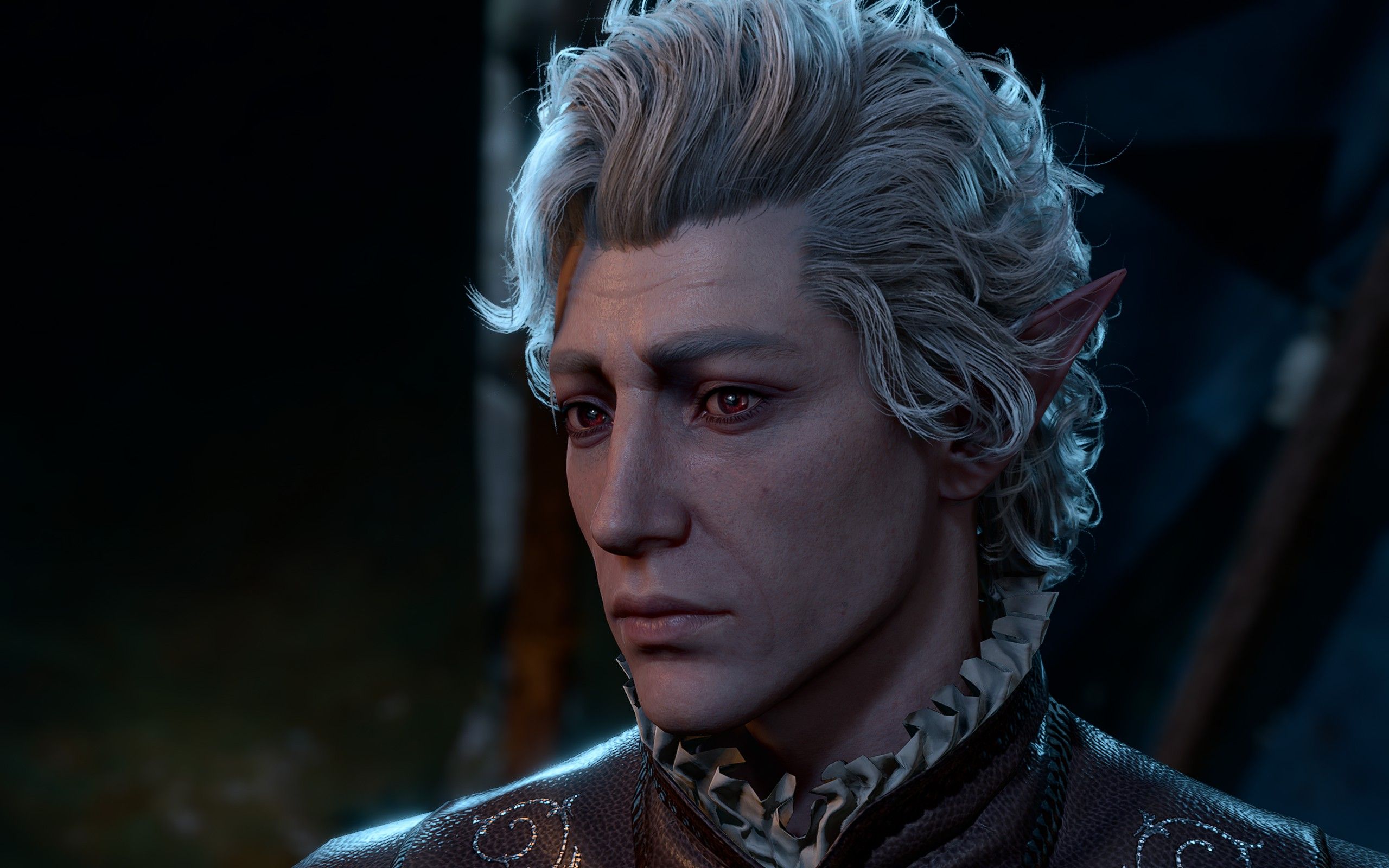
Neil Newbon, the acclaimed voice actor behind Astarion in Baldur's Gate 3, has stated he is actively avoiding roles similar to his breakout character. He argues that repeating the same performance style leads to artistic stagnation for the medium. This decision comes shortly after receiving multiple awards for his work with Larian Studios.
In a recent interview with PC Gamer, Newbon discussed his creative philosophy while referencing the legendary musician David Bowie. He noted that Bowie understood how extreme repetition breeds stagnation as an artist within the industry. Newbon adopted this mindset to ensure his career remains dynamic and challenging over time. He believes this approach keeps his work fresh for audiences who expect innovation.
The actor explained that he declined several recent opportunities not because the projects were poor, but because the characters mirrored Astarion too closely. He stated that he did not feel he could offer anything new to a role that already exists in his portfolio. This choice prioritizes creative growth over immediate financial gain or recognition following his award-winning performance.
Newbon clarified that his concern focuses on the character archetype rather than the specific timbre of his voice. He noted that fans often request the same personality traits rather than just similar vocal patterns. This distinction highlights the nuance required in modern performance capture and voice acting.
This stance aligns with comments he made during a separate conversation with YouTuber Luality last year. Back then, he expressed a desire to play Astarion again but not to emulate that persona elsewhere. Such consistency suggests a deliberate strategy for long-term career management in the gaming sector.
Typecasting frequently benefits actors financially, yet it often restricts their creative range and professional evolution. Many voice performers struggle to break away from iconic roles after achieving massive commercial success. Newbon prioritizes his craft over the comfort of familiar character archetypes. Industry standards are shifting as performers demand more variety.
The actor is currently working on distinct projects like Starfinder: Afterlight to showcase his versatility. His role in the upcoming title involves a religious space insect rather than a charismatic vampire. This demonstrates a deliberate shift toward diverse character designs and genres.
The gaming industry relies heavily on performance capture and voice acting talent to drive immersion in virtual worlds. Actors like Newbon set a precedent for demanding varied roles following blockbuster releases and critical acclaim. This approach could influence casting decisions for future high-profile role-playing games significantly.
Future developments will determine how studios adapt to these artist-driven preferences regarding role selection. Industry observers note that top talent often dictates workflow terms after critical acclaim in the market. Newbon sets a standard for performance artists in digital media today.
The focus on artistic integrity suggests a maturing approach to career management in the entertainment sector. Actors are increasingly viewed as partners in storytelling rather than mere voice providers for digital products. This shift could redefine value in the global gaming industry moving forward.