The Legacy of Slumberland
The indie title Little Nemo and the Guardians of Slumberland launched on Tuesday, offering a stark tonal contrast to its 1989 animated predecessor. According to a review by PC Gamer, the game serves as a delightful palate cleanser for players seeking less punishing platforming experiences. The project was funded through a modest Kickstarter campaign, demonstrating the viability of niche indie projects in the current market.
Design Philosophy and Gameplay
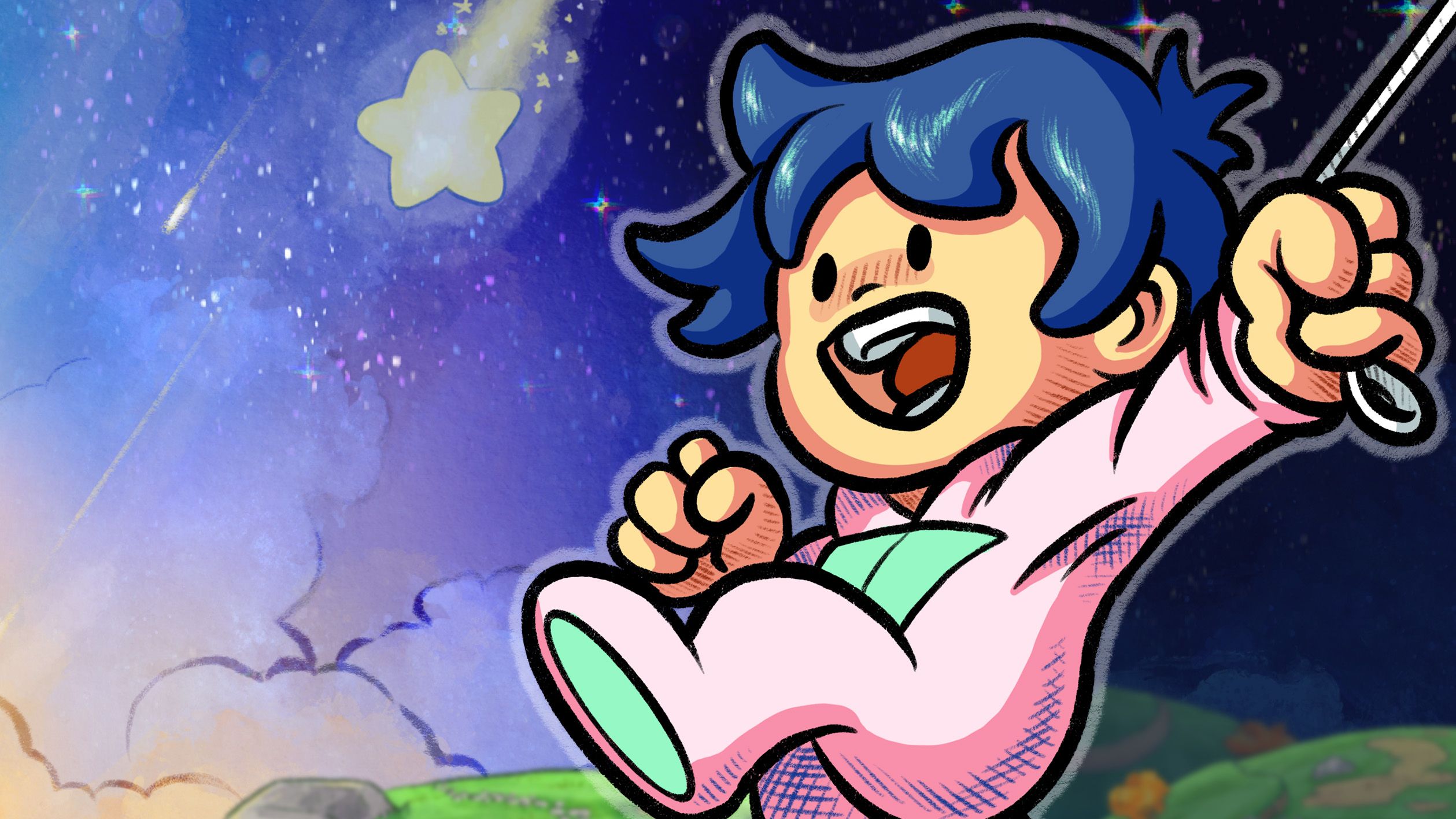
Unlike the original film which featured nightmares and terrifying voids, this new iteration focuses on pure joy and whimsical exploration. Nemo remains a smiling boy who travels through dreamland, where beds serve as welcome checkpoints rather than traps. The art style reimagines pixel art from the Super Nintendo era as living illustrations, reminiscent of Wario Land: Shake It! and Cuphead.
Market Implications
Although the game pulled in only $80,000 on Kickstarter, it punches far above its weight class regarding quality and reception. This success mirrors the trajectory of Hollow Knight, which also began as a modest 2014 Kickstarter project with similar artistic ambition. Both titles prove that high-fidelity indie games can compete with major studio releases without massive budgets.
Game Design and Difficulty
Nemo is deliberately softer and more rounded than Hollow Knight, prioritizing accessibility over punishing precision. Players have three hit points on the harder difficulty, yet the world feels far less threatening than the Hallownest setting. Autosaves preserve every accomplishment, and losing collected items upon death does not require a runback to the last checkpoint.
The Juice Factor
The team behind the title worshipped at the altar of juice, adding bouncy animations that make the game feel good to play. This specific design element distinguishes the experience from standard platformers that focus solely on combat mechanics. Menu sound effects and character movements provide the small flourishes that define quality game design.
Player Experience
Reviewer Wes noted that the stakes remain low, making it a truly delightful change of pace for the genre. Accessibility options are generous, ensuring that trying again remains quick and frustration-free for all skill levels. While the first boss hints at future challenges, the initial hours cater to players seeking a relaxed experience.
Industry Context
Many players struggled to finish Hollow Knight: Silksong due to its punishing bosses, creating a demand for lighter alternatives. This release fills a gap in the market for games that prioritize exploration over difficult combat encounters. The genre is increasingly defined by precision platforming, yet this title offers a breath of fresh air.
Future Outlook
The success of Little Nemo suggests that indie developers can still find success with unique art styles and nostalgic mechanics. As the industry evolves, smaller teams may continue to leverage Kickstarter to fund high-quality, niche experiences. Developers should watch for how this title influences future metroidvania design trends.