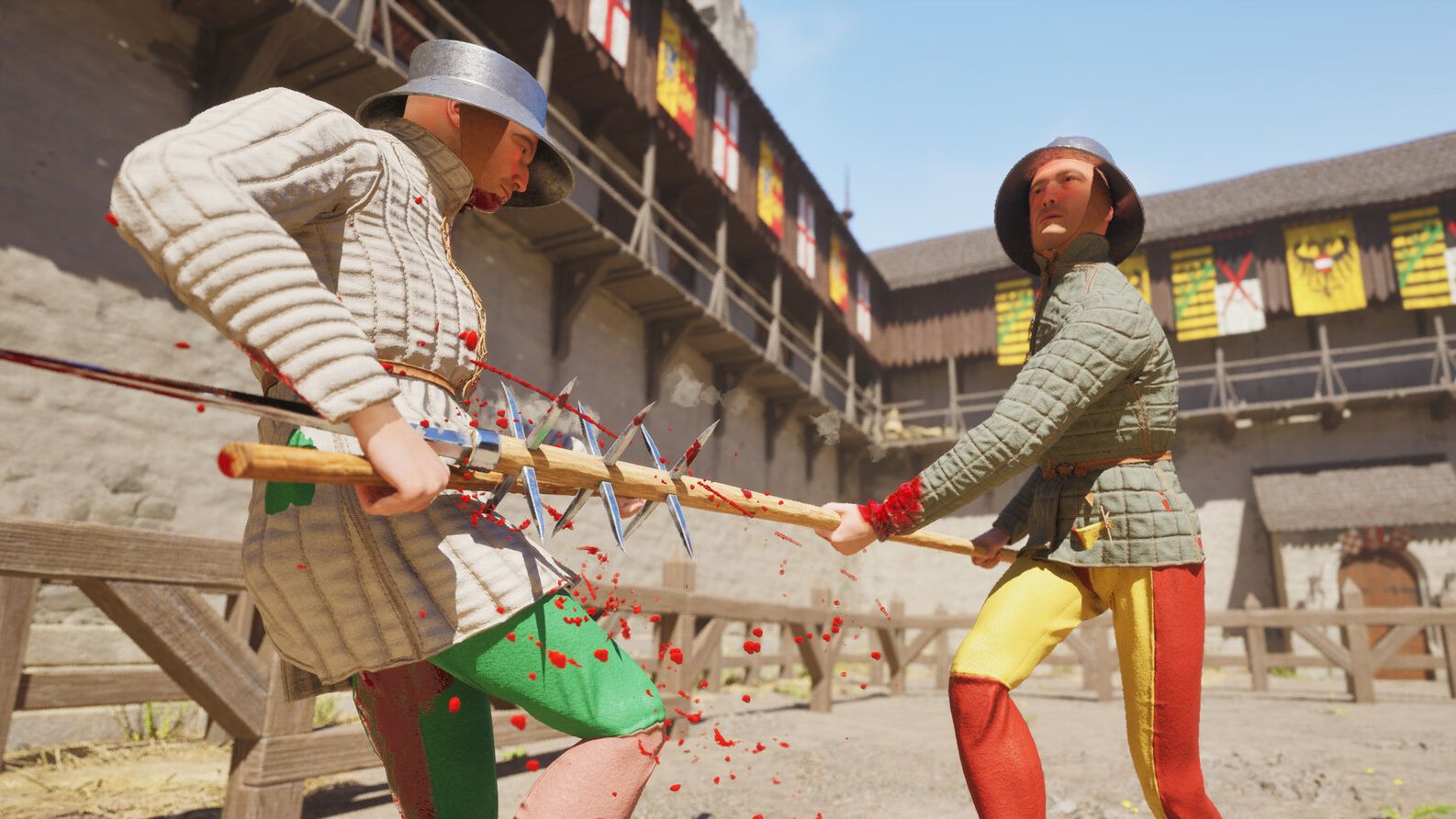
Half Sword Games addressed player concerns following a Mixed review rating on Steam for its Early Access title. The developer acknowledged discrepancies between the current build and the viral tech demo from last October. This communication aims to clarify expectations regarding combat mechanics and feature availability for the medieval dueling simulator.
Steam Next Fest last October featured a playable snippet that became the most popular playable content of the showcase. Players flocked to the demo for its elastic, haphazard duels where weapons threatened both combatants simultaneously. The alpha release in January attracted a large audience, yet the response has been divided regarding significant gameplay changes.
The main problem cited by users involves combat that feels harder to grapple with and causes frequent ragdolling incidents. Some reviews claim the system is much easier to send the character into a flailing state compared to the initial demo experience. These grievances form the core of the negative sentiment currently affecting the store page for the title.
The development team states the tech demo was based upon a much older version of Half Sword released previously. They note that locomotion and combat systems have changed significantly since the project branched into Early Access mode. Every new procedural animation introduces variables that must be tested and rebalanced during the ongoing development process.
"An improvement in the controls on our end can sometimes feel like a massive change for players," the Half Sword team wrote in a recent Steam post. They clarified that the demo was created to showcase early core mechanics rather than the final product. This distinction explains why the current implementation differs from initial viral impressions held by the community.
Players also noted that the Early Access trailer displayed features not included in the initial build available on launch. The team admitted the trailer was not intended to showcase everything available on day one of Early Access participation. They stated they wanted to tease a little with what is to come in the future development roadmap.
On the subject of technical issues, the team says that their main focus has been performance and optimisation efforts. When new issues appear after updates, the developers work to identify and address them as quickly as possible. This commitment suggests stability remains a priority alongside gameplay evolution for the simulation title.
Early access is often a learning experience for both developers and players in the broader gaming industry context. Having everyone go buck wild for an old, unfinished demo puts the developers in a tricky position regarding reputation management. Showcasing features in marketing that are not in the actual launch version is generally unwise for studios.
Combat balance and weapon handling will continue to evolve as new features are added to the title. Those additions will naturally require further adjustments to the existing systems according to the developer roadmap. Half Sword Games has time to win players around during this development cycle.
The situation highlights the challenges of managing community expectations during the transition from tech demo to product. Developers must balance creative evolution with the static memory of viral marketing moments that set high standards. Future updates will determine if the player base returns to positive sentiment on the platform.