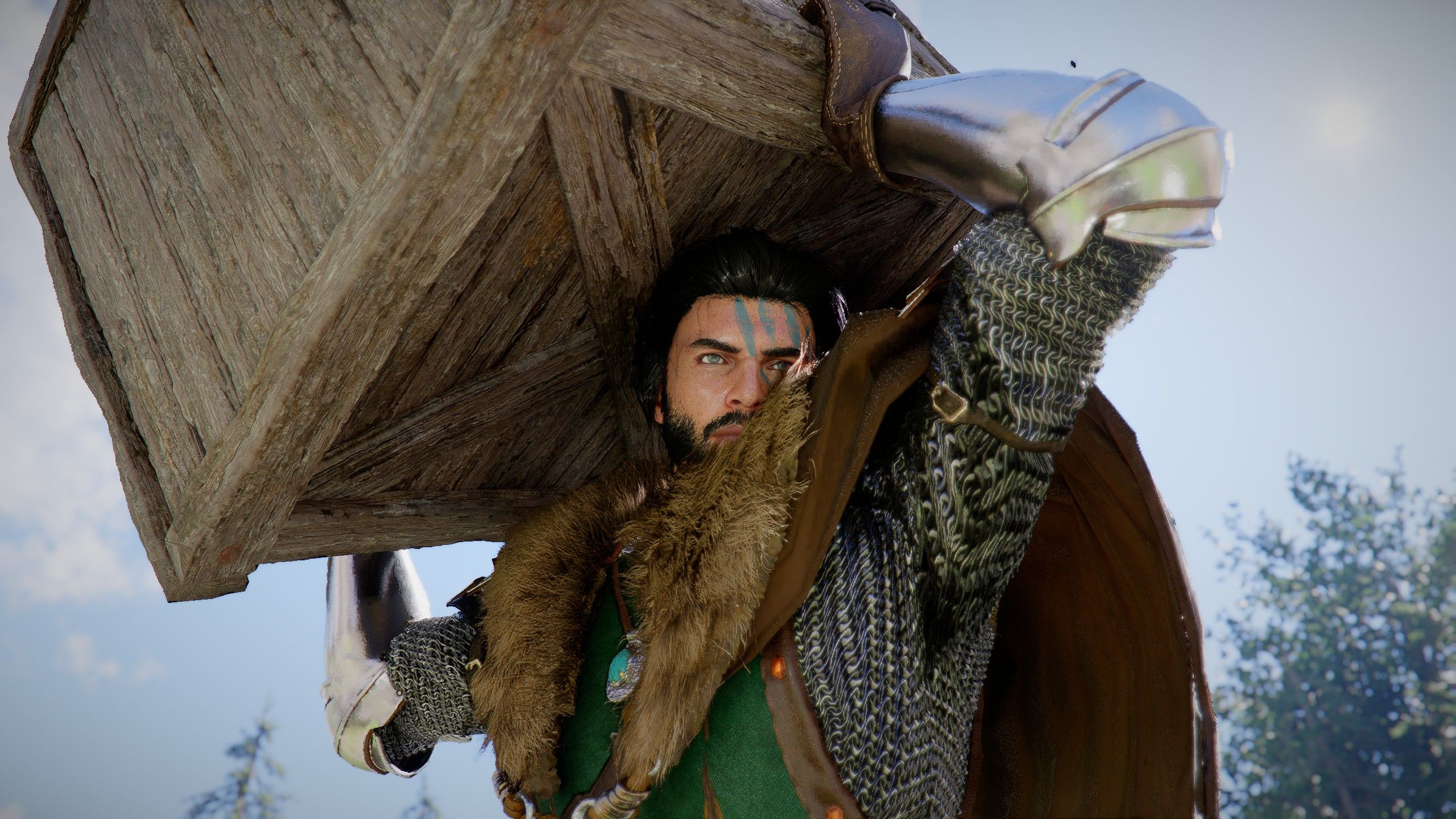
Alec Newman, the voice actor behind the protagonist Kliff, recently detailed narrative struggles during the development of Crimson Desert. Speaking on the Skill Up podcast, Newman revealed he spent five years recording lines for the action role-playing title. According to a report by PC Gamer, the experience highlighted significant challenges in maintaining story cohesion over such a long period.
Recording Timeline
The recording process was not continuous but rather occurred on and off for five entire years. Newman admitted that for the first year and a half, he was unaware the project had moved beyond the demo phase. He stated he did not realize the scope had changed until nearly two years into the recording process. This extended timeline suggests a complex production cycle typical of ambitious game development projects.
Writing consistency proved difficult for the development team during the early stages of production. Newman recalled receiving cards detailing different parts of the game world and various faction assignments. He noted that the narrative direction shifted frequently without a clear central goal for the protagonist. These fragmented instructions often left actors without a unified vision for character motivations.
Actor Pushback
The actor emphasized the need for strong foundational writing to support performance across a long duration. He insisted he kept pushing for clarity regarding the character's journey throughout the production.
I just kept pushing and pushing and pushing about story and character as much as I could, and I have to be honest I felt the pressure of a certain type of developer with a certain type of game. I'm glad I fought for that stuff.
He explained that writing serves as the key for actors to understand their roles fully. Without a solid script, delivering consistent character motivations becomes nearly impossible over a long duration. Newman indicated the developers wanted Kliff to care deeply about his comrades rather than remaining stoic.
A specific turning point occurred when the team decided to focus on the Greymanes family theme. This shift happened approximately two and a half years into the project timeline. Newman indicated the developers wanted Kliff to care deeply about his comrades rather than remaining stoic. Despite these improvements, Newman admitted that the emotional moments were fewer than they could have been.
Reviewer Mollie Taylor echoed similar sentiments in her analysis of the game title for PC Gamer. She described the narrative pacing as suffering from pockets of amnesia throughout the experience. Her review highlighted a lack of clear timelines and character motivations that players often encounter. This feedback suggests the final product still carries echoes of the earlier development disarray.
Industry Context
This situation highlights the complexities of managing long-term game development cycles within the industry. Extended production times risk disjointed storytelling if creative direction shifts frequently without oversight. The industry must balance innovation with consistent narrative planning to satisfy audiences effectively. Long development schedules require robust documentation to prevent narrative drift across multiple years.
Consumers expect coherent stories even when gameplay mechanics evolve over extended periods. The experience suggests that voice actors play a critical role in preserving narrative intent during production. Future projects may benefit from earlier narrative alignment to avoid similar cohesion issues.