Bungie has officially released Marathon, a new extraction shooter that is challenging player perceptions of the genre despite widespread fatigue regarding high-stakes looting mechanics. Polygon reports that the title has successfully engaged users who previously dismissed the format due to its punishing difficulty and repetitive nature. This shift suggests a significant maturation in how developers approach the psychological demands of competitive multiplayer environments. The game is currently available for players to test on the Tau Ceti IV server.
The author of the Polygon analysis admitted to a long-standing aversion to extraction shooters following negative experiences with titles like Dota 2 and Escape from Tarkov. These earlier encounters created a barrier where the genre felt inherently hostile and disconnected from the enjoyment typically found in fast-paced shooters. Marathon managed to overcome this resistance by embedding its mechanics within a compelling narrative context that rewards immersion over simple reflexes. The writer now waits impatiently for work to end to load the game.
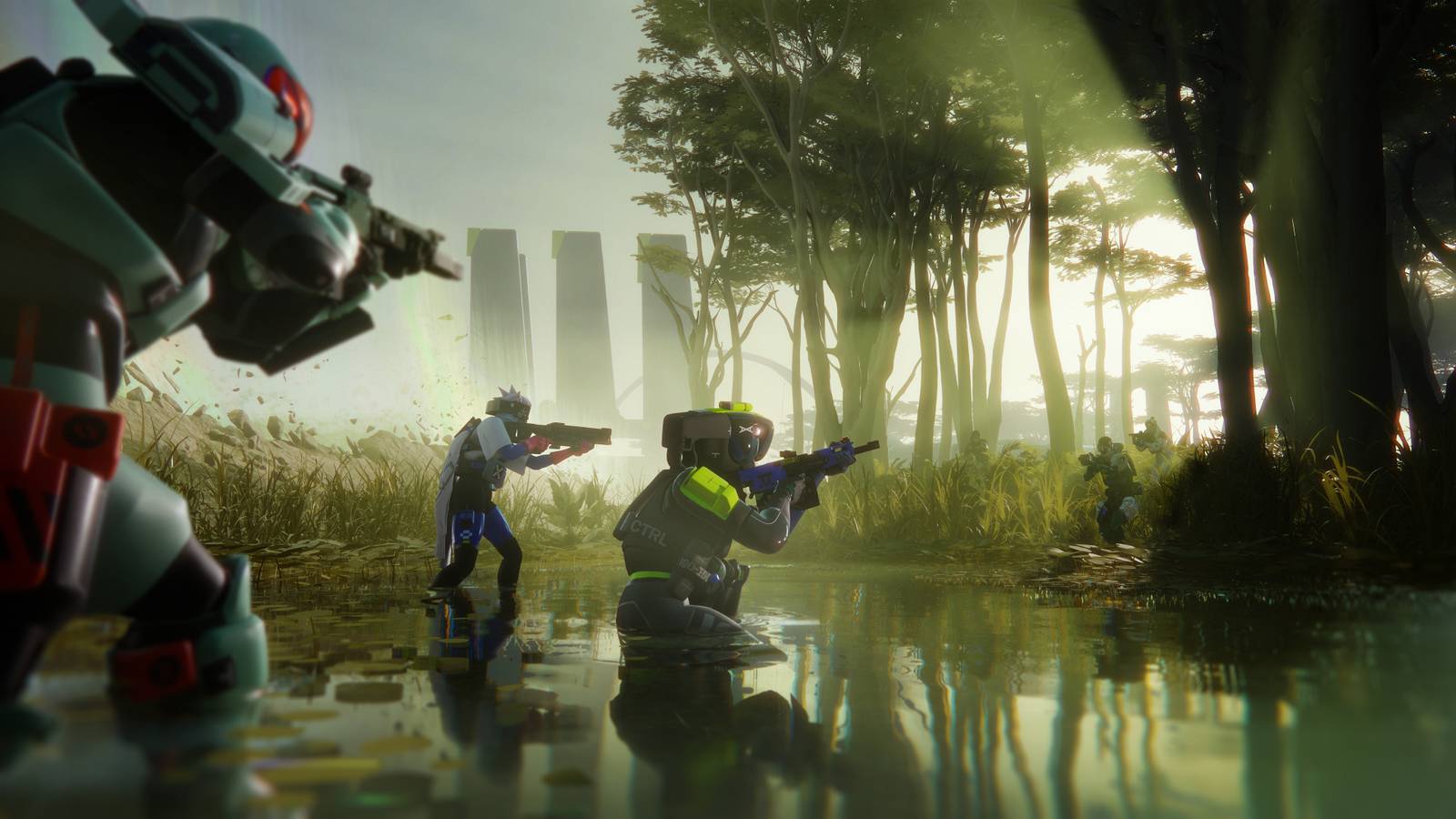
Players assume the role of Runners dispatched to Tau Ceti IV to retrieve materials for warring factions while facing constant threats from robots and rival human players. The core loop involves dropping into a hostile environment, maximizing loot acquisition, and escaping without losing all progress to death. While this structure mirrors other recent hits like Arc Raiders, the social dynamics within Marathon differ significantly from its peers. Every interaction is designed to create tension rather than cooperation between strangers.
Unlike Arc Raiders which fostered communities of peaceful coexistence, Marathon enforces a default state of hostility where enemies kill on sight without negotiation. This design choice is not accidental but rather a calculated strategy to guide players toward aggressive behavior as the primary method of progression. The game explicitly discourages mercy, framing survival as a zero-sum game where resources are the only currency that holds value. Players must choose between safety and profit in every single encounter.
Progression relies heavily on completing contracts for faction vendors that often require players to ruin the day of another participant to succeed. Tasks include finishing off downed foes rather than allowing them to crawl away, which nets rewards like new guns or credits for skill trees. This mechanic reinforces the idea that credits are more valuable than human life within the game's corporate dystopia setting. An overflowing vault becomes a status symbol for successful mercenaries.
ReaderGrev analyst Mikhail Kimentov identified the title as a darkly comedic satire of the modern gig economy and the desperation inherent in survival work. The game forces players to confront the lengths they will go to in order to survive, mirroring real-world pressures to maximize income at the expense of ethics. This narrative grounding provides the necessary motivation for players to endure the stress of losing valuable gear in every run. It turns the grind into a commentary on labor.
The author noted that the magic trick of design lies in making the pretend play meaningful rather than just a cyclical loop of looting and dying. By embracing the role of a Runner in a hostile world, the player begins to feel the anxiety underpinning the action and the resentment of being a cog in a machine. This simulation helps deconstruct real-world economic resentment through specific game design terms and mechanics. The experience resonates with anyone who has felt undervalued in a corporate structure.
A specific incident where an attacker risked their own life to finish off a downed player highlighted the psychological impact of these ruthless design choices. The author later realized this attacker might have been fulfilling a similar contract, creating a moment of unexpected empathy for a virtual adversary. This interaction demonstrates how the game successfully blurs the line between player agency and programmed obligation. It forces players to question their own morality in a digital space.
The community currently waits for a potential shift where players might rebel together instead of killing one another, though this requires a drastic change to the live service model. Catharsis remains hard to come by in a system built to slow-fade rather than crescendo, limiting the potential for organic social rebellion. Bungie continues to refine the experience based on player feedback and engagement metrics. The developers must balance aggression with long-term retention strategies.
Future developments will likely focus on how the game balances its aggressive core loop with long-term player retention in a crowded market. The success of Marathon could influence how other extraction shooters approach narrative integration and economic satire in their own updates. Industry observers will watch closely to see if this design philosophy becomes a new standard for the genre. The trajectory of the title will define the next phase of competitive gaming.