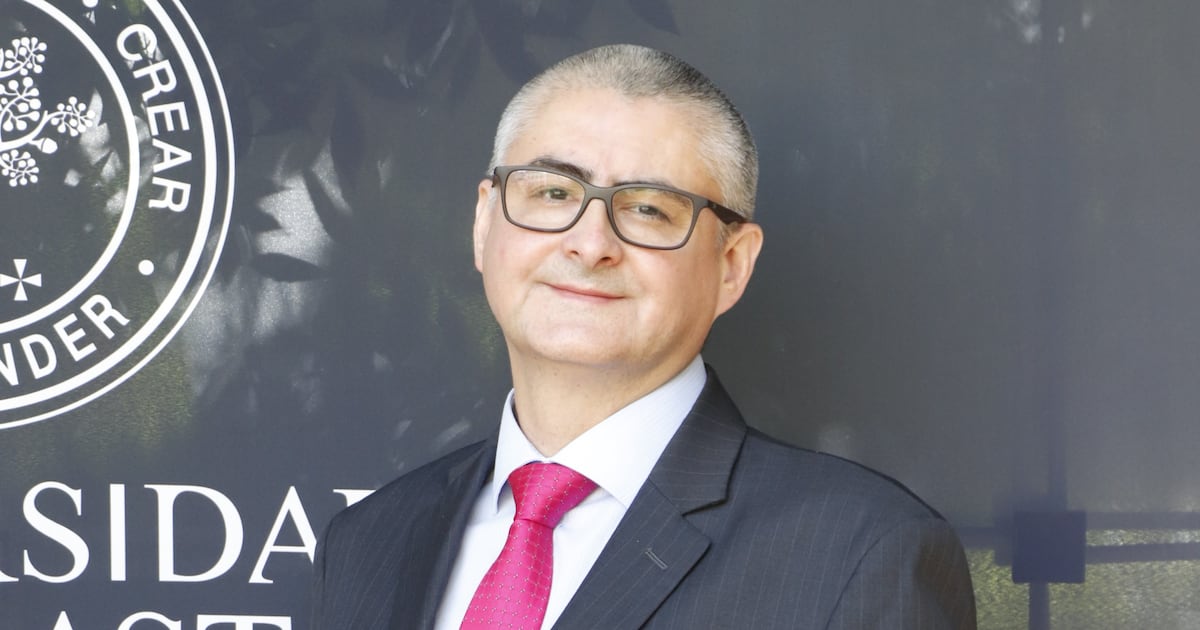
A 53-year-old former banking executive has successfully completed two engineering degrees and a master's degree at the Universidad San Sebastián in Chile. The professional completed the rigorous academic path in seven years while maintaining a full-time career in the financial sector. This achievement highlights the growing flexibility of Chilean higher education institutions to accommodate adult learners seeking career advancement.
The individual spent 25 years working in the banking sector, holding senior positions at major institutions like Banco de Chile and BancoEstado. His initial career began with a technical degree in Risk Prevention before advancing to operational management roles within large corporations. Despite a stable profession and high-level responsibilities, he sought to formalize his university education later in life. He had long harbored academic ambitions despite the demands of his professional life.
In 2018, the professional enrolled in the Advance program, a modality designed to validate prior knowledge and professional skills for credit transfer. Classes occurred only three times a week during evenings and nights to accommodate standard office schedules for working students. Participants could potentially complete the Industrial Engineering degree in two years under this accelerated structure. The program structure allowed for convalidation of technical knowledge from previous studies.
He earned his first degree with academic excellence in 2020, followed by a second title in Civil Engineering in 2022 without interruption. The following year, he completed a master's degree in Industrial Engineering while continuing to work full-time. This rapid progression occurred while he managed significant family responsibilities and maintained his banking career. His timeline remained consistent with the initial enrollment agreement.
University officials recognized his dedication, with the director noting the critical need for individuals with similar drive and professional experience. The academic leadership offered him a position as a professor in three courses immediately after his graduation from the master's program. He subsequently resigned from the banking sector to focus on education and project evaluation for students.
This case reflects a broader shift in Chilean labor markets where continuous learning is becoming essential for career longevity and adaptability. Traditional age barriers in academia are increasingly yielding to competency-based models that value real-world experience alongside theoretical knowledge. Such programs allow older workers to pivot industries without sacrificing income or stability in their lives. Furthermore, it challenges cultural perceptions regarding education for mature populations in the region. The narrative suggests that age should not be a barrier to professional growth.
The success of the Advance program at Universidad San Sebastián suggests viable pathways for professional upskilling across the region. Similar initiatives could help address skill gaps in the Chilean economy by retaining experienced workers who seek new qualifications. The model demonstrates that adult education can remain rigorous while offering necessary schedule flexibility for participants. Educational institutions should analyze this case for potential replication in other sectors. This approach could drive economic resilience through a more skilled workforce.
Economic analysts suggest that lifelong learning initiatives are critical for maintaining competitiveness in a rapidly evolving digital economy. Workers over 45 often face discrimination in hiring, yet this profile proves their capacity for high-level academic tasks and innovation. Universities serving this demographic may see increased enrollment in specialized programs designed for mature students. Government support for such programs could amplify their impact on national workforce readiness. These policies are vital for sustaining long-term economic stability.
Looking forward, the professional intends to share his knowledge as an educator rather than returning to corporate management roles. His transition underscores the potential for career reinvention at any life stage within the modern workforce. Educational institutions may expand these flexible models to meet growing demand from mature students seeking advancement. This shift could redefine the relationship between work and study for professionals in Latin America. It signals a cultural change in how society views aging and learning.
Future developments in Chilean higher education policy could further support non-traditional student pathways and funding mechanisms. Monitoring the expansion of such programs will reveal their impact on national productivity rates and economic growth. The story serves as a case study for workforce development strategies in Latin America and beyond. Policy makers will likely observe these outcomes closely before implementing broader reforms. Continued investment in adult education remains a priority for the nation.