Formula 1 drivers are expressing significant frustration regarding the 2026 technical regulations that resemble video game mechanics. The sport introduced a mandatory speed boost feature intended to aid strategic overtaking and reduce carbon emissions on a global scale. This change has sparked intense debate after a high-speed collision occurred during the Japanese Grand Prix on March 29. Drivers argue the system creates artificial advantages that disrupt traditional racing dynamics and driver skill assessment. The controversy threatens to overshadow the technical achievements of the new engine generation.
New Power Regulations
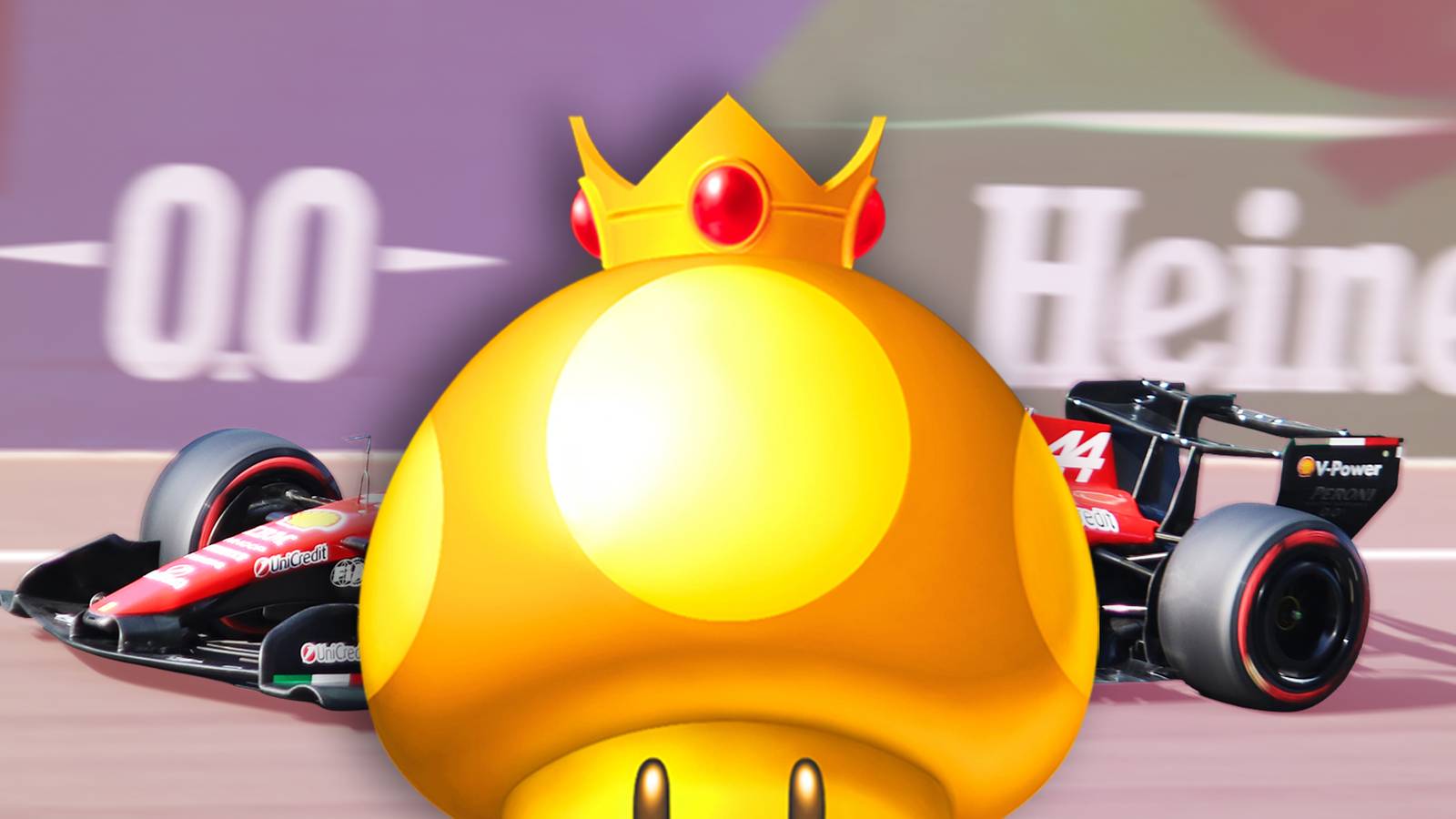
The 2026 rules mandate a strict 50/50 split between internal combustion engines and battery power to meet net zero goals. Drivers must manage energy harvesting during braking and deploy stored power via a dedicated button on the steering wheel. This mechanism functions similarly to a power-up item found in popular racing video games like Mario Kart. Teams must balance aggressive deployment with the need to maintain energy reserves for defensive maneuvers throughout the race. This strategic layer adds complexity but also introduces unpredictable variables during competition that challenge driver consistency. The hybrid systems are designed to reduce emissions, yet the implementation has created new tactical dilemmas for engineers.
Driver Reactions
Leading competitors have openly compared the new technology to arcade-style mechanics rather than serious motorsport. Ferrari driver Charles Leclerc stated on the radio that the system feels like using a mushroom in Mario Kart. Sergio Perez told SkySports F1 that the overtakes feel fake because power availability dictates the outcome. Verstappen noted he is practicing with a Nintendo Switch to understand the mechanics better. These comments highlight a growing disconnect between drivers and the regulatory direction of the sport. The perception of the game has shifted from pure skill to resource management and timing.
"I swapped the simulator for my Nintendo Switch. I'm practicing with Mario Kart, actually," Verstappen told media personnel before the Shanghai Grand Prix.
Concerns reached a peak following the incident at Suzuka involving Haas driver Ollie Bearman and Franco Colapinto. Bearman utilized the full boost to pass Colapinto, but the speed differential proved dangerous for the narrow track. Analysis showed Bearman held an additional 45 kilometers per hour of speed during the specific maneuver. The collision forced Bearman onto the grass before impacting a tire barrier at high G-forces. Drivers later reviewed the footage in the cooldown room to discuss the implications of the crash. Post-race analysis confirmed the significant speed advantage gained from the new energy deployment system. The FIA confirmed no faults were assigned, but noted the overspeed was a factor.
Safety and Strategy
Both drivers avoided fault during the post-race review, but the incident highlighted potential risks to future safety. Bearman stated he felt he was not given enough space due to the excess speed carried during the pass. The FIA will hold meetings to assess the operation of the new regulations during the upcoming hiatus. Team principals are hesitant to blame individual errors given the novelty of the technology. Officials must now weigh competitive excitement against the physical risks to the athletes.
The sport now faces a critical decision regarding the balance between environmental goals and on-track safety standards. Drivers are calling for refinements to the boost system to prevent dangerous speed disparities between competitors. The FIA has acknowledged the need to determine whether any adjustments are required before the next race. This review may shape the future of how power is managed in Formula 1 for the coming years. The outcome will determine if the sport can maintain its reputation for technological leadership. The hiatus provides a window for critical evaluation without immediate risk to the calendar.