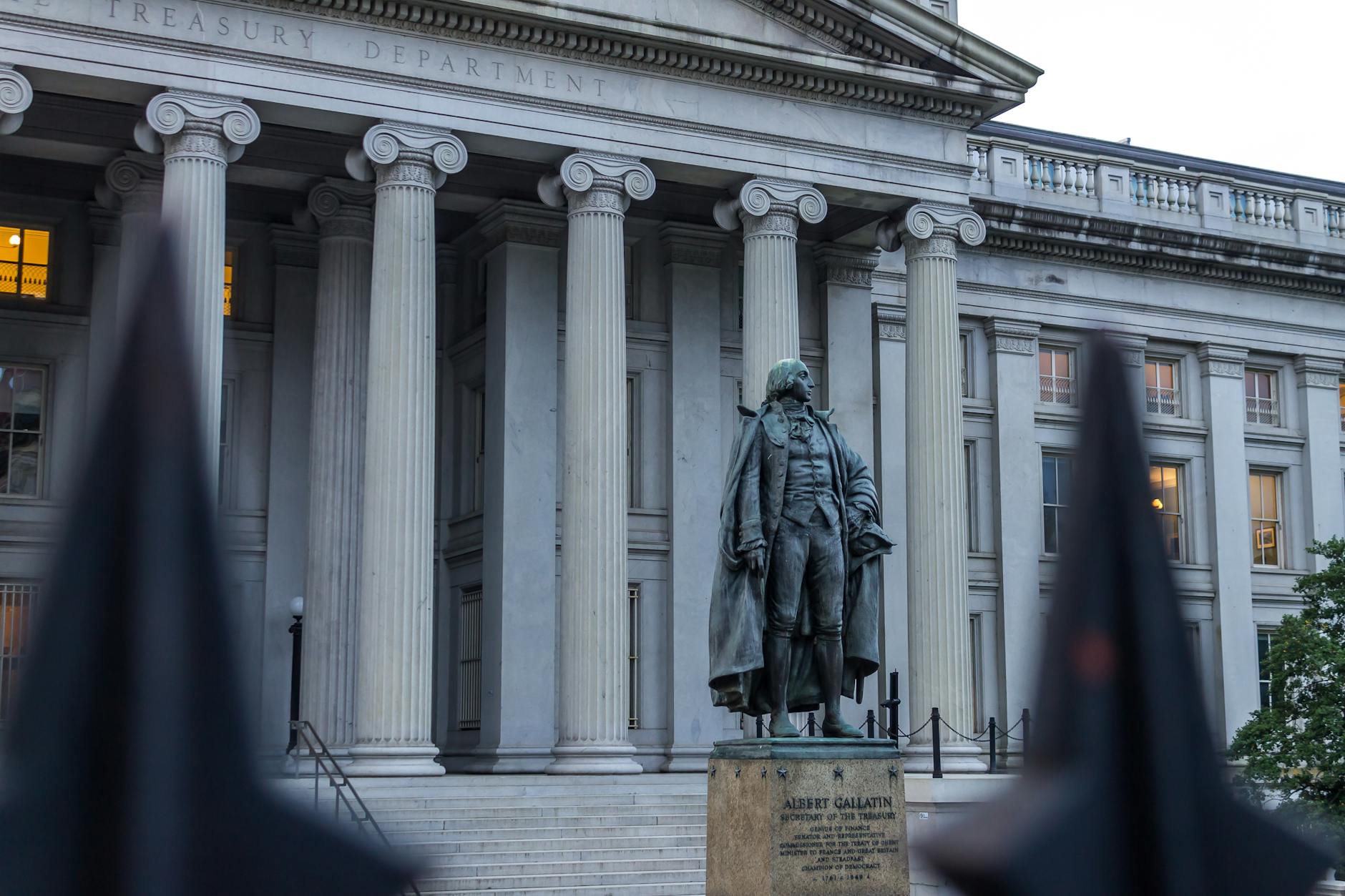
The U.S. Treasury Department released a draft proposal on Wednesday detailing the anti-money laundering (AML) and sanctions compliance programs that stablecoin issuers must establish under the GENIUS Act. This move aims to implement the federal regulatory framework passed last year, formally bringing stablecoin issuers under the oversight of the Treasury’s Financial Crimes Enforcement Network (FinCEN) and the Office of Foreign Assets Control (OFAC).
Under the proposal, stablecoin issuers will be classified as "financial institutions" under the Bank Secrecy Act. This requires these firms to assist the government in identifying and preventing financial crimes. Specific mandates include the establishment of AML programs, the filing of suspicious activity reports, and the implementation of robust sanctions compliance procedures.
Furthermore, the draft explicitly requires stablecoin issuers to ensure their technical infrastructure allows for the freezing, rejection, or blocking of transactions in the event of regulatory violations. Issuers are also required to comply with lawful directives issued by government authorities.
Balancing Compliance and Innovation
U.S. Treasury Secretary Scott Bessent stated that the proposal seeks to strike a balance between protecting American citizens and fostering financial innovation. "President Trump is strengthening America’s leadership in digital financial technology," Bessent noted. "This proposal will protect the U.S. financial system from national security threats without hindering the ability of American firms to grow within the payment stablecoin ecosystem."
Regarding staffing, the new rules require issuers to appoint a dedicated officer responsible for overseeing AML and counter-terrorism financing systems. The draft specifies that this individual must be based within the United States and must have no criminal record related to insider trading, cybercrime, or financial fraud.
Despite the tightening of regulations, the draft offers some flexibility. FinCEN stated that if an issuer has already established and implemented adequate compliance procedures, regulators "generally will not take enforcement action." The proposal is now open for a 60-day public comment period.
This proposal marks the latest step in implementing the GENIUS Act, following separate regulatory guidance recently issued by the Federal Deposit Insurance Corporation (FDIC) and the Office of the Comptroller of the Currency (OCC). Warren Kornfeld, a senior vice president at Moody’s Ratings’ Financial Institutions Group, noted that the FDIC’s proposal extends beyond stablecoins to include tokenized deposits in the banking sector. He suggested that if these policies are fully implemented, they could establish a digital cash ecosystem built on risk-based oversight and regulatory transparency.