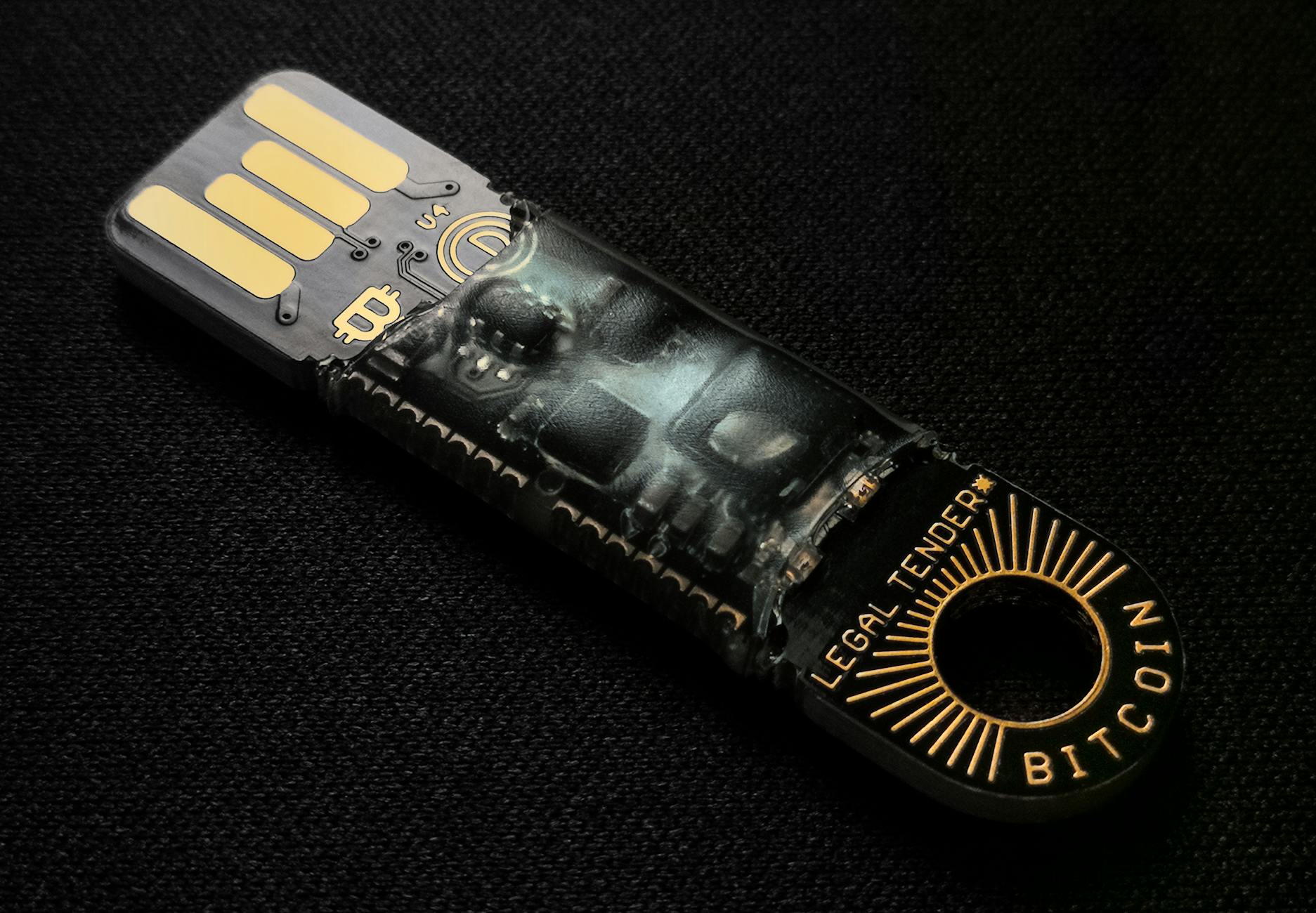
On April 8, Lightning Labs CTO Olaoluwa “Roasbeef” Osuntokun introduced a prototype tool via the Bitcoin-dev mailing list. The tool addresses a critical side effect of potential quantum computing threats to the Bitcoin network: if the network is forced to activate emergency defensive measures to protect assets, many ordinary users could face the risk of having their wallets permanently locked.
Currently, the cryptographic algorithms Bitcoin relies on are theoretically vulnerable to high-performance quantum computers. If such technology were to emerge, public data on the blockchain could potentially be reverse-engineered to derive private keys, leading to theft. To mitigate this, the community has proposed various solutions, including BIP-360, which advises users to migrate to quantum-resistant wallets in advance.
A Contingency for the 'Emergency Brake'
However, the migration process is time-consuming and unlikely to reach every user. Consequently, developers have discussed a more aggressive measure: the 'emergency brake.' If triggered, this mechanism would disable existing digital signature systems across the entire network to prevent hackers from using quantum computing to forge transactions. While this would effectively block attacks—much like cutting the power to a lock after realizing a key has been duplicated—it could also prevent legitimate users who haven't migrated in time from moving their funds.
Osuntokun’s prototype acts as an 'escape hatch.' It allows users with modern wallets, such as those utilizing Taproot, to prove ownership of their seed phrases without exposing them. In the extreme scenario where traditional digital signatures are disabled, this mechanism provides a backup path for users to recover their funds.
In the documentation, Osuntokun details the logic behind the tool, aiming to fill a long-standing gap in Bitcoin’s quantum defense strategy. While the prototype is functional, its path to deployment remains unclear. The Bitcoin development community remains divided on the urgency of the quantum threat, meaning this technology still has a long way to go before it could be formally integrated into the Bitcoin core protocol.