JPMorgan analysts noted in a recent report that capital inflows into the crypto asset market saw a sharp contraction in the first quarter of 2026. Data shows that total industry-wide digital asset inflows for the quarter hit roughly $11 billion, representing an annualized rate of $44 billion—a far cry from the record-breaking $1300 billion seen in 2025.
The study was led by JPMorgan Managing Director Nikolaos Panigirtzoglou. The analysts arrived at these estimates by aggregating data from crypto fund flows, Chicago Mercantile Exchange (CME) futures positioning, venture capital (VC) funding, and corporate treasury purchases.
Weakening Demand from Institutions and Retail
The report indicates that Q1 inflows were primarily driven by corporate Bitcoin purchases—exemplified by firms like MicroStrategy—and venture capital, rather than direct allocations from traditional retail or institutional investors. In contrast, positioning in the CME futures market weakened significantly during the first quarter, suggesting that institutional demand for futures-based crypto products has turned negative.
Analysts pointed out that spot Bitcoin and Ethereum ETFs saw lackluster performance throughout the quarter. While Bitcoin ETFs did record minor net inflows in March, these were largely offset by the selling pressure seen in January. Furthermore, while corporate treasury buying has been a key market pillar, it remains highly uneven. Beyond a handful of companies continuing to increase their holdings, some smaller firms have opted to sell off assets to fund stock buybacks or improve liquidity.
Regarding the strategy employed by MicroStrategy, the report notes: "The company's Bitcoin purchases in the first quarter were primarily funded through the issuance of new equity. Management has stated that they intend to continue utilizing a mix of common and perpetual preferred stock to support ongoing Bitcoin accumulation."
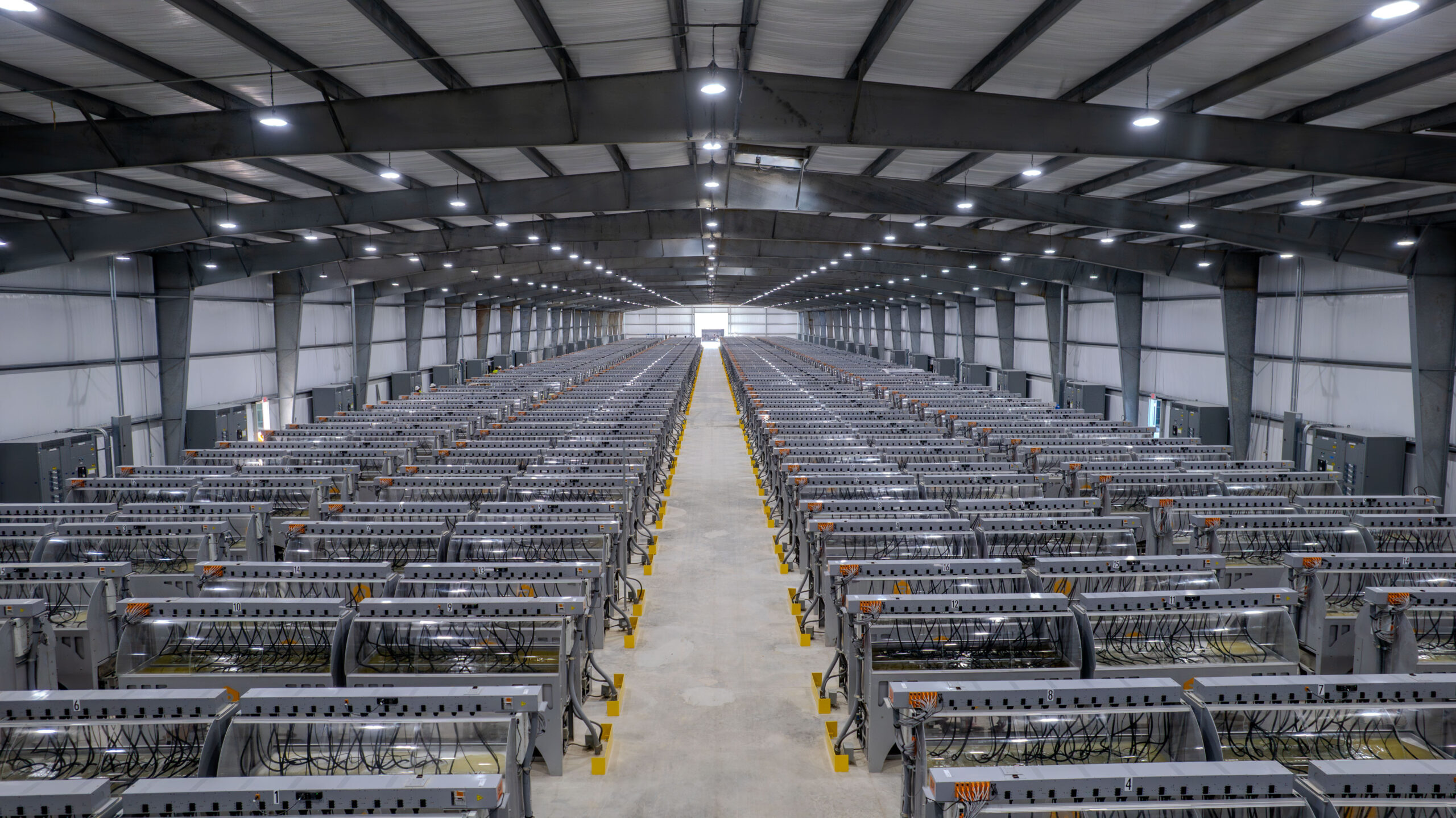
Meanwhile, crypto mining firms emerged as net sellers in the first quarter. Analysts believe that some publicly traded miners have been forced to sell their Bitcoin holdings or use them as collateral to improve cash flow, cover capital expenditures, or manage debt. In the current market environment, this trend has further intensified supply-side pressure.