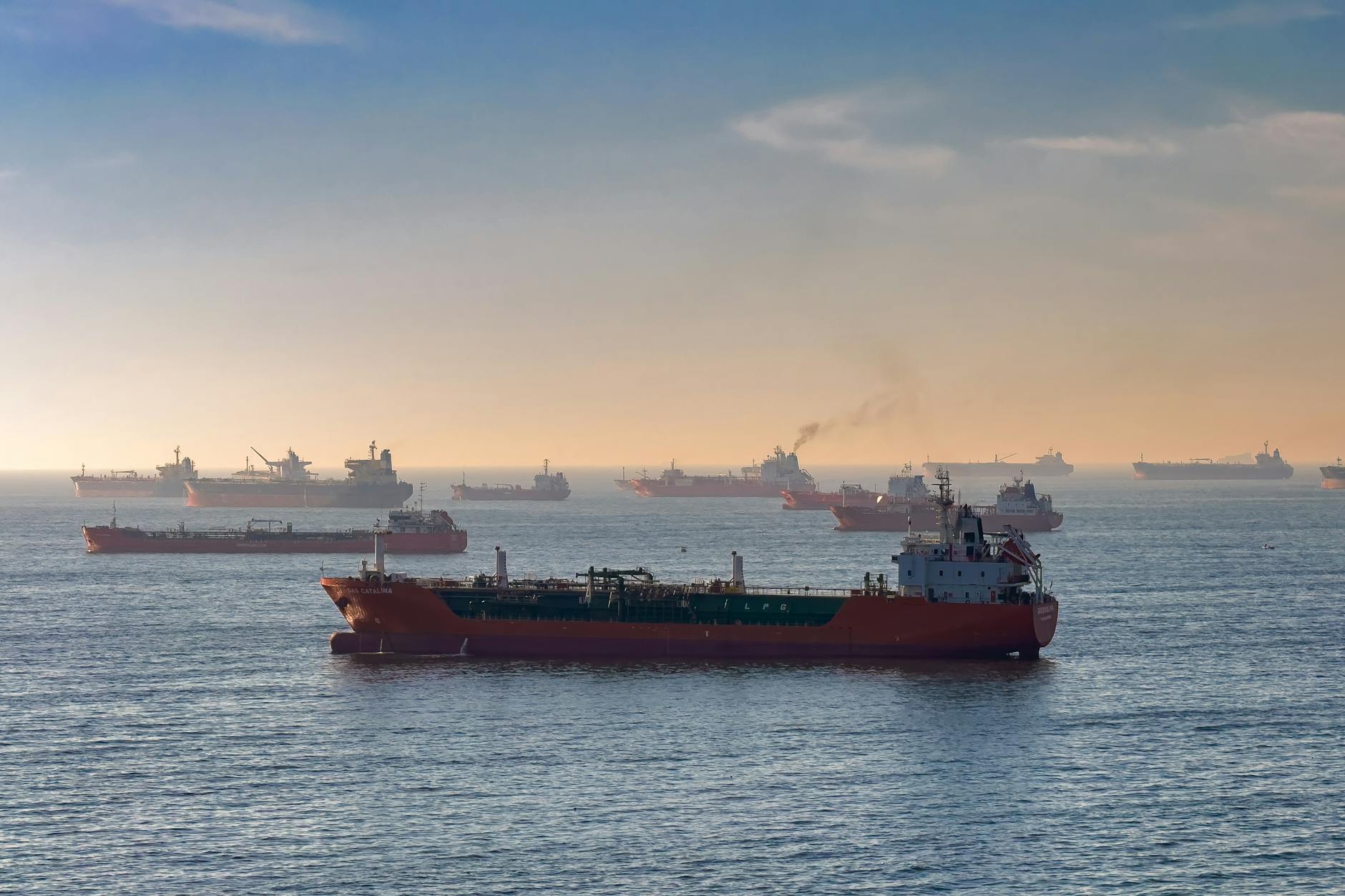
The Iranian government has officially integrated cryptocurrency into its maritime toll system, allowing oil tankers passing through the Strait of Hormuz to pay transit fees in Bitcoin. This move marks a further shift toward decentralized financial tools as the country strengthens its trade networks to circumvent international sanctions.
According to a spokesperson for the Iranian Oil, Gas, and Petrochemical Products Exporters Union, Bitcoin has been designated as a legitimate payment method. Market reports had previously indicated that some tankers were already using USD-pegged stablecoins to secure safe passage. The transit fee is reportedly set at $1 per barrel of crude oil, with large tankers capable of carrying up to 2 million barrels.
A New Path to Circumventing Sanctions
The Strait of Hormuz handles approximately one-fifth of the world's crude oil and liquefied natural gas shipments. Data from blockchain analytics firm Chainalysis shows that in recent years, the Iranian regime and the Islamic Revolutionary Guard Corps (IRGC) have increasingly used cryptocurrency for cross-border trade, primarily focused on oil sales.
Andrew Fierman, head of national security intelligence at Chainalysis, noted that using cryptocurrency to process such transit fees is not surprising, stating, "This is entirely consistent with Tehran’s existing logic for sanctions-evasion trade."
Monitoring data from the past 18 months has revealed a complex network of cryptocurrency wallets. Analysis indicates that Iran is leveraging these technological tools to deeply integrate crypto payments with traditional crude oil export logistics, effectively bypassing the conventional international financial settlement system.
Meanwhile, the Iranian-backed Houthi rebels in Yemen have also been active in the Red Sea and have drawn scrutiny for using cryptocurrency to facilitate oil trading. Observers point out that as payment methods become increasingly digitized, the complexity of the associated geopolitical maneuvering continues to intensify.