Gnosis and Zisk announced the Ethereum Economic Zone (EEZ) at the EthCC conference in Cannes on Sunday. The initiative introduces a comprehensive framework designed to enable synchronous composability between Ethereum mainnet and various rollups. Co-funding from the Ethereum Foundation signals institutional backing for this ambitious integration strategy. The project aims to resolve long-standing issues regarding liquidity fragmentation across Layer 2 networks. The collaboration represents a significant step toward unifying the fragmented Layer 2 ecosystem.
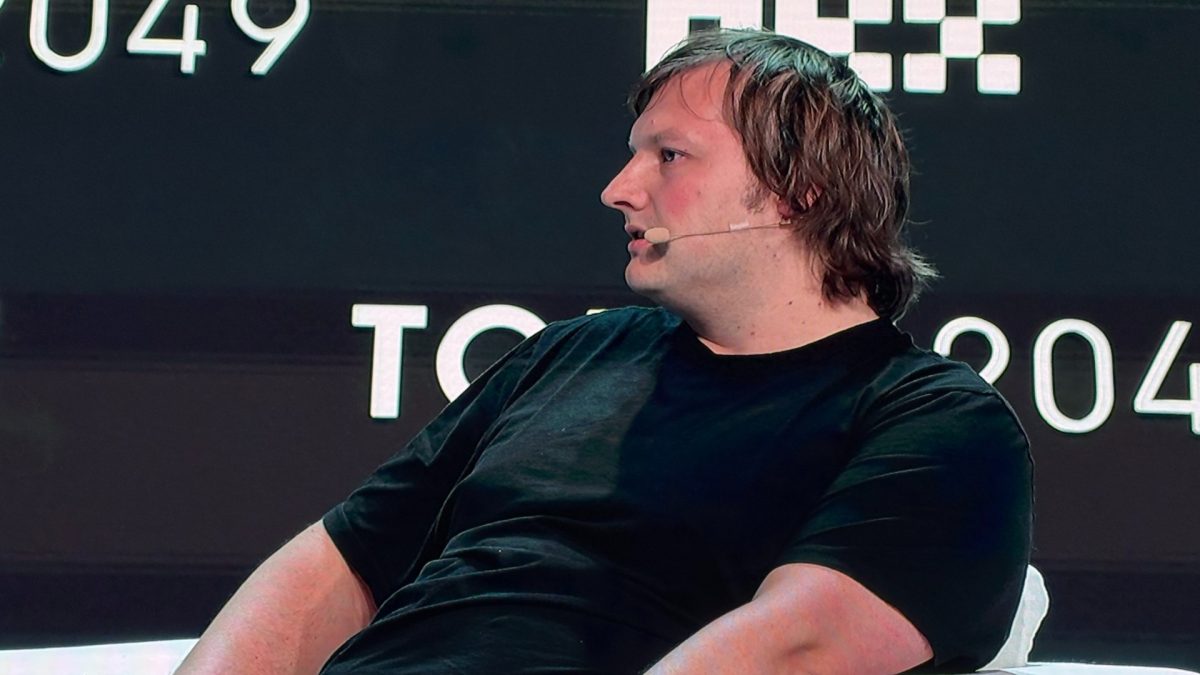
Friederike Ernst, co-founder of Gnosis, stated that Ethereum faces a critical fragmentation issue rather than a fundamental scaling problem. She argued that every new Layer 2 that launches with its own liquidity pool and bridge creates another walled garden for users. The new system allows smart contracts on connected rollups to interact with mainnet contracts without additional bridging infrastructure. ETH serves as the default gas token throughout the entire ecosystem to simplify user transactions and reduce complexity. This structural change is vital for maintaining a cohesive user experience across different networks.
Technical Architecture and Proving
Jordi Baylina, founder of Zisk, highlighted the technical breakthrough driving the new framework. He noted that the team spent two years building a ZKVM capable of proving Ethereum blocks in real time. This capability makes synchronous composability between rollups a reality instead of a theoretical concept for developers. The architecture requires no additional bridging infrastructure to facilitate cross-chain communication securely. This architectural choice removes the need for trust assumptions found in traditional bridging mechanisms, reducing risk.
"Ethereum doesn't have a scaling problem. It has a fragmentation problem," Ernst said in a statement.
The project launches alongside the EEZ Alliance, which includes founding members like Aave and Centrifuge. Analysts previously reported that new Ethereum L2 chains appeared roughly every 19 days, creating fragmented liquidity pools. Most new L2s became inactive shortly after incentive cycles ended, leaving behind ghost towns. This initiative seeks to consolidate activity around a unified economic zone rather than isolated chains. The alliance represents a significant coalition of DeFi protocols ready to adopt the new standard.
Several other projects compete to solve interoperability, including Optimism's Superchain and Polygon's AggLayer. The Ethereum Foundation also explored an Interop Layer in November 2025 to unify the L2 ecosystem. EEZ proponents argue their real-time ZK proving stack offers a distinct advantage over these alternative approaches. The distinction lies in the ability to prove blocks instantly without waiting for finality delays, unlike the =nil; Foundation's zkSharding-based approach. This real-time capability is crucial for a seamless user experience during complex multi-chain transactions.
Governance records show the community debated converting Gnosis Chain into a native L2 in February 2026. The EEZ will operate as a Swiss non-profit with software released as free and open-source for public use. The project aims for governance minimization and eventual non-upgradability to ensure long-term stability. This structure mirrors the decentralized ethos of the broader Ethereum network while maintaining operational efficiency. It ensures that the protocol remains immutable once deployed to the mainnet.
The Ethereum Foundation co-funding decision is notable given its shift to a leaner spending posture earlier in 2025. Executive directors have prioritized scaling mainnet and improving L2 interoperability within a reduced budget targeting 5% burn rate. This initiative aligns with their narrower focus on core protocol improvements and ecosystem health. The move suggests the foundation views interoperability as a critical priority for future Ethereum growth and stability. This funding validates the strategic direction of the project within the broader Ethereum ecosystem.
Future Outlook and Deployment
Technical specifications and performance benchmarks are expected in the coming weeks for the wider community. The announcement follows a six-month R&D collaboration between GnosisDAO and Baylina to explore L2 conversion. Industry observers will monitor whether the framework successfully consolidates liquidity across the network. The results will determine if this model becomes the standard for Ethereum scaling solutions. The project aims for governance minimization and eventual non-upgradability to ensure long-term stability.